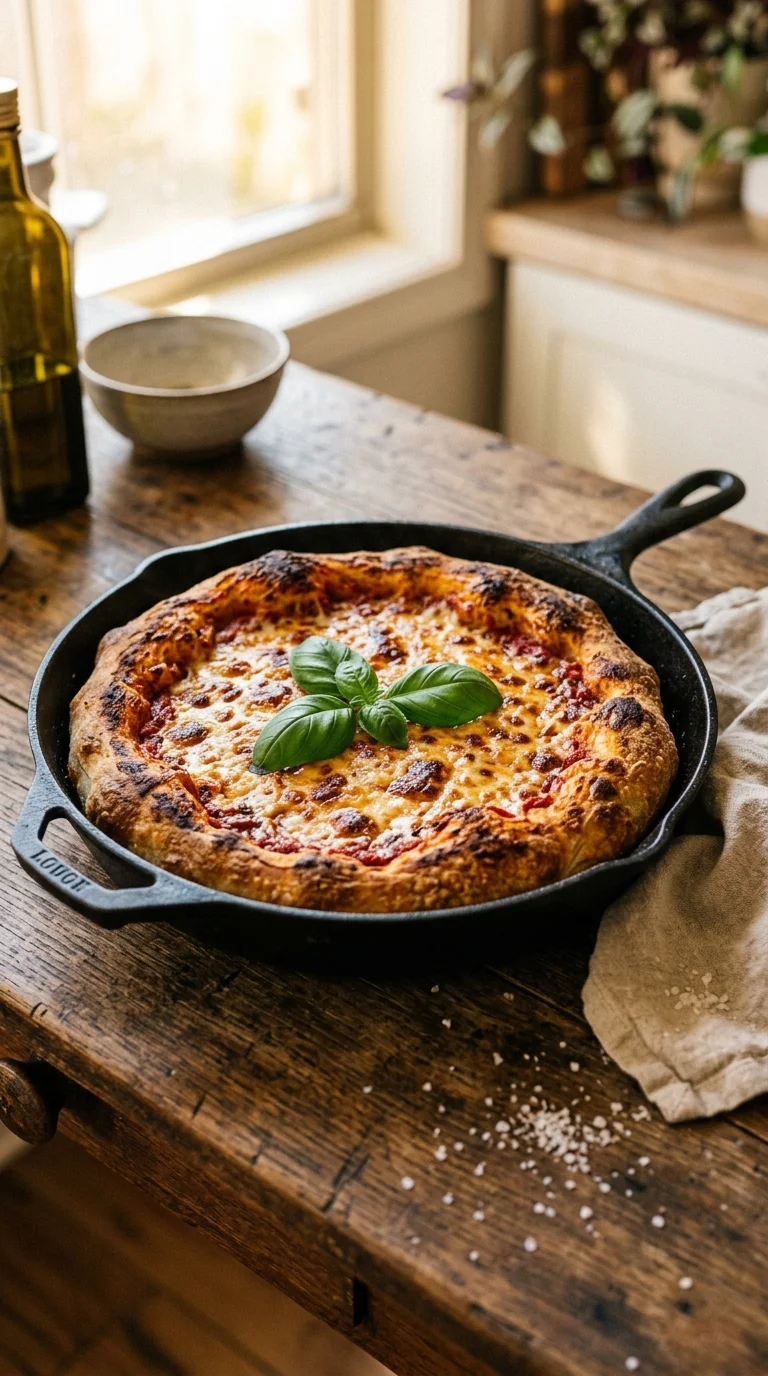
The concept of deep dish pizza is most famously tied to the heart of Chicago, where the pizza evolved from a thin crust into a hearty, pie-like meal. By utilizing a high-sided pan, the crust is able to support a generous amount of toppings, creating a dish that is as much about the bread as it is about the cheese and sauce. It was designed to be a filling, family-style feast that could sustain a worker through a long winter.
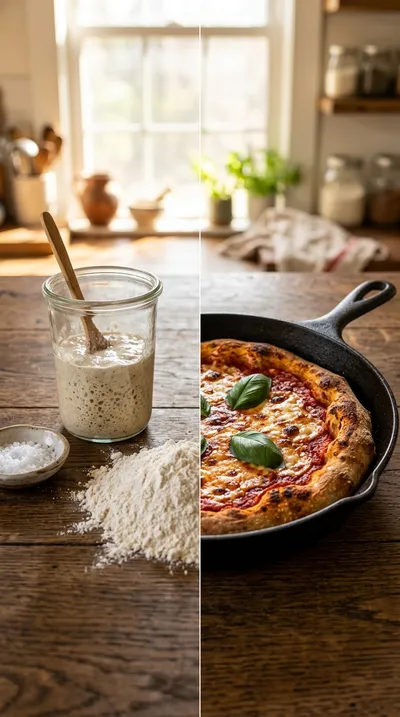
Integrating a deep dish cast iron sourdough pizza crust adds an ancient layer to this American classic. Sourdough, which relies on wild yeast and lactic acid bacteria, creates a complex flavor profile and a more digestible crumb than modern commercial breads. This marriage of the rustic, old-world fermentation and the bold, mid-century Chicago style results in a crust that is both sophisticated and deeply satisfying.
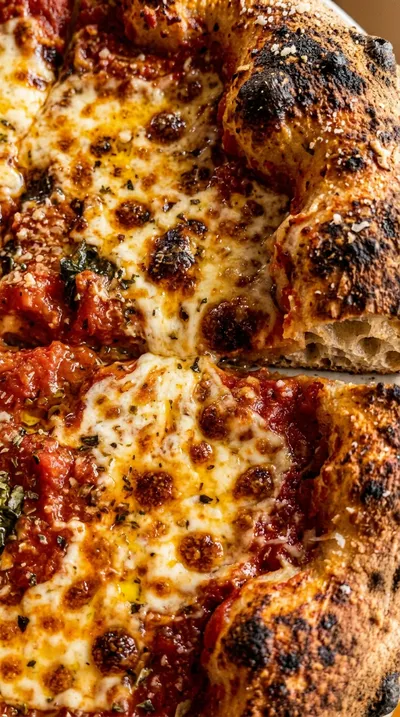
Cast iron plays a pivotal role in this tradition. The material retains an incredible amount of heat, mimicking the intense environment of a professional brick oven. As the dough hits the hot oil, it essentially fries the exterior, creating the signature blistered golden-brown edge that defines a truly great deep dish pizza.
Why You'll Love It
-
- Honestly, that contrast between the crunchy-bottom and the pillowy-inside is just something else. It reminds me of those slow Sunday afternoons where the whole house smells like warm bread.
-
- I love that we aren't using any commercial yeast here. Just that tangy, soulful flavor from the 1 cup (200 g) active sourdough starter that makes the crust feel so much more grounded.
-
- Using a cast-iron skillet is just a game changer, wow. It gives you that beautiful, blistered edge that you usually only find at a fancy pizzeria.
-
- It's a bit of a project, yeah, but seeing the 1/2 cup (120 mL) tomato sauce bubble up around the edges makes every minute of waiting completely worth it.
"I've tried many crusts, but this one is just different. That tangy sourdough flavor is exactly what I was missing!"
Essential Ingredient Guide
- 1 cup (200 g) active sourdough starter, 100% hydration: This is the heart and soul of the crust. Make sure it's bubbly and happy before you start, or the dough won't have that lovely lift we're looking for.
- 3 cups (360 g) bread flour, plus extra for dusting: I always reach for bread flour here because it has more strength. It gives the crust that satisfying chew, so it doesn't just collapse under the toppings.
- Optional toppings: sliced onions, bell pepper, fresh basil, chopped olives: These add such a nice pop of color and garden freshness. I remember when I first started adding sliced onions—they get so sweet and caramelized in the heat.
- 1 teaspoon (5 g) sea salt: Don't skip this, look, it's what awakens all the other flavors. A little bit of sea salt goes a long way in balancing that sourdough tang.
- 1 tablespoon (15 mL) extra-virgin olive oil: This adds a gentle richness and helps the dough slide right into the pan. It makes the crust feel a bit more luxurious, I mean, who doesn't love a bit of olive oil?
- 2 tablespoons (30 g) shredded mozzarella cheese: Just a small amount here to get that classic, gooey pull. It creates a lovely little golden layer that holds the sauce in place.
Complete Cooking Process
-
Getting Ready:
Start by whisking your bread flour and salt, then mixing your starter, cold water, and olive oil until smooth. It's all about getting those basics right before they meet in the bowl.
-
Developing Flavor:
The real magic happens during that 90-minute bulk rise. That's when the sourdough does its slow dance, deepening the tang and creating those lovely air pockets.
-
Perfecting the Texture:
Kneading for 5-7 minutes is key for that elastic feel. Then, hitting that preheated 12-inch cast-iron skillet creates a sizzle that guarantees a crisp, golden bottom.
-
The Final Touch:
Spread your tomato sauce thinly and add your favorite toppings. A final sprinkle of cheese right before it hits the oven makes everything look just inviting.
-
The Big Reveal:
Once it's golden brown, let it rest for about 5 minutes. I know it's hard to wait, but it lets the crust set so you get those perfect, clean slices.
-
Let the dough rest for 30 minutes after the bulk rise to relax the gluten—it makes shaping so much easier.
-
Make sure your cast-iron skillet is very hot before adding the dough to get that signature blistered crust.
-
For a chewier bite, try folding the dough over itself 2-3 times after the first rise instead of just shaping it.
-
Use thick gloves when removing the skillet from the oven; that iron holds onto heat for a long time!
Pro Tips
Just take your time with it, and your kitchen will smell like a little slice of heaven.


Better For You Treats
Sourdough is just so much kinder to the tummy than commercial yeast. The fermentation helps break down the gluten, making it a bit easier to digest and lowering the glycemic index, which is just a nice little bonus.
Ways to Make it Your Own
If you're feeling adventurous, try replacing 1½ cups of bread flour with whole-wheat flour for a nuttier taste. Or, stir in some minced garlic and fresh oregano into the wet ingredients for a little extra zing.
Serving Suggestions
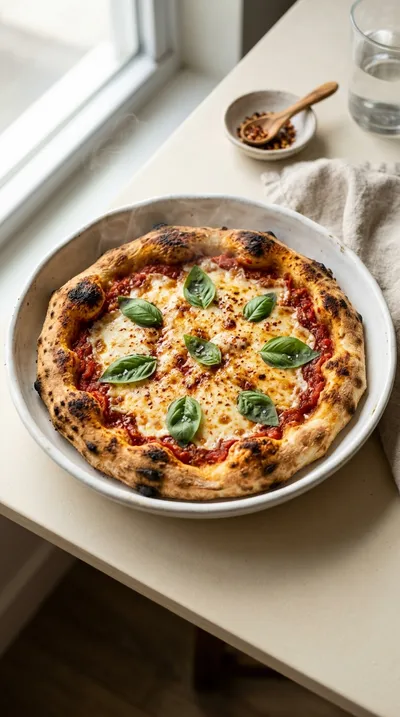
I love to garnish mine with fresh basil leaves and a little drizzle of extra-virgin olive oil. It's lovely served alongside a crisp green salad with lemon vinaigrette to cut through the richness.
Frequently Asked Questions
→ What if my dough is too sticky to knead?
Oops, that happens! Just dust your hands and the surface with a bit more bread flour, and it'll come together in no time.
→ Can I use a different pan if I don't have cast iron?
You can, but honestly, you'll miss out on that specific crunch. A heavy baking sheet works, but the cast iron is what gives it that deep-dish soul.
→ How do I know if my sourdough starter is ready to use?
It should be bubbly and have doubled in size after its last feeding. If it looks active and smells slightly tangy, you're good to go.
Nutrition Facts
per serving
420
Calories
18g
Protein
52g
Carbs
14g
Fat
Taste Profile
A comforting blend of tangy sourdough and rich, savory cheese.
Ingredient Substitutions
Don't have an ingredient? Try these alternatives
The crust will be slightly softer and less chewy.
Adds a saltier, sharper tang to the finish.
Recipe Variations
Try these delicious twists on the original
Whole-Wheat Sourdough Deep Dish
Replace 1½ cups of bread flour with whole-wheat flour and add 1 teaspoon of dried rosemary for a nuttier, herbaceous crust.
Herbed Garlic Sourdough
Stir in 1 tablespoon of minced garlic and 2 teaspoons of chopped fresh oregano into the wet ingredients; finish with crushed red pepper flakes for a kick.
Common Mistakes to Avoid
Learn from others' mistakes for perfect results
- Putting dough into a cold skillet, which leads to a pale, soft bottom.
- Skipping the 5-minute rest, which can make the cheese slide off.
- Over-kneading the dough after the bulk rise, which makes it tough.
Meal Prep & Storage
Make Ahead Tips
You can let the dough bulk rise in the fridge overnight for a deeper flavor, then bring it to room temperature before shaping.
Leftover Ideas
Store in an airtight container with parchment. Reheat in the oven at 350°F (180°C) until the crust is crisp again.
Perfect Pairings
Serve this with...
Cooking Timeline
Mix dry and wet ingredients to form a shaggy dough
Knead the dough until smooth and elastic
Bulk rise at room temperature until doubled
Preheat skillet and shape dough
Top and bake until golden brown
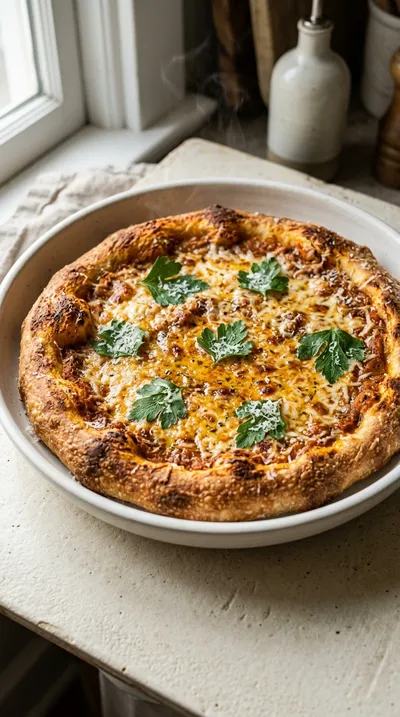
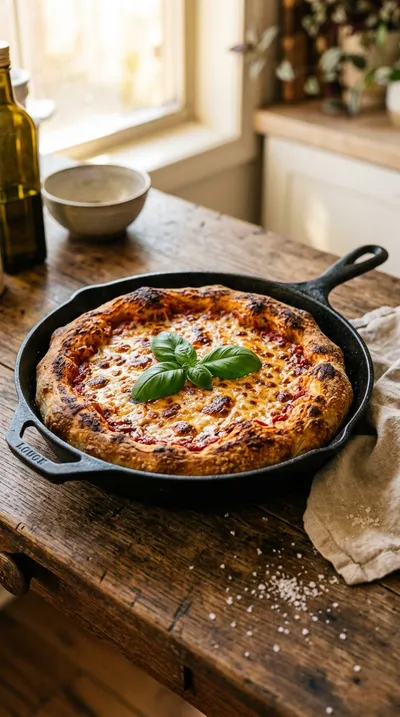
Deep Dish Cast Iron Sourdough Pizza Crust
There is something so comforting about a deep dish cast iron sourdough pizza crust that bubbles up in the oven. It has that wonderful, tangy sourdough flavor with a golden, crunchy bottom and a heart that stays soft and pillowy.
Timing
Prep Time
60 Minutes
Cook Time
15 Minutes
Total Time
75 Minutes
Recipe Details
Ingredients
The Dough
-
01
1 cup (200 g) active sourdough starter, 100% hydration
-
02
3 cups (360 g) bread flour, plus extra for dusting
-
03
1 teaspoon (5 g) sea salt
-
04
1 tablespoon (15 mL) extra-virgin olive oil
-
05
3/4 cup (180 mL) cold filtered water
The Toppings
-
01
2 tablespoons (30 g) shredded mozzarella cheese
-
02
1/2 cup (120 mL) tomato sauce, thinly spread
-
03
Optional toppings: sliced onions, bell pepper, fresh basil, chopped olives
Instructions
Start by grabbing your large mixing bowl and whisking together the bread flour and sea salt. Just make sure they're evenly distributed, nothing too fancy here.
In a separate little bowl, stir your active sourdough starter, cold filtered water, and extra-virgin olive oil. Stir it until it's all smooth and looking right.
Now, make a little well in the center of your flour mixture and pour in those wet ingredients. Honestly, just use a wooden spoon and stir until a shaggy dough forms—it'll look a bit messy at first, and that's okay.
Move the dough over to a lightly floured work surface. Now comes the work; knead it for about 5–7 minutes. You're looking for it to become smooth and elastic under your hands.
Shape your dough into a nice ball and pop it into a greased bowl. Cover it with plastic wrap and let it bulk rise at room temperature (70°F/21°C) for about 90 minutes. Well, just wait until it's roughly doubled in size.
Once it's risen, gently deflate the dough—don't be too rough—and shape it into a 12-inch circle. It needs to fit snugly in your 12-inch cast-iron skillet.
Grease the inside of your 12-inch cast-iron skillet with a thin layer of olive oil. Slide it into the preheated oven at 500°F (260°C) for 15 minutes. Wow, it'll get really hot, which is exactly what we want for that blistered surface.
While that pan is heating, roll out your dough on a floured surface or a plastic sheet. Carefully lay the parchment-lined dough into the screaming hot skillet and slide that parchment out. Just be careful, it's hot!
Spread a thin layer of your favorite tomato sauce over the dough. Add whatever toppings you're in the mood for, and finish it off with a sprinkle of shredded mozzarella cheese.
Bake for 12–15 minutes until the crust is crisp and the bottom is a beautiful golden brown. Use thick gloved hands to get the skillet out, let it rest for 5 minutes—patience is key here—then slice and serve.
Notes & Tips
-
1
The sourdough fermentation makes the gluten a bit easier to digest and lowers the glycemic index.
-
2
Make sure the skillet is truly hot before adding the dough to prevent sticking.
-
3
Lactic acid bacteria from the starter adds a lovely depth of flavor you just can't get with commercial yeast.

Tools You'll Need
-
Large mixing bowl for combining ingredients
-
Wooden spoon or dough whisk for stirring
-
Dough scraper or flat spatula for handling the dough
-
Lightly floured work surface for kneading
-
12-inch cast-iron skillet for the deep dish bake
-
Oven for high-heat baking
-
Measuring cups and spoons for accuracy
-
Plastic wrap or towel for covering the rise
-
Tape or parchment paper for easy transfer
-
Gloves for handling the hot skillet safely
Must-Know Tips
-
Rest the dough, Let it sit for 30 minutes after the bulk rise to relax the gluten.
-
Preheat the skillet, A very hot pan creates that professional blistered crust.
-
Fold for chew, If you like it chewier, fold the dough over itself 2-3 times after the rise.
Professional Secrets
-
The 'shaggy mass' stage is essential; don't overwork it before the kneading phase.
-
Using cold filtered water helps control the fermentation speed of the sourdough.
-
The 5-minute rest after baking allows the crust to set so it doesn't get soggy when sliced.
What readers are saying
Community reviews from home cooks like you
Can't believe how simple this was. I really liked how the 1 cup (200 g) active sourdough starter, 100% hydration and 3 cups (360 g) bread flour, plus extra for dusting came together. Highly recommend giving it a try.
I was surprised how good this turned out. I really liked how the 1 cup (200 g) active sourdough starter, 100% hydration and 3 cups (360 g) bread flour, plus extra for dusting came together. Saving this for later.
Absolutely loved this recipe! I really liked how the 1 cup (200 g) active sourdough starter, 100% hydration and 3 cups (360 g) bread flour, plus extra for dusting came together. Highly recommend giving it a try.
My new favorite way to make Deep Dish Cast Iron Sourdough Pizza Crust. I really liked how the 1 cup (200 g) active sourdough starter, 100% hydration and 3 cups (360 g) bread flour, plus extra for dusting came together. My oven needed an extra 5 minutes. Already shared it with a friend.
This exceeded my expectations. I really liked how the 1 cup (200 g) active sourdough starter, 100% hydration and 3 cups (360 g) bread flour, plus extra for dusting came together. Will be making this regularly.
The flavors were spot on. I really liked how the 1 cup (200 g) active sourdough starter, 100% hydration and 3 cups (360 g) bread flour, plus extra for dusting came together. My kids even asked for seconds.
This exceeded my expectations. I really liked how the 1 cup (200 g) active sourdough starter, 100% hydration and 3 cups (360 g) bread flour, plus extra for dusting came together. I added a bit more seasoning next time. My kids even asked for seconds.
The flavors were spot on. I really liked how the 1 cup (200 g) active sourdough starter, 100% hydration and 3 cups (360 g) bread flour, plus extra for dusting came together. My kids even asked for seconds.
Will definitely make this again. I really liked how the 1 cup (200 g) active sourdough starter, 100% hydration and 3 cups (360 g) bread flour, plus extra for dusting came together. My kids even asked for seconds.
Good, but not amazing. The hydration flavor was nice, but i added a bit more seasoning next time. I might try it again with some adjustments.
Good, but not amazing. The hydration flavor was nice, but it took slightly longer than the recipe said. I might try it again with some adjustments.
This exceeded my expectations. I really liked how the 1 cup (200 g) active sourdough starter, 100% hydration and 3 cups (360 g) bread flour, plus extra for dusting came together. Great addition to my recipe rotation.
I wanted to love this dish, but it didn't quite work for me. My oven needed an extra 5 minutes. I think with some tweaks it could be really good.
My new favorite way to make Deep Dish Cast Iron Sourdough Pizza Crust. I really liked how the 1 cup (200 g) active sourdough starter, 100% hydration and 3 cups (360 g) bread flour, plus extra for dusting came together. Perfect as written.
Absolutely loved this recipe! I really liked how the 1 cup (200 g) active sourdough starter, 100% hydration and 3 cups (360 g) bread flour, plus extra for dusting came together. I would reduce the salt a little. My kids even asked for seconds.
Absolutely loved this recipe! I really liked how the 1 cup (200 g) active sourdough starter, 100% hydration and 3 cups (360 g) bread flour, plus extra for dusting came together. The texture was a touch off, but the flavor saved it. Highly recommend giving it a try.
Nice base recipe. The hydration flavor was nice, but i swapped one ingredient and it still worked. I might try it again with some adjustments.
Perfect for a busy weeknight. I really liked how the 1 cup (200 g) active sourdough starter, 100% hydration and 3 cups (360 g) bread flour, plus extra for dusting came together. Perfect as written.

Recipe by
Sofia RiveraExploring the world through food 🌍🍲 Rich flavors, exciting dishes, and endless culinary inspiration ✨
Get Delicious Recipes Weekly
Join 25,000+ home cooks getting our best recipes straight to their inbox.
Free forever • No spam • Unsubscribe anytime