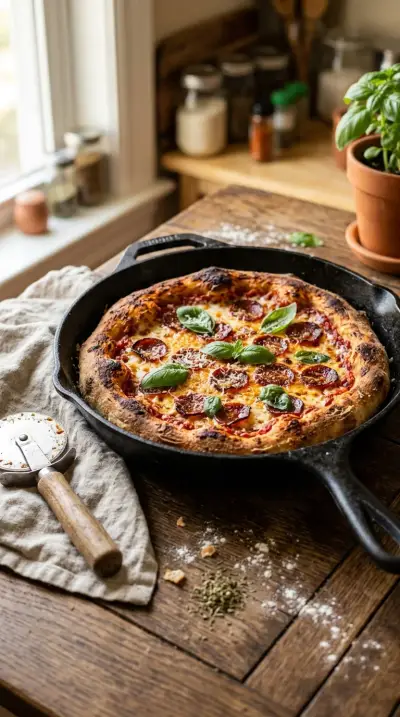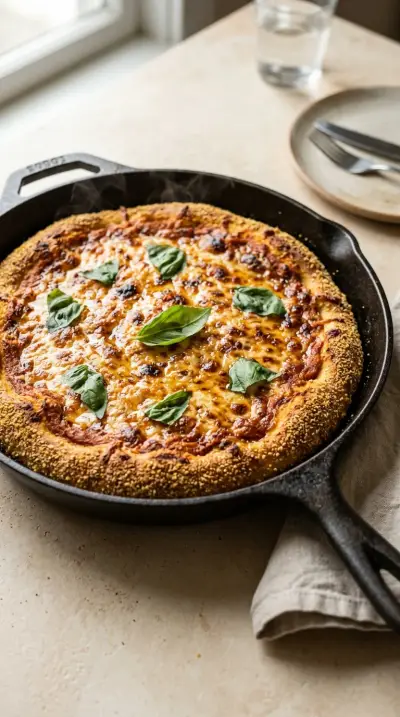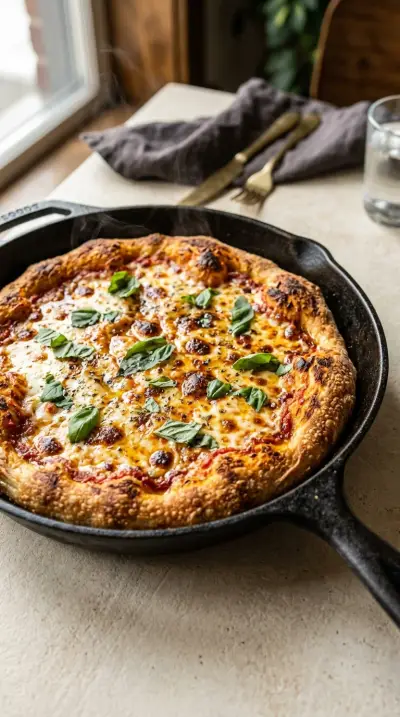
I remember when I first started keeping a starter... honestly, it felt like having a little pet in the kitchen. But for the longest time, I didn't know what to do with the extras, so I'd just toss them. Then I discovered this sourdough discard pizza dough, and well, everything changed. There's something so grounding about the feel of the dough under your palms, that slow stretch and pull as it becomes smooth and springy.
So, look, you don't need a professional oven to get those beautiful, toasted edges. Just a bit of patience and a hot stone. I love the smell of the 1 cup inactive sourdough discard and 2 tsp instant dry yeast waking up in the warm water—it's a scent that just says "everything is going to be okay" in my house.
Yeah, it's a medium-effort bake, but it's worth every minute. I mean, who doesn't love a kitchen that smells like toasted whole wheat flour and melted cheese? It's just... lovely.
The story behind it
The art of using "discard" is a nod to the ancestral kitchens of Europe, where nothing was ever truly wasted. While traditional sourdough takes days of patience, the marriage of inactive starter and instant yeast allows for a more immediate gratification without sacrificing that signature depth of flavor. It is a bridge between the slow living of the past and the busy pace of today.
Pizza itself evolved from the simple flatbreads of the Mediterranean, but the addition of sourdough discard pizza dough adds a layer of complexity. The fermentation process, even in discard, helps break down the gluten, making the crust easier on the stomach and richer in taste. It's a culinary cycle of renewal.
Using a combination of whole wheat flour and bread flour provides a structural integrity that supports heavy toppings while maintaining a rustic, earthy profile. This approach reflects the village-style baking of old Naples, where the quality of the grain was the star of the show. It is a timeless way to bring family together around a shared, steaming pie.
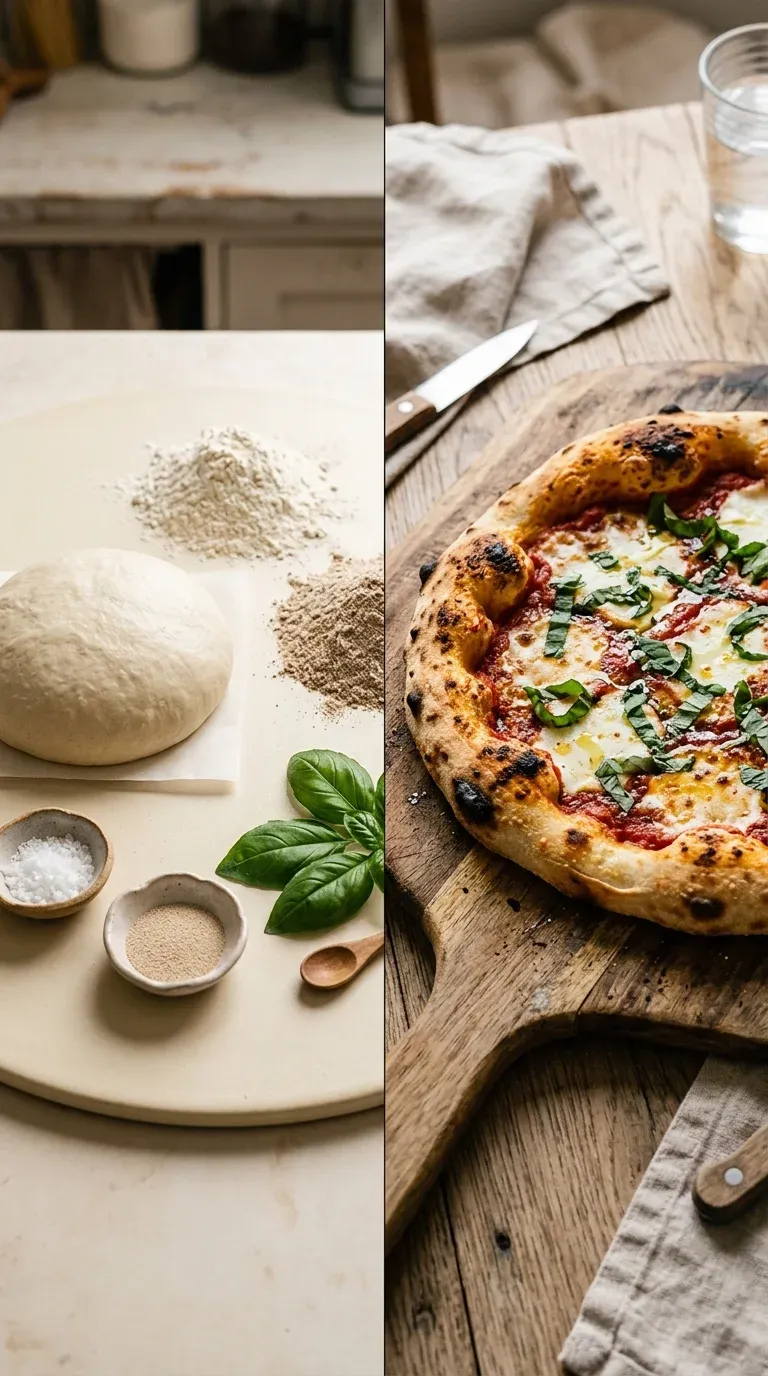
Why You'll Love It
- Honestly, using that 1 cup inactive sourdough discard is such a relief; it feels like giving a second life to something that would've just sat in the fridge.
- I just love how the 1 ¡¼ cups whole wheat flour gives it this lovely, earthy heartiness that reminds me of the breads my grandmother used to bake.
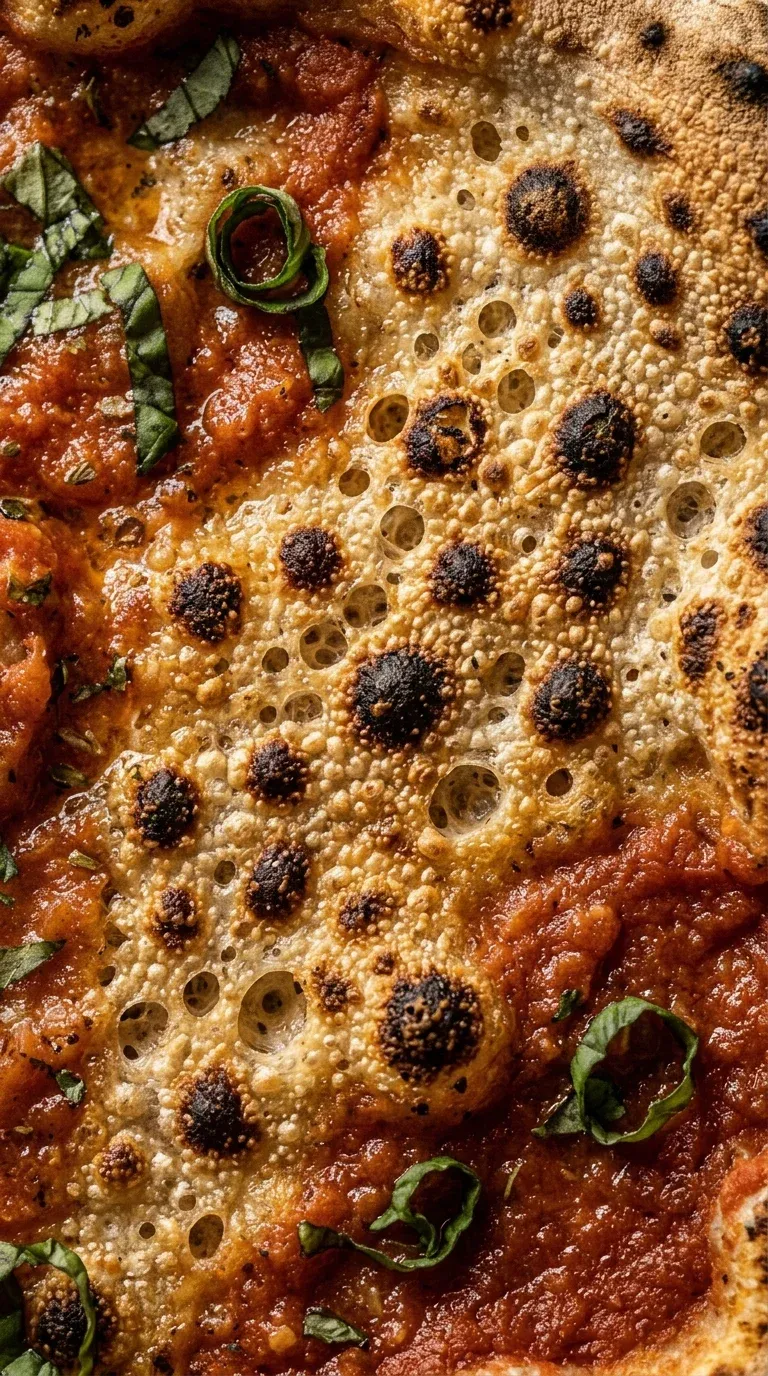
- Wow, the contrast is just wonderful, with a crust that's chewy and tender inside but has those perfectly crisp edges we all crave.
- It's just so grounding to knead the dough by hand, feeling it turn from a shaggy mess into something smooth and springy under your palms.
Tips for success
- First Rise, If you're in a rush, a pinch more instant yeast can let you skip the first rise, but the texture will be a bit tighter.
- Anti-Stick, Use parchment paper under the pizza on the stone to prevent sticking and make cleanup a breeze.
- Crispy Bottom, Gently press the dough with a bench scraper before adding toppings to improve the oven spring.
Professional secrets
- Preheat the stone for 20+ minutes to mimic a commercial pizza oven's heat retention.
- Knead for the full 10 minutes to develop the gluten for that specific chewy-yet-crispy contrast.
- Avoid a second rise to maintain the structure and keep the process moving for same-day baking.
Common mistakes to avoid
- Under-kneading the dough, which leads to a less springy crust.
- Using water that is too hot, which can kill the instant yeast.
- Putting the pizza in before the stone is fully preheated, resulting in a soggy bottom.
Substitutions
- Bread flour: All-purpose flour. It will be slightly less chewy, but still very tasty.
- Sea salt: Kosher salt. Use slightly more as kosher salt is less dense.
- Whole wheat flour: Spelt flour. Provides a similar nuttiness and heartiness.
Variations
- Rosemary-Infused Sourdough Discard Pizza Dough: Fold 2 tsp of fresh chopped rosemary into the wet mix during the early steps for a fragrant, herbal note that's just lovely with olives.
- Gluten-Free Sourdough Discard Pizza Dough: Swap the wheat flours for a 1:1 gluten-free all-purpose blend and add 1 tsp of xanthan gum to keep that chewy texture we love.
Storage
Unused dough stays fresh in a covered container at room temperature for 48 hours, or in the fridge for 3 days (just let it warm up for 30 minutes before using).
Make ahead
You can roll the dough into balls and freeze them on parchment before bagging. Just thaw overnight in the fridge and let them rise for 2 hours before you bake.
Leftovers
Store unused dough in the fridge for up to 3 days. Reheat baked pizza in the oven at 350°F to keep the crust crisp.
Serving ideas
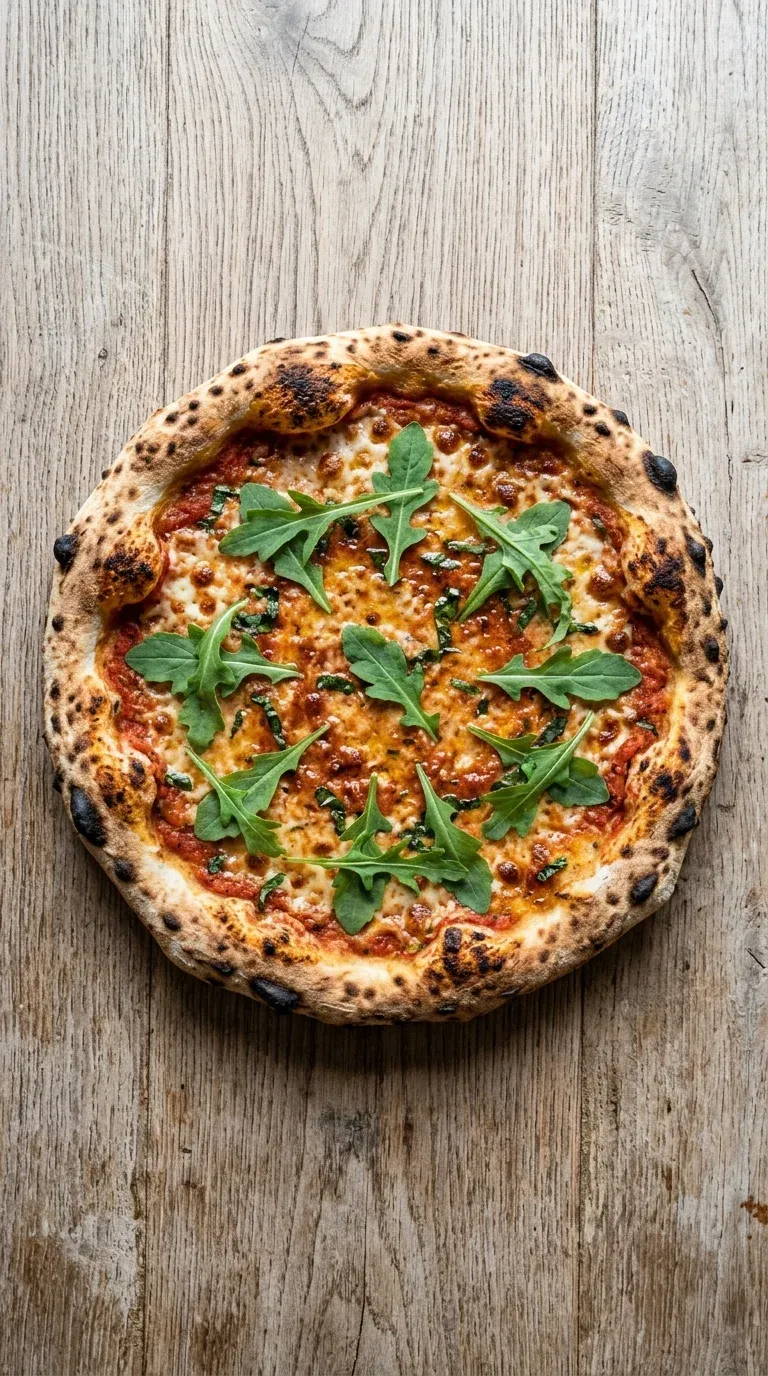
- Top with fresh mozzarella and arugula for a peppery contrast.
- Finish with a light drizzle of balsamic glaze.
- Serve alongside a zesty lemon-olive oil side salad.
- Garnish with fresh basil leaves and red chili flakes.
Allergy information
Contains wheat and gluten. Naturally vegan if plant-based toppings are used.
Sourdough Discard Pizza Dough – Chewy Crust & Crispy Edges
Turn your leftover starter into a restaurant-quality crust. This dough is easy to shape and incredibly satisfying. Perfect for a slow Friday night in.
- Prep time
- 25 min
- Cook time
- 15 min
- Total time
- 40 min
- Difficulty
- Medium
- Cuisine
- Italian
Ingredients
Dough Base
Dry Ingredients
Optional Seasoning
Instructions
- 1
In a large bowl, whisk together your warm water, sourdough discard, instant yeast, sugar, and olive oil. I love watching it turn into a light, foamy consistency; just let it sit for about 5 minutes to let that yeast wake up and proof.
- 2
Now, go ahead and add the whole wheat flour, bread flour, and salt to the wet mixture. Use a wooden spoon or a dough scraper to stir everything together until a shaggy dough forms. It'll look a bit messy at first, and that's just fine.
- 3
Transfer your dough onto a lightly floured surface. Knead it for 8-10 minutes. You're looking for it to become smooth, elastic, and really springy to the touch—it's a bit of a workout, but so worth it.
- 4
Shape the dough into a nice round ball and coat it lightly with olive oil. Place it in an oiled bowl, cover it with a damp kitchen towel or plastic wrap, and let it rise in a warm spot for 90 minutes. You'll know it's ready when it's roughly doubled in size.
- 5
Preheat your oven to 475 °F (245 °C) with a pizza stone inside. Make sure it's in there for at least 20 minutes; we need that maximum heat retention for a proper crust.
- 6
Gently punch down the dough and divide it into four equal portions (about 250 g each). Flatten each one with your palms into 12-inch circles. If you're feeling fancy, this is the moment to fold in your herbs.
- 7
Place each rounded dough on a piece of parchment paper or a pizza peel dusted with flour. Go ahead and top with your sauce and cheese. Honestly, since it's already risen, you don't need a second rise here.
- 8
Carefully slide the pizzas onto that preheated stone (or a bake sheet). Bake for 12-15 minutes. Keep an eye on them—you're looking for those golden-brown, crisp edges while the inside stays tender.
- 9
Remove them from the oven and let them cool on a wire rack for about 2 minutes. I know it's hard to wait, but it helps the crust set before you slice with a pizza cutter.
- 10
Serve immediately. I like a little drizzle of extra-virgin olive oil, some fresh basil, or maybe a dash of chili flakes if you want a bit of a kick.
Nutrition per serving
- 410 kcal
- Calories
- 14 g
- Protein
- 62 g
- Carbs
- 8 g
- Fat
Tips & notes
- The combination of whole wheat and bread flour gives a lovely earthy depth. - Using inactive starter allows for a faster bake while still keeping that signature sourdough tang. - Parchment paper is a lifesaver for those of us who struggle with the pizza peel slide.
Frequently asked questions
Can I use this dough if I don't have a pizza stone?
Oh, absolutely! A regular baking sheet works just fine, though you might not get quite the same crisp on the bottom.
What if my dough isn't doubling in size after 90 minutes?
Don't worry, it happens. Just move it to a slightly warmer spot, like near the oven, and give it another 20 minutes.
Can I freeze the dough for later?
Yes, indeed. Just roll them into balls, freeze on parchment, then bag them; just remember to thaw in the fridge overnight first.

Sofia Rivera
Exploring the world through food 🌍🍲 Rich flavors, exciting dishes, and endless culinary inspiration ✨