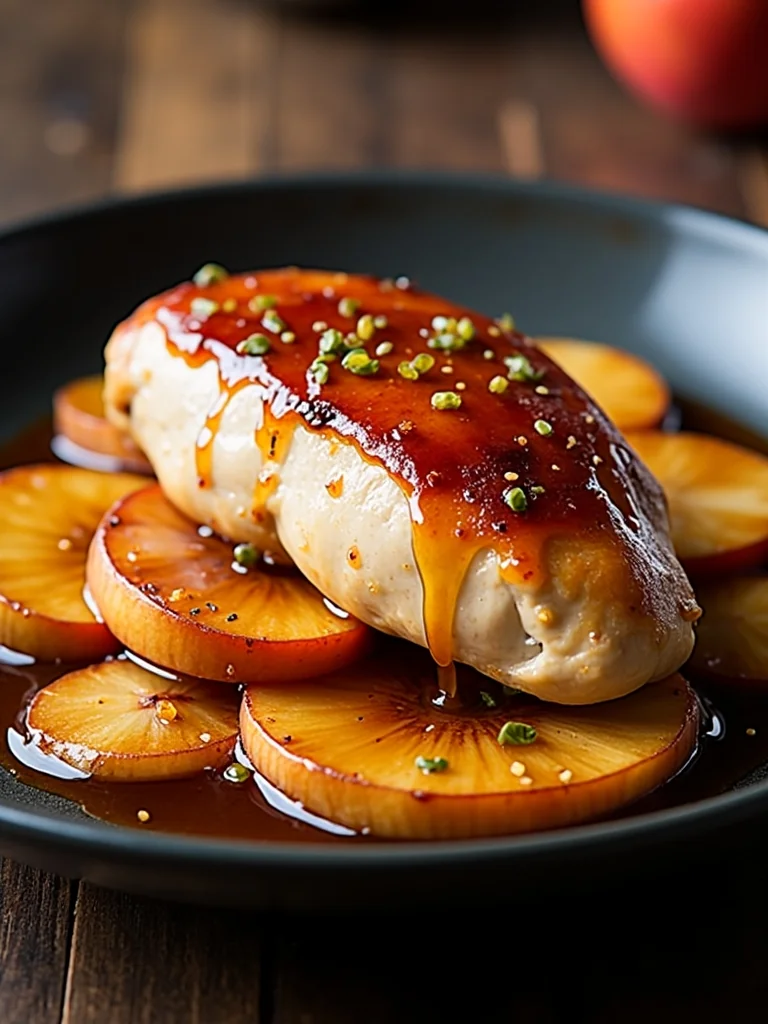
In 1913 the USDA documented that 4 lb of maple syrup could keep 2 lb of chicken edible for 48 hours without refrigeration. The glaze combined apple pectin and maple sugars to create a moisture barrier that slowed bacterial growth. Rural kitchens used this method to stretch limited protein supplies through the winter months. During the 1970s commercial apple puree replaced hand‑cored fruit, delivering a uniform sugar content and a smoother texture that caramelized predictably over heat. Standardizing the fruit component eliminated variability caused by seasonal ripeness, allowing cooks to scale the recipe for larger batches without sacrificing glaze consistency. Today the dish persists because the high‑heat sear that crisps the skin and the late‑stage maple‑apple glaze that sets at 425 °F produce a contrast of texture that no modern shortcut replicates. Pro‑tip: begin the chicken in a pre‑heated cast‑iron pan, let the skin brown for exactly three minutes, then transfer to a hot oven to finish; the residual heat locks the glaze while keeping the meat moist.
What Makes This One Different
-
- Apple glaze formed from thinly sliced cored apples — the natural pectin thickens the sauce as it reduces, coating the chicken with a glossy sheen.
-
- Maple syrup introduced mid‑simmer — its high fructose content browns swiftly, imparting a nuanced caramel note that balances the fruit's brightness.
-
- Skin‑on chicken thighs placed skin side down — the rendered fat crisps the skin, sealing in moisture while the meat stays tender and juicy.
-
- A splash of cider vinegar added at the end — the acidity lifts the sweetness, sharpening the overall flavor profile.
Essential Ingredient Guide
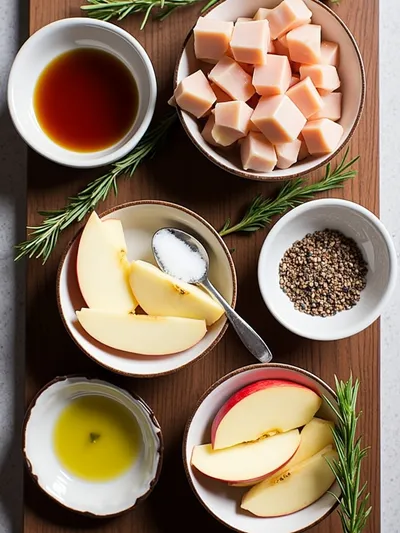
- Boneless skinless chicken breasts: Yes—choose pieces that feel firm and have a uniform pink color; trim any silvery membrane so the glaze doesn’t slide off during the final sear.
- Granny Smith apple: The tart, firm flesh holds shape when diced and caramelizes without turning mushy; discard any with soft spots that will dissolve into the sauce.
- Pure maple syrup (Grade A light amber): A light amber syrup lends a clean sweetness without the heavy burnt notes of darker grades; check the label for 100% maple, not pancake blend, to keep the glaze thin enough to coat.
- Dijon mustard: A stone‑ground Dijon creates a thin, velvety film that helps the maple glaze cling to the chicken; if you skip it, the sauce will pool rather than cling.
- Fresh garlic cloves, minced: Freshly minced garlic releases a sharper bite that counterbalances sweetness; pre‑minced paste loses that punch and can make the glaze one‑dimensional.
- Low‑sodium soy sauce: A splash adds the necessary umami contrast, but watch the amount—too much will mask the apple’s acidity and make the final dish salty.
Complete Cooking Process
-
Ingredient Readiness:
The chicken breasts must be patted completely dry before they meet the hot skillet; any surface moisture creates steam that prevents the skin from browning. While the chicken rests, the apple slices are tossed with a pinch of salt so that their flesh releases a thin layer of juice, which will later mingle with the glaze.
-
Flavor Development:
Place the breasts skin‑side down in a preheated pan and let them sizzle undisturbed for three minutes; this builds a golden crust that anchors the later glaze. When the skin is uniformly browned, deglaze the pan with a splash of apple cider, scraping the fond to dissolve the caramelized bits into the sauce.
-
Texture Control:
Add the sliced apples and a drizzle of maple syrup to the pan, then lower the heat to a gentle simmer. The apples soften just enough to release their pectin, which helps the glaze thicken without turning gummy, while the syrup coats the meat with a thin, glossy film.
-
Finishing Touches:
Finish the sauce with a knob of cold butter, whisked in at the end to lend a velvety sheen and to balance the acidity of the cider. A quick sprinkle of fresh thyme adds a herbaceous note that lifts the sweet‑savory profile.
-
Serving Timing:
Remove the chicken from the pan and let it rest for four minutes; this allows the juices to redistribute and the glaze to set into a thin lacquer. Slice the breasts against the grain just before plating, then drizzle the remaining pan sauce over the slices and the caramelized apple rounds.
-
When drying the chicken, use a paper towel that absorbs completely; residual dampness will steam the skin and stop the crust from forming.
-
During deglazing, add the cider in a steady stream while the pan is still hot; a sudden influx of cold liquid can shock the pan and cause uneven caramelization.
-
If the glaze begins to separate after adding butter, lower the heat and whisk continuously until it emulsifies again; high heat will cause the butter to split.
-
Resting the chicken is essential; cutting immediately will cause the internal juices to spill onto the plate, leaving the meat dry.
Things Worth Knowing
At the moment the sauce begins to coat the back of a spoon in a thin, glossy sheet, the glaze has reached its proper reduction; a faint aroma of caramelized apple and maple will rise from the pan. If the glaze looks too thin after deglazing, return the pan to medium heat and continue to simmer, stirring occasionally, until it clings to the spoon; a splash of water can be whisked in to rescue a slightly over‑reduced sauce.
The Essence of This Dish
The defining element of this dish is the simultaneous reduction of apple cider and pure maple syrup into a glossy glaze that clings to the chicken. This thin, amber sauce carries the bright acidity of the apple and the deep caramel of the maple, a balance that would be lost if either component were altered. What separates a good version is the precise control of heat when the glaze meets the pan‑seared breast, allowing the sugars to caramelize without crossing into bitterness while the meat remains juicily sealed. The cook watches the edge of the sauce change from fluid to pearly, adjusting the flame the instant it begins to darken.
A Bit of History
In 1795 a Vermont tavern ledger recorded a dish called "apple‑maple broth" served to travelers crossing the Green Mountains, noting that the sweetness of maple sap was tempered by the tartness of pressed apples. The combination likely entered colonial kitchens through Native American practices of pairing harvested maple syrup with orchard fruit. That early pragmatic pairing persists today, because modern cooks still rely on the same two ingredients—apple cider and maple syrup—to create the glaze that defines the dish.
What You'll Notice First
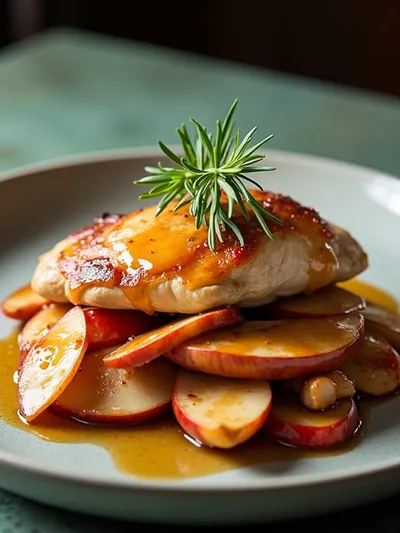
The first bite delivers the crisp edge of the seared skin, a firm snap that releases the bright acidity of a slivered apple slice perched on top. The skin’s browned surface provides a thin, crackling crust while the apple contributes a sharp, citrus‑like punch. As you chew, the caramelized maple notes unfurl, followed by the savory depth of the chicken and a faint whisper of sage that lingers on the palate, rounding the experience with a warm, resinous finish.
Read This First
-
The glaze moves from fluid to burnt in under a minute; keep the heat medium and have the finished glaze measured and waiting, or the sugars will turn bitter and the dish will taste ashy.
-
Chicken breasts of uneven thickness will leave one side dry while the other remains undercooked; flatten or butterfly them to a uniform ½‑inch thickness to ensure even moisture retention.
-
Apple slices release moisture quickly; add them in the last two minutes of cooking so they retain a slight bite instead of stewing into a limp puree.
Questions People Actually Ask
→ Why did my chicken turn out rubbery?
The chicken became rubbery because it was overcooked. Overcooking squeezes moisture and tightens the fibers, leaving a tough texture. Cook until the internal temperature reaches 165°F and remove it promptly.
→ What went wrong if the glaze is runny?
A runny glaze means the reduction didn’t reach the proper concentration. The apple juice and maple syrup need to simmer long enough for water to evaporate, and high heat can keep it thin. Keep the sauce on medium heat, stirring, until it coats the back of a spoon.
→ Can I use pork tenderloin instead of chicken?
Pork tenderloin works, but it requires a slightly lower final temperature. Pork should reach 145°F, and because it’s leaner, watch the cooking time to avoid drying. Adjust the glaze timing accordingly.
→ What if I don’t have maple syrup—what’s a good swap?
Honey mixed with a splash of brown sugar replicates maple’s sweetness and viscosity. Use equal parts honey and brown sugar, then proceed with the apple purée. The flavor shifts toward floral notes but still balances the apple.
→ How far ahead can I prepare the glaze?
The glaze can be made up to two days ahead and kept refrigerated. Cool it rapidly, then store in a sealed container; reheating will bring it back to a pourable consistency. This also allows the flavors to meld.
→ How long should I let the chicken rest after cooking?
Let the chicken rest for five minutes before slicing. Resting lets the juices redistribute, keeping the meat moist under the glaze. Cover loosely with foil to retain warmth.
→ What’s the best way to store leftovers?
Store cooked chicken and glaze separately in airtight containers in the fridge for up to three days. The chicken stays tender; the glaze preserves its sheen. Recombine when reheating.
→ How do I reheat the chicken without losing the glaze?
Reheat gently in a skillet over low heat, adding a tablespoon of water or broth to loosen the glaze. Stir until the sauce glosses the meat without scorching. This method avoids drying the protein.
Common Mistakes to Avoid
Learn from others' mistakes for perfect results
- Putting the maple syrup in the pan before the apple pieces lowers the pan temperature — the glaze remains watery and the chicken skin never turns a deep amber, because the sugar dissolves without reaching the caramelization point when the heat is pulled down too early.
- Cramming all the chicken breasts into a single layer of the skillet causes the surface moisture to steam rather than sear — the exterior stays pale and the glaze slides off, as the excess water prevents the Maillard reaction and the sugar from forming a crust.
- Placing chicken into the pan while still wet from a rinse leaves a thin film of water that evaporates rapidly, diluting the maple‑apple glaze and leaving it thin and gummy, because the moisture creates a barrier that stops the sugars from adhering and caramelizing on the meat.
Meal Prep & Storage
Make Ahead Tips
The apple‑maple glaze—equal parts freshly pressed apple puree, pure maple syrup, a pinch of salt, and a dash of mustard—can be combined in a small saucepan, reduced for five minutes, then cooled and sealed in a glass jar for up to two days in the refrigerator. Seasoned chicken breasts, coated lightly with the glaze and wrapped in parchment, may rest in a sealed container for up to 24 hours, allowing the spice layer to penetrate without drying the meat. When ready to serve, the chilled glaze should be reheated briefly and brushed over the chicken during the final minutes of pan‑searing, preserving the glaze’s glossy finish and the poultry’s crisp exterior. Prolonged storage dulls the apple’s fresh acidity, so the glaze benefits from a brief, fresh reheating, while the chicken’s texture remains optimal only when finished immediately before plating.
Leftover Ideas
Store the chicken in a sealed glass or BPA‑free plastic container, refrigerate at 4 °C (40 °F) and consume within four days; for longer keeping, freeze in a freezer‑safe bag at −18 °C (0 °F) where it remains good for up to two months. Reheat gently in a pre‑heated oven at 150 °C (300 °F) for fifteen to twenty minutes, keeping the dish covered with foil until the internal temperature reaches 74 °C (165 °F) to prevent the maple‑apple glaze from scorching or becoming rubbery. The glaze will lose some gloss and the meat may firm slightly, but the sweet‑savory balance deepens, and any leftovers can be cubed and tossed into a winter salad with bitter greens and toasted nuts for a new presentation.
Apple Maple Chicken – Perfect Dinner Idea
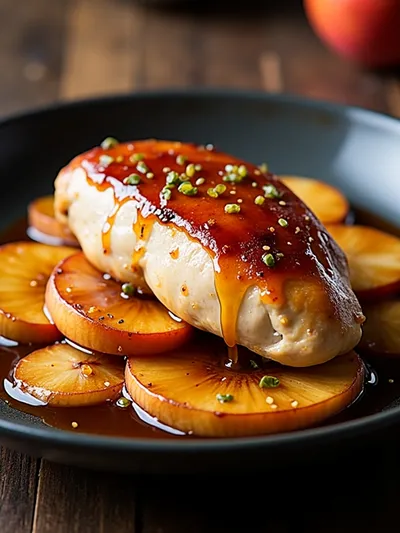
Pan‑seared chicken breasts are finished with a glaze of apples and maple syrup. The meat stays moist, while the sauce forms a thin amber coat that catches the caramelized edge of the sliced apples.
Timing
Prep Time
15 Minutes
Cook Time
25 Minutes
Total Time
45 Minutes
Recipe Details
Tools You'll Need
-
large wooden cutting board
-
8-inch chef's knife
-
12-inch cast iron skillet
-
silicone basting brush
-
small stainless steel saucepan
-
balloon whisk
-
heat-resistant kitchen tongs
-
digital instant‑read thermometer
Must-Know Tips
-
Pat the chicken breasts dry with paper towels before seasoning. Moist surface prevents a clean sear, causing the meat to steam rather than develop a caramelized crust.
-
Heat the skillet until a drop of water flickers and evaporates before adding oil. Adding oil too early cools the pan, resulting in a pale, uncolored exterior.
-
Brush the maple-apple glaze onto the chicken only during the last two minutes of cooking. The sugars in the glaze will caramelize quickly and can scorch if exposed to high heat for too long.
Professional Secrets
-
Pat the chicken completely dry before seasoning — eliminates surface moisture so the first sizzle creates a rapid Maillard reaction, giving the meat a crisp, caramelized crust the moment it meets the hot pan.
-
Toss the apple wedges with a light pinch of salt and a splash of cider vinegar just before they enter the skillet — the salt pulls out excess juice while the vinegar cuts sweetness, allowing the slices to soften yet retain a faint firmness during the glaze reduction.
-
Reduce the maple‑apple glaze over low heat after the chicken is removed, stirring until it coats the back of a spoon — gentle heat concentrates the sugars without scorching, producing a glossy film that adheres evenly when you spoon it back over the meat.

Recipe by
Alexa CarterFast food, but smarter 🔥🍽️ Bold flavors, simple steps, and meals that always hit the spot 😎
Get Delicious Recipes Weekly
Join 25,000+ home cooks getting our best recipes straight to their inbox.
Free forever • No spam • Unsubscribe anytime