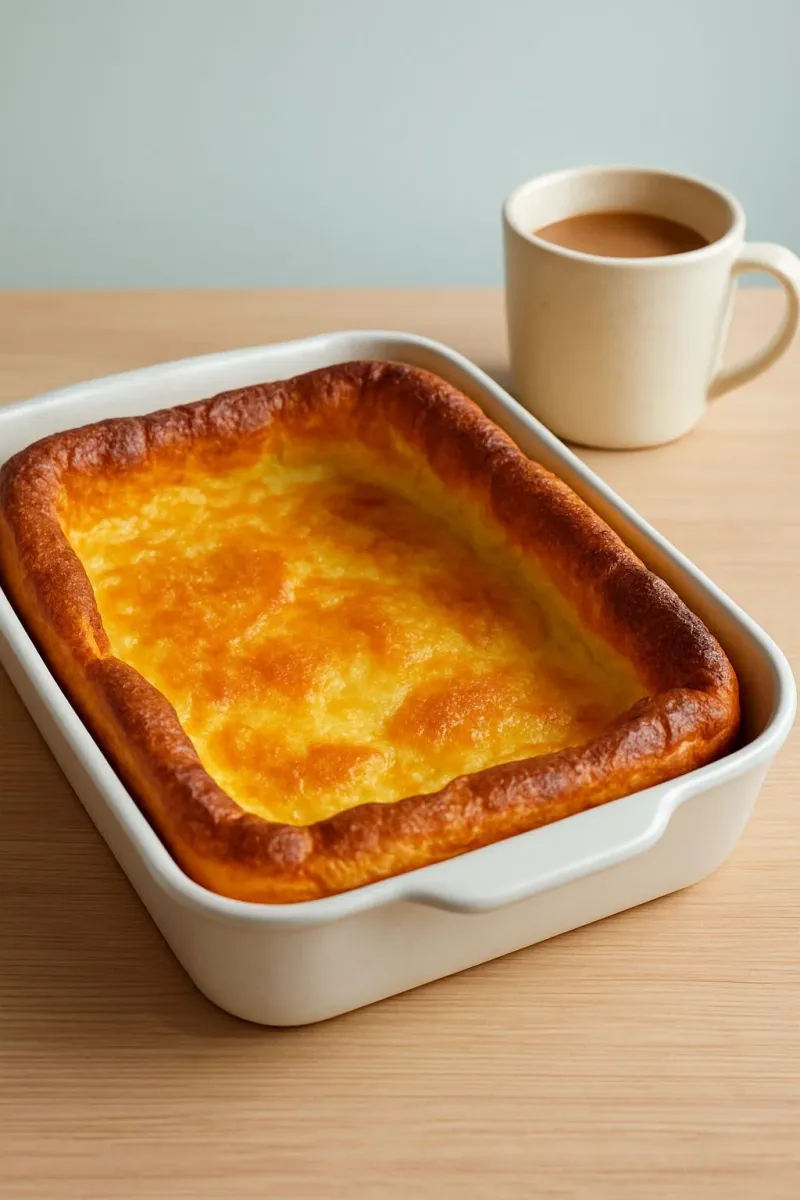
Honestly, I love the way a baked German pancake fills the kitchen with a gentle buttery aroma. It’s a fluffy pancake that you can whip up in a single pan, no flipping needed, just a patient wait for it to rise beautifully.
The essence of the dish
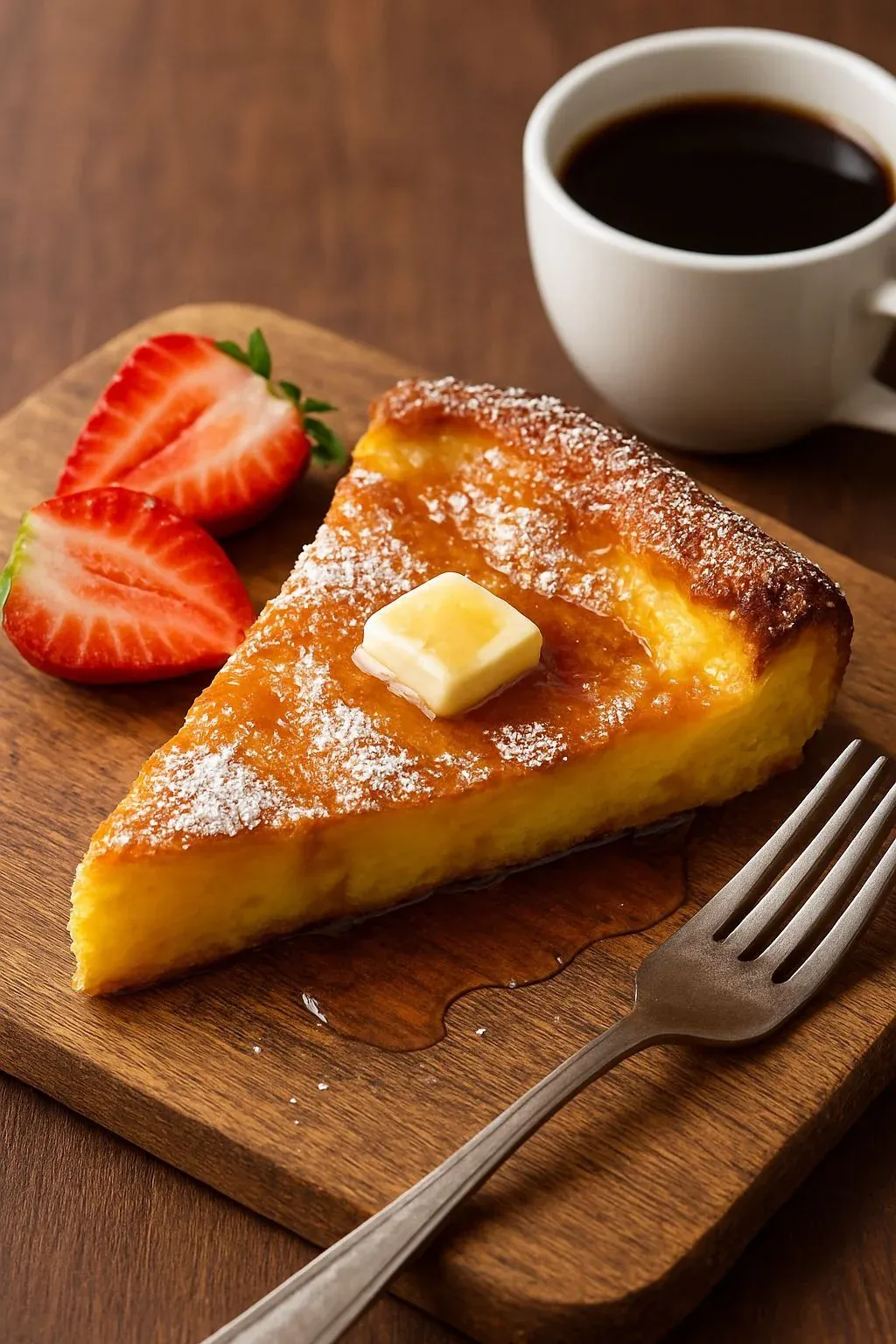
A simple batter of eggs, flour, and milk transforms in the oven into a towering, custardy pancake. The contrast between the crisp, buttery rim and the soft interior is what makes it unforgettable.
A fun fact or historical angle
In Germany, similar pancakes were traditionally served with applesauce. The baked version we enjoy today became popular in the United States after WWII, when home cooks sought quick, satisfying dishes.
Flavor or sensory focus
You’ll notice the gentle sweetness from the sugar, a bright hint of lemon zest, and the nutty aroma of browned butter. The texture shifts from a crisp edge to a melt‑in‑your‑mouth center.
You Must Know
- Use room‑temperature eggs for a smoother rise
- Butter the pan generously to avoid sticking
- Allow the batter to rest before baking
These points seem small, but they keep the pancake from turning dense or soggy. A little patience and the right pan temperature let the batter puff up naturally, giving you that signature dome. It’s a quiet triumph that feels like a warm hug on a plate.
The story behind it
Originating from German "Pfannkuchen," this airy treat traveled across Europe before finding a cozy spot on American brunch tables. Its rise is a simple chemical reaction—egg proteins trap steam, creating a lofty mound that collapses into a delicate center once the heat subsides. The dish embodies a quiet celebration of everyday ingredients, turning milk, eggs, and flour into a cloud‑like delight.
Why You'll Love It
- Minimal cleanup, just one pan
- Sweet aroma that fills the whole home
- Soft interior with a slightly caramelized rim
- Easy to tweak with fruit or spices
Tips for success
- Don’t open the oven door early; the steam needs to stay inside to lift the pancake.
- Let the batter rest for a few minutes to hydrate the flour.
- Butter the pan generously for the signature crisp edges.
Professional secrets
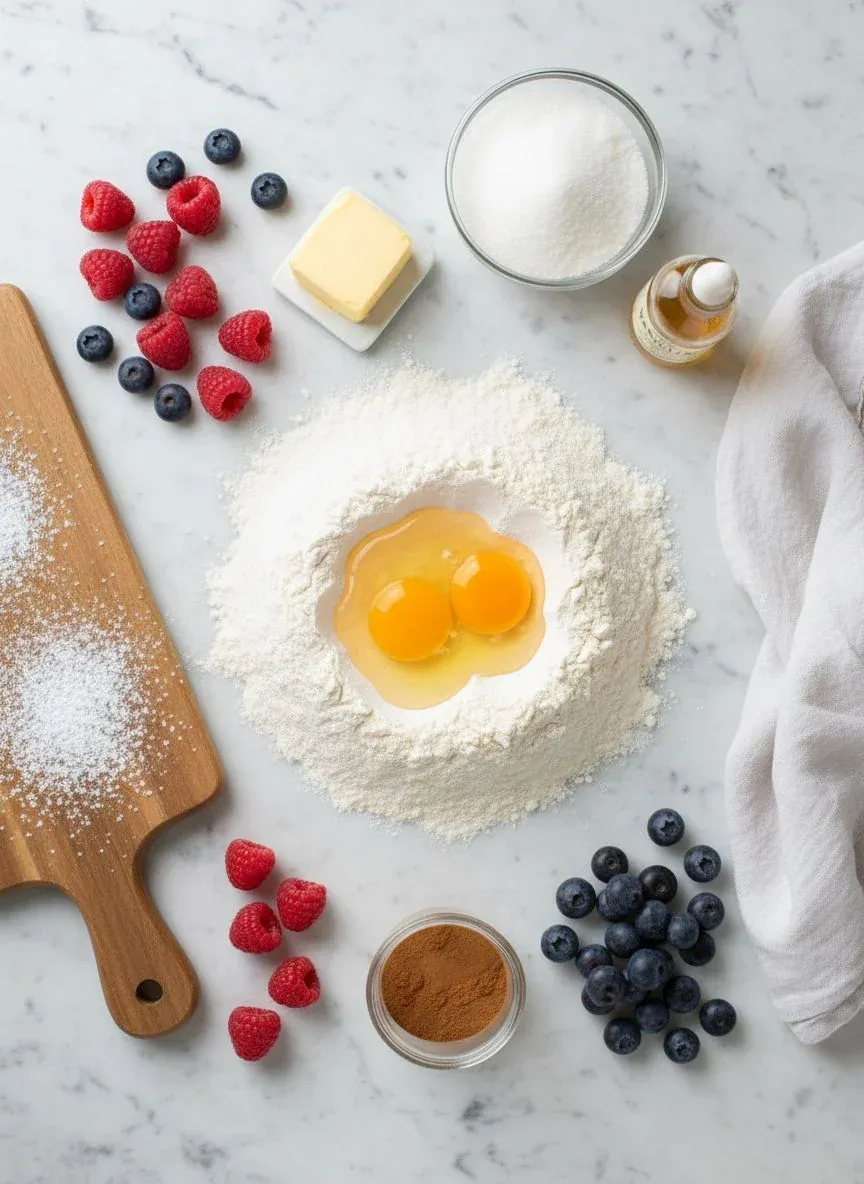
- Room temperature eggs whisk faster and trap more air.
- High oven temperature creates steam quickly, giving the pancake its rise.
- A pre‑heated skillet ensures immediate sizzle and caramelization.
Common mistakes to avoid
- Opening the oven too early, causing the pancake to flatten.
- Using cold butter, which can prevent proper caramelization.
- Over‑mixing the batter, leading to a dense texture.
Substitutions
- All‑purpose flour: Whole wheat flour or oat flour. Whole wheat adds nuttiness; you may need a little extra milk.
- Sugar: Honey or maple syrup. Reduce by half when using liquid sweeteners.
Variations
- Blueberry Bliss: Fold fresh blueberries into the batter before baking for bursts of sweet tartness.
- Savory Herb: Add chopped chives, thyme, and a sprinkle of grated parmesan for a savory spin.
Storage
Store leftovers in an airtight container in the fridge for up to 2 days; reheat gently in a skillet.
Make ahead
Whisk the batter a day ahead and store it in the fridge; give it a quick stir before baking for an even rise.
Leftovers
Reheat gently in a skillet over low heat, covered, to restore softness without drying out.
Serving ideas
- Serve hot with a dusting of powdered sugar and fresh berries.
- Pair with a side of Greek yogurt topped with honey.
- Add a dollop of whipped cream for an indulgent touch.
- Garnish with a sprig of mint for color and freshness.
Allergy information
Baked German Pancake
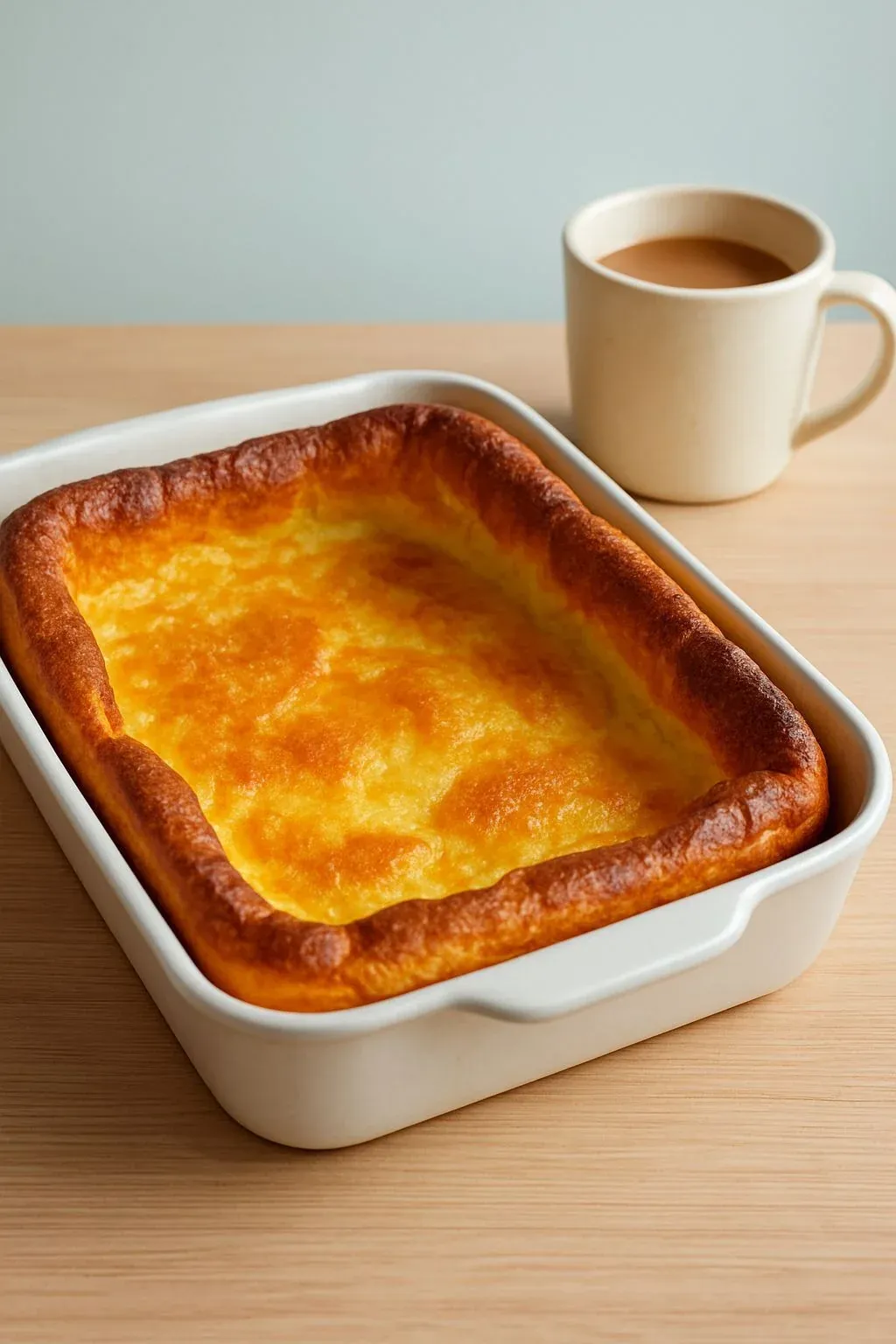
Fluffy baked German pancake with crisp edges and a soft center, ideal for a quick, cozy breakfast.
- Prep time
- 15 min
- Cook time
- 25 min
- Total time
- 40 min
- Difficulty
- Easy
- Cuisine
- German
- Course
- Breakfast
Ingredients
Batter
For Baking
Instructions
- 1
Preheat your oven to 425°F (220°C) and place a 10‑inch oven‑safe skillet inside to heat.
- 2
In a bowl, whisk eggs until fluffy, then add flour, milk, sugar, vanilla, lemon zest, and salt; whisk until smooth.
- 3
Carefully remove the hot skillet, add melted butter, swirling to coat the bottom and sides.
- 4
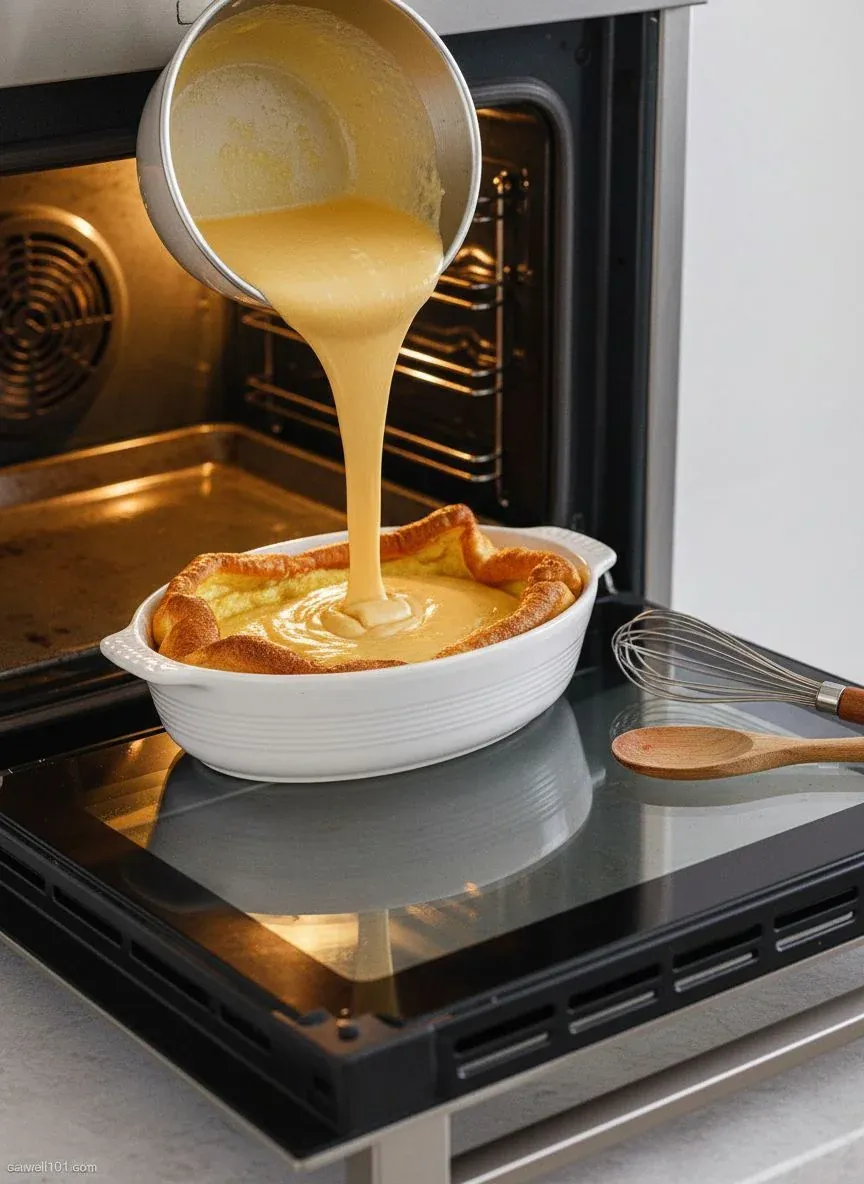
Pour the batter into the buttered skillet, then immediately transfer the skillet to the oven.
- 5
Bake for 20‑25 minutes, or until the edges are golden and the center is set but still slightly jiggly.
- 6
Remove from oven, dust with powdered sugar, and serve hot. Optional: pair with fresh berries or a drizzle of maple syrup.
Nutrition per serving
- 320 kcal
- Calories
- 12 g
- Protein
- 32 g
- Carbs
- 14 g
- Fat
Tips & notes
- If the batter looks too thick, add a splash of milk before baking. - For extra flavor, substitute half the milk with orange juice and add a pinch of cinnamon. - Do not over‑bake; the pancake should stay airy inside.
Frequently asked questions
Can I make this ahead of time?
You can whisk the batter and refrigerate it up to 12 hours; just give it a quick stir before baking.
What toppings work best?
Classic powdered sugar, fresh berries, sliced bananas, or a drizzle of maple syrup are all lovely.
Do I need a special pan?
A 10‑inch cast‑iron or stainless skillet works best, but any oven‑safe pan will do.
How do I keep it from sinking after removal?
Serve immediately; the pancake will settle as it cools, but a gentle tilt of the pan keeps the center tall.
Can I add protein?
Yes—mix in a scoop of protein powder or replace part of the flour with almond flour for a boost.
Is this gluten‑free?
Swap the all‑purpose flour for a 1‑to‑1 gluten‑free blend; the texture remains light.

Alexa Carter
Fast food, but smarter 🔥🍽️ Bold flavors, simple steps, and meals that always hit the spot 😎