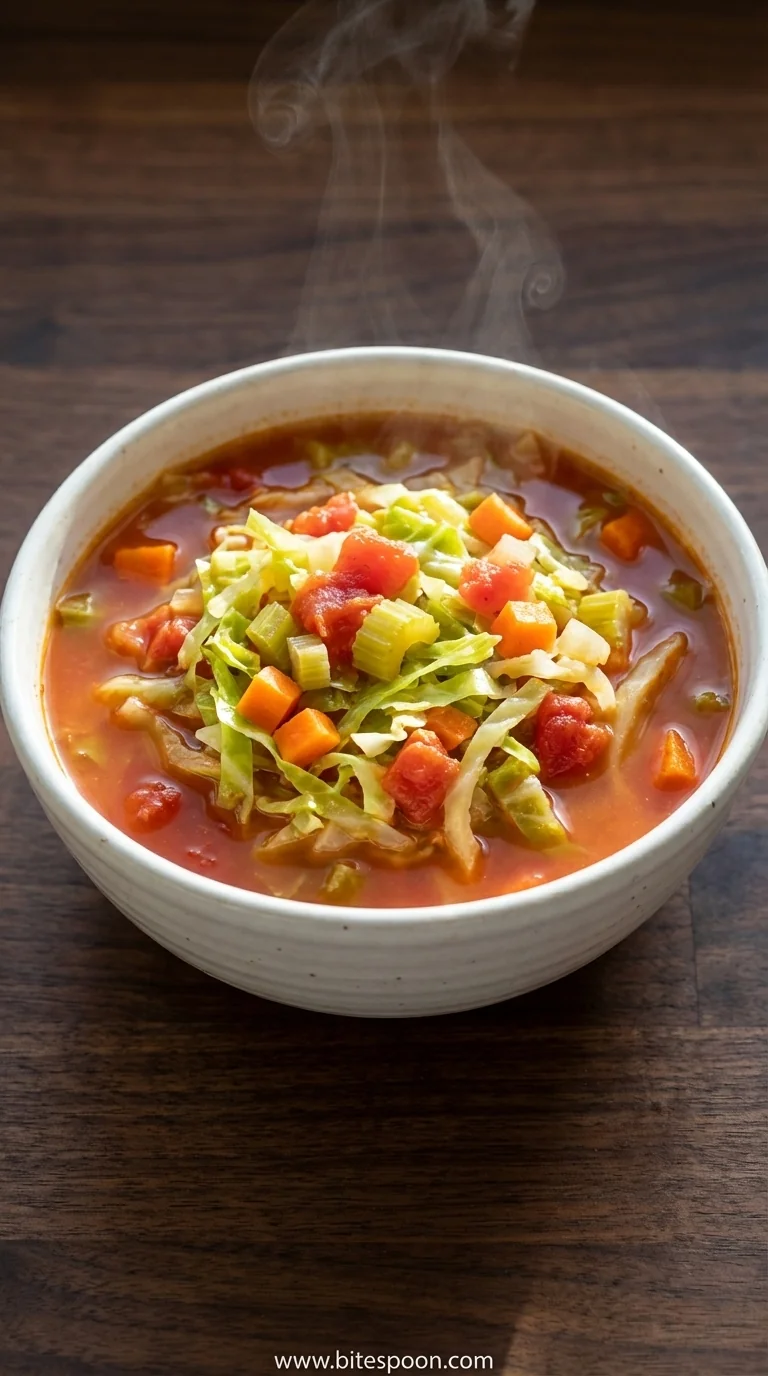
I'll never forget the first time I made this soup during a particularly gray February. The kind of day where the sky matches your mood and you just need something to lift your spirits. I had been browsing through some everyday recipes for inspiration when I remembered that cabbage sitting in my vegetable drawer. It felt like the universe was telling me to make soup.
The preparation itself is so meditative. There's something about chopping vegetables that feels like therapy. The crisp sound of the knife through cabbage, the way carrots surrender to being diced, the gentle sizzle when everything hits the warm pot. It's like each slice is cutting away the day's stress. I often find myself getting lost in the rhythm of it all, just like when I'm making my favorite lemon pasta - that same feeling of creating something beautiful from simple ingredients.
What I love most is how the soup transforms as it cooks. It starts out looking like a pile of separate vegetables, but after some time simmering together, they become this harmonious blend where every flavor complements the others. It reminds me of those cozy Sunday afternoons when I bake zucchini bread and the whole house smells like cinnamon and warmth. This soup gives me that same feeling of home and comfort.
The best part is how adaptable it is. Sometimes I'll add extra vegetables I have on hand, or swap the herbs depending on my mood. It's forgiving in that wonderful way that the best apple cinnamon bread recipes are - you can make little changes and it still turns out beautifully. This soup has become my culinary security blanket, ready to warm me up no matter what the weather or my mood might be.
Why You'll Love It
-
Hearty comfort in every spoonful - There's something so deeply satisfying about the way the vegetables soften and merge together in the broth. The cabbage becomes almost silky, the carrots add sweetness, and the potatoes provide this wonderful substance that makes it feel like a complete meal. I love how each bite has different textures - some pieces tender, others with a slight bite. It's the kind of soup that makes you want to curl up on the couch with a blanket afterwards.
-
Incredibly adaptable to what you have - Honestly, this is my favorite thing about this soup. Don't have potatoes? Use sweet potatoes. Out of carrots? Toss in some celery. I've even added a can of tomatoes sometimes when I'm feeling adventurous. It's as forgiving as my favorite creamy tomato sauce recipe - you can make it your own without worrying about exact measurements. This flexibility makes it perfect for cleaning out the fridge at the end of the week.
-
Makes your house smell amazing - The aroma that fills your kitchen while this simmers is pure comfort. It's that gentle, savory scent that makes everyone wander in asking "what's cooking?" I love how the herbs release their fragrance slowly, mingling with the vegetable sweetness. It's the kind of smell that makes a house feel like a home, much like when I'm baking one of my quick bread recipes.
-
Perfect for meal prep and leftovers - This soup actually gets better the next day, which I absolutely adore. The flavors have time to marry and deepen overnight in the fridge. I often make a big pot on Sunday and have lunches sorted for the first part of the week. It reheats beautifully, and sometimes I'll add fresh herbs when serving to brighten it up again.
"This cabbage soup has become my weekly comfort food - it's like wrapping myself in a warm blanket from the inside out. My whole family asks for it now!"
Essential Ingredient Guide
- Green Cabbage: I love using fresh green cabbage because it has this wonderful crisp texture that softens perfectly in the soup without turning mushy. Look for heads that feel heavy for their size with bright, tightly packed leaves. The outer leaves might look a bit tired, but as long as the inner layers are crisp, you're golden. I usually remove the core and slice the cabbage into thin ribbons - they cook evenly and look so pretty in the broth.
- Carrots: Carrots bring this beautiful sweetness that balances the cabbage's slight bitterness. I prefer to dice them rather than slice - the smaller pieces distribute more evenly throughout the soup. Sometimes I'll use rainbow carrots if I find them at the market because they add such lovely color. Fresh carrots should be firm with smooth skin - if they're bendy, they've lost their crunch and sweetness.
- Potatoes: Yukon gold potatoes are my go-to because they hold their shape well but still become tender. They add this wonderful heartiness that makes the soup feel substantial. I peel them because I prefer the smoother texture, but you can leave the skin on if you like that rustic feel. Cutting them into small cubes ensures they cook at the same rate as the other vegetables.

Complete Cooking Process
-
Preparation:
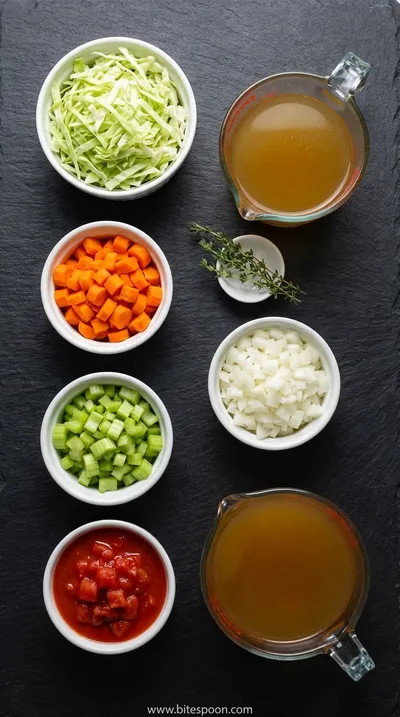
I always start by gathering all my vegetables on the cutting board - there's something so satisfying about seeing everything lined up and ready. I wash the cabbage under cool water, admiring how the water droplets cling to the crisp leaves. Then I carefully remove the core and slice the cabbage into thin ribbons, listening to that familiar crunch. The carrots get peeled and diced into small pieces, and the potatoes follow suit. I mince the garlic until it's fine and fragrant, enjoying how the scent clings to my fingers. This preparation time is like meditation for me - each slice bringing me closer to the comforting meal ahead.
-
Cooking:
I heat the olive oil in my favorite soup pot until it shimmers, then add the onions and garlic. That initial sizzle is music to my ears! I sauté them until they're soft and translucent, filling the kitchen with that incredible aroma. Then in go the carrots and potatoes, getting a quick toss to coat them in the flavorful oil. After a few minutes, I add the cabbage - it seems like so much at first, but it wilts down beautifully. The broth goes in next, along with the herbs, and I bring everything to a gentle boil before reducing to a simmer. I love watching the bubbles rise slowly to the surface as the vegetables soften and merge together.
-
Assembly:
Once the vegetables are tender but not mushy, I taste and adjust the seasoning. Sometimes it needs a pinch more salt, sometimes a grind of pepper. I like to let it sit for a few minutes off the heat so the flavors can settle. Ladling it into bowls feels like serving up little portions of comfort. I might sprinkle some fresh parsley on top for color, or add a drizzle of olive oil for richness. Each bowl is slightly different, with varying combinations of vegetables in every spoonful.
-
Don't rush the sautéing step - letting the onions and garlic cook slowly builds the flavor foundation
-
Taste as you go - vegetables can vary in sweetness, so adjust seasoning throughout
-
Let the soup rest for 10 minutes after cooking - the flavors deepen beautifully
Pro Tips
These little touches make such a difference in creating a soup that feels thoughtfully made rather than rushed.


The Magic of Simmering
There's something truly magical about how this soup transforms during the simmering process. The vegetables soften but retain their individual characters, the broth becomes infused with all their flavors, and the herbs release their essence gradually. I love peeking under the lid every so often to watch the gentle bubbles and inhale that comforting steam. It's during this quiet simmering time that separate ingredients become a harmonious whole.
You Must Know
-
Use vegetable broth for vegetarian version - it works perfectly
-
Don't overcook the vegetables - tender-crisp is ideal
-
Fresh herbs make a huge difference if you have them
Frequently Asked Questions
→ Can I freeze this cabbage soup?
Oh, absolutely! This soup freezes beautifully, which I love for those busy weeks. I usually let it cool completely, then portion it into freezer-safe containers, leaving about an inch of space at the top for expansion. It keeps well for up to three months. When you're ready to enjoy it, thaw it overnight in the refrigerator, then reheat gently on the stove. The texture might be a bit softer after freezing, but the flavor is still wonderful.
→ What other vegetables can I add?
This soup is so forgiving - you can add almost any vegetables you have on hand. I've thrown in celery, green beans, even some chopped kale when I had it. The key is to consider cooking times - harder vegetables like potatoes and carrots go in early, while quicker-cooking veggies like zucchini should be added towards the end. It's a great way to clean out the vegetable drawer, much like when I'm making pasta dishes where you can be creative with additions.
→ How long will leftovers keep in the fridge?
Leftovers will keep beautifully for about 4-5 days in an airtight container. I actually think it tastes even better the next day as the flavors have more time to meld together. Just make sure to cool it completely before refrigerating. When reheating, you might need to add a splash of broth or water as it tends to thicken up a bit overnight.
→ Can I make this soup in a slow cooker?
You certainly can! I've made it many times in my slow cooker when I want dinner ready when I get home. Just sauté the onions and garlic first to develop that base flavor, then add everything to the slow cooker. Cook on low for 6-8 hours or high for 3-4 hours. The vegetables will be very tender this way, so if you prefer more texture, reduce the cooking time slightly.
→ Is this soup good for weight loss?
This soup is naturally low in calories and high in fiber, making it very filling without being heavy. The vegetables provide lots of nutrients, and if you watch the oil amount, it can definitely be part of a healthy eating plan. I find it particularly satisfying during those times when I want something comforting but light.
Nutrition Facts
per serving
120
Calories
3g
Protein
22g
Carbs
3g
Fat
Taste Profile
Savory and comforting with natural vegetable sweetness
Ingredient Substitutions
Don't have an ingredient? Try these alternatives
Will add different sweetness and texture profiles
Adds more savory depth if you're not vegetarian
Recipe Variations
Try these delicious twists on the original
Tomato Cabbage Soup
Add a can of diced tomatoes and some tomato paste for a richer, slightly acidic version
Spicy Cabbage Soup
Add red pepper flakes and a dash of hot sauce for some heat
Common Mistakes to Avoid
Learn from others' mistakes for perfect results
- Overcooking vegetables until mushy
- Not sautéing vegetables enough before adding liquid
- Using old or wilted vegetables
- Skipping the seasoning adjustments
Meal Prep & Storage
Make Ahead Tips
You can chop all the vegetables up to 2 days in advance and store them in airtight containers in the refrigerator. The soup itself tastes even better the next day, so making it ahead is actually recommended. It reheats beautifully on the stove or in the microwave.
Leftover Ideas
Leftovers are wonderful for lunch the next day. The flavors continue to develop overnight. You might want to add fresh herbs when reheating to brighten it up. If it seems too thick, add a splash of broth or water when reheating.
Perfect Pairings
Serve this with...
Cooking Timeline
Chop all vegetables and gather ingredients
Sauté onions, garlic, then other vegetables
Add broth and simmer until vegetables are tender
Rest and serve
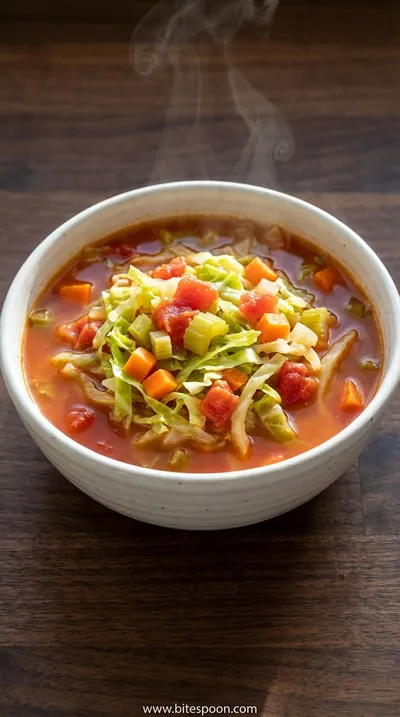
Best Cabbage Soup Recipe for Healthy Eating
Easy homemade cabbage soup packed with vegetables. A nutritious meal perfect for any season.
Timing
Prep Time
15 Minutes
Cook Time
35 Minutes
Total Time
50 Minutes
Recipe Details
Ingredients
Soup Base
-
01
1 tablespoon olive oil
-
02
1 large onion, diced
-
03
3 cloves garlic, minced
-
04
6 cups vegetable broth
-
05
1 teaspoon dried thyme
-
06
1 bay leaf
-
07
Salt and pepper to taste
Vegetables
-
01
1 small green cabbage, sliced (about 6 cups)
-
02
3 medium carrots, diced
-
03
2 medium potatoes, peeled and diced
-
04
Optional: fresh parsley for garnish
Instructions
Start by heating the olive oil in a large pot over medium heat. I love watching the oil shimmer when it's ready - it's like the pot is warming up for the vegetables. Add the diced onion and minced garlic, and sauté them until they become soft and fragrant. This usually takes about 5 minutes, and I stir occasionally to prevent burning. The kitchen starts smelling amazing at this point, with that wonderful onion and garlic aroma filling the air. I always take a moment to appreciate how such simple ingredients can create such foundational flavors.
Now add the diced carrots and potatoes to the pot. Give everything a good stir to coat the vegetables in the oil and onion mixture. I let them cook for about 5 minutes, stirring occasionally, until they start to soften slightly around the edges. You'll notice the carrots becoming brighter in color as they heat up. This step helps develop the vegetables' natural sweetness before we add the liquid.
Time for the cabbage! Add the sliced cabbage to the pot - it might seem like a lot, but it wilts down beautifully. Stir everything together until the cabbage starts to soften, which takes about 3-4 minutes. I love watching the volume reduce as the cabbage cooks down. Then pour in the vegetable broth and add the thyme and bay leaf. Bring everything to a boil, then reduce the heat to a gentle simmer.
Let the soup simmer uncovered for about 25-30 minutes, or until all the vegetables are tender but not mushy. I like to taste it about halfway through and adjust the seasoning if needed. When it's done, remove the bay leaf - I always forget it's in there, so I make a mental note! Let the soup rest for 5 minutes before serving to allow the flavors to settle. Ladle into bowls and garnish with fresh parsley if you have it.
Notes & Tips
-
1
If you want a heartier soup, you can add a can of drained white beans during the last 10 minutes of cooking
-
2
For extra depth, you can use half vegetable broth and half water with a tablespoon of tomato paste
-
3
Fresh herbs really elevate this - try adding some fresh thyme or oregano if you have it
-
4
The soup thickens as it sits - you may want to add a splash of broth when reheating leftovers

Tools You'll Need
-
Large soup pot with lid - something sturdy that distributes heat evenly
-
Cutting board - I prefer wooden ones for vegetable prep
-
Sharp chef's knife - makes chopping all those vegetables much easier
-
Measuring cups and spoons - for accuracy with broth and seasonings
-
Ladle - for serving the finished soup beautifully
Must-Know Tips
-
Don't overcrowd when sautéing - Give vegetables space to cook properly
-
Taste as you go - Broths vary in saltiness, adjust seasoning gradually
-
Cut vegetables evenly - Uniform pieces cook at the same rate
Professional Secrets
-
Sauté vegetables well - Builds flavor foundation before adding liquid
-
Simmer gently - Rapid boiling can make vegetables mushy
-
Rest before serving - Allows flavors to meld beautifully

Recipe by
Alexa CarterFast food, but smarter 🔥🍽️ Bold flavors, simple steps, and meals that always hit the spot 😎
Get Delicious Recipes Weekly
Join 25,000+ home cooks getting our best recipes straight to their inbox.
Free forever • No spam • Unsubscribe anytime