
The marriage of sourdough and pizza is a reflection of ancient traditions meeting modern cravings. Long before commercial yeast was a staple in every pantry, wild leavening was the heartbeat of baking across Europe and the Mediterranean. In the early days of Naples, the art of the pizzaiolo relied on the local air and flour to create a dough that was naturally easier on the stomach and richer in flavor.
This specific approach to sourdough pizza dough honors that slower pace of life. By allowing the natural bacteria and wild yeast to break down the proteins in the bread flour and all-purpose flour, the resulting crust achieves a complexity that instant yeast simply cannot replicate. It is a process of transformation, where simple filtered water and sea salt become a sophisticated base.
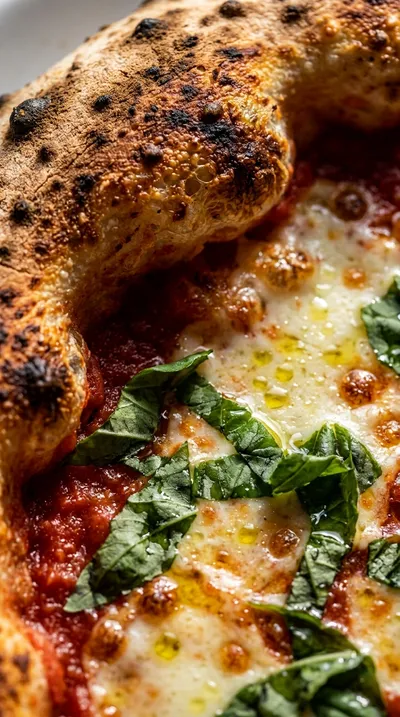
In high-heat environments, these wild yeasts react beautifully, creating those iconic charred "leopard spots" and a light, airy structure. It is a culinary bridge between the rustic hearths of the past and the high-performance ovens of today, proving that some of the best flavors are those that simply take their time.
Why You'll Love It
-
- Honestly, there is just nothing like that first bite of a crisp, airy crust that has that gentle, tangy sourdough soul to it.
-
- I mean, it's such a rewarding process; watching the dough rise slowly over a few hours brings a kind of peace to the kitchen, you know?
-
- Well, look, it gives you that professional, high-heat oven result right at home, so your family gets those beautiful bubbly edges they crave.
-
- Dang, the way it pairs with simple toppings is just magic, and it feels so much more grounded and wholesome than store-bought dough.
"Honestly, the crust is just perfect. My kids actually asked for "the tangy pizza" again this weekend. So delicious!"
Essential Ingredient Guide
- 1 cup (240 ml) active sourdough starter (100% hydration, fed 12 hours ago): This is the heart of the whole thing. Make sure it's bubbly and happy; I always find that feeding it about 12 hours before feels just right for that perfect lift.
- 360 g bread flour (≈3 cups): I use this for the strength. It provides those lovely chewy strands that keep the pizza from sagging under all those delicious toppings.
- 120 g all‑purpose flour (≈1 cup): Adding a bit of this keeps the crust from getting too tough. It's a little secret for a more balanced, tender bite.
- 18 g sea salt (≈1 tablespoon): Don't be shy with this. It wakes up all the other flavors and gives the crust that savory depth we all love.
- 240 g filtered water (≈1 cup, 78 °F/26 °C): The temperature is key here, really. I use filtered water to keep things clean and lukewarm so the starter doesn't get a shock.
- 1 g sugar (≈1 ½ teaspoons, optional for crust color): Just a tiny pinch, really. It's mostly there to help the crust get that gorgeous golden brown color in the oven.

Complete Cooking Process
-
Getting Ready:
Start by whisking your flours, salt, and sugar together. I like to make sure everything is well-distributed before the wet ingredients join the party.
-
Developing the Soul:
The flavor really deepens during those 4–5 hours of bulk fermentation. Those stretch-and-folds every 30 minutes are where the magic happens, honestly.
-
Perfecting the Texture:
Kneading for about 8–10 minutes makes the dough smooth and elastic. Just be careful not to add too much extra flour, or you'll lose that airy lightness.
-
The Final Touch:
Stretch your dough into a 12-inch circle on a floured peel. I always leave a small border for the crust to puff up and get crisp.
-
The Perfect Moment:
Once it's golden and bubbly, let it rest for just a minute or two. It's hard to wait, I know, but it lets the cheese settle just a bit.
-
Use a Dutch oven cover or second stone to trap steam for the first 4 minutes to help the crust rise.
-
If the dough feels too dry, just add a tablespoon of olive oil for a softer texture.
-
Brush the crust with a thin layer of water before baking for an extra crispy edge.
-
Preheat your stone for at least 45 minutes so it's screaming hot when the pizza hits it.
Pro Tips
You've got this, just take your time and enjoy the smell of the baking bread!


Better For You Treats
Since we're using natural leavening instead of commercial yeast, this dough is often a bit kinder to the tummy. It's a more mindful way to enjoy pizza, and honestly, the natural fermentation just tastes more honest.
Ways to Make it Your Own
You could swap half of that 360 g bread flour for whole-wheat for a nuttier taste. Or, if you're feeling fancy, stir in a teaspoon of dried oregano and a half-teaspoon of thyme for a lovely aromatic crust.
Serving Suggestions
I love a classic Neapolitan feel with fresh basil and a drizzle of olive oil. For something with a bit more zing, try some red pepper flakes and a splash of balsamic glaze after it comes out of the oven.
Frequently Asked Questions
→ What if my dough is too sticky to knead?
Oh, don't panic! Just dust your surface with a little flour, but try not to add too much or the crust will be heavy.
→ Can I make the dough ahead of time?
Yeah, absolutely. Just pop the unbaked dough in the fridge for up to 24 hours, then let it warm up for 30 minutes before you shape it.
→ My oven doesn't go to 550°F, will it still work?
It sure will, though it might take a few minutes longer. Just make sure your stone is preheated well to get that crisp bottom.

Nutrition Facts
per serving
620
Calories
28g
Protein
115g
Carbs
4g
Fat
Taste Profile
A balanced, tangy sourdough base with a savory, salted finish.
Ingredient Substitutions
Don't have an ingredient? Try these alternatives
The crust will be softer and less chewy.
If your water is heavily chlorinated, it might slow down the wild yeast.
Recipe Variations
Try these delicious twists on the original
Whole-Wheat Sourdough Pizza Dough
For a nuttier flavor and more fiber, replace 50% of the bread flour with whole-wheat flour while keeping the hydration the same.
Herb-Infused Sourdough Dough
Add 1 tsp of dried oregano and ½ tsp of dried thyme directly into the flour mix for a fragrant, aromatic crust.
Common Mistakes to Avoid
Learn from others' mistakes for perfect results
- Adding too much flour during kneading, which makes the crust heavy.
- Not preheating the stone long enough, resulting in a soggy bottom.
- Skipping the stretch-and-folds, which can lead to a flatter pizza.
Meal Prep & Storage
Make Ahead Tips
You can prepare the dough and store the portions in the refrigerator for up to 24 hours for a slower, more developed flavor.
Leftover Ideas
Freeze unbaked dough balls wrapped in plastic and foil. Thaw in the fridge overnight before proofing and baking.
Perfect Pairings
Serve this with...
Cooking Timeline
Mixing and kneading the dough.
Bulk fermentation with stretch-and-folds.
Dividing and shaping into balls.
Final proofing and oven preheating.
Stretching, topping, and baking.
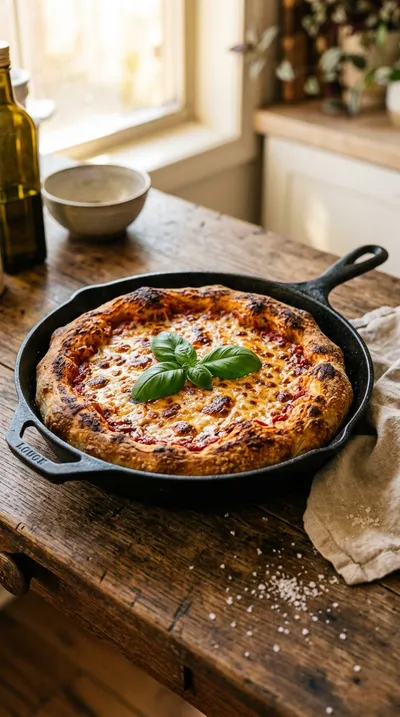

Best-Ever Sourdough Pizza Dough for High-Heat Oven
There is nothing quite like the smell of a sourdough pizza dough bubbling in a hot oven. This recipe gives you a crisp, airy crust with a gentle tang that makes every slice feel special.
Timing
Prep Time
30 Minutes
Cook Time
15 Minutes
Total Time
80 Minutes
Recipe Details
Ingredients
Main Ingredients
-
01
1 cup (240 ml) active sourdough starter (100% hydration, fed 12 hours ago)
-
02
360 g bread flour (≈3 cups)
-
03
120 g all-purpose flour (≈1 cup)
-
04
240 g filtered water (≈1 cup, 78 °F/26 °C)
-
05
18 g sea salt (≈1 tablespoon)
-
06
1 g sugar (≈1 ½ teaspoons, optional for crust color)
Instructions
Grab a large bowl and combine your 360 g bread flour, 120 g all-purpose flour, 18 g sea salt, and 1 g sugar. I usually use a whisk just to make sure the salt is distributed evenly—honestly, it makes such a difference.
Now, pour in the 240 ml water and 1 cup sourdough starter. Stir it all together with a wooden spoon or a dough scraper until it forms a shaggy dough. Once it's come together, just move it over to a lightly floured surface.
Knead the dough for about 8–10 minutes until it feels elastic and smooth under your hands. Look, if it feels a bit sticky, just dust it with a little flour, but don't go overboard or you'll lose that lovely natural sourdough flavor.
Shape the dough into a tight ball and nestle it into a lightly oiled bowl. Cover it with plastic wrap and let it bulk ferment at room temperature (70 °F/21 °C) for 4–5 hours. Every 30 minutes during the first 2 hours, give it a set of stretch-and-folds; it helps the structure, yeah.
After the bulk ferment, gently flatten the dough into a rectangle. Divide it into 4 equal portions (about 350 g each), shape them into balls, and tuck them into a proofing basket or a bowl lined with a well-floured towel.
Cover your dough balls and let them have their final proof for 2–3 hours at room temperature. You'll know they're ready when they've visibly risen and have a soft, domed surface.
Preheat your oven to 500 °F (260 °C) with your pizza stone or baking steel already inside. Let it heat for at least 45 minutes—wow, it needs to be really hot to get that crust right.
On a lightly floured pizza peel, stretch or roll each ball into a 12-inch circle. Aim for a base that's thin but sturdy. Add your favorite toppings—tomato sauce, mozzarella, basil—leaving a small border for the crust.
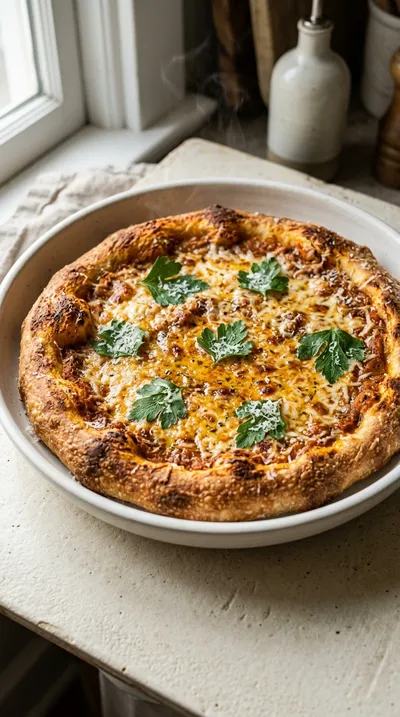
Carefully slide the pizza onto the preheated stone or steel. Bake for 10–12 minutes. You're looking for a golden brown crust, bubbly cheese, and those crisp edges.
Take it out and let it rest for just 1–2 minutes before slicing. Enjoy that chewy, tangy sourdough base while it's hot!
Notes & Tips
-
1
The sugar is optional, but it really helps with the crust color in home ovens.
-
2
Ensure the sourdough starter is active and fed exactly 12 hours prior for the best rise.
-
3
Filtered water helps maintain a consistent fermentation process.
Tools You'll Need
-
Large mixing bowl for combining ingredients
-
Whisk for distributing salt and sugar
-
Dough scraper for handling sticky dough
-
Plastic wrap or cloth for covering during fermentation
-
Proofing basket or bowl lined with a well-floured towel
-
Pizza stone or baking steel for high-heat conduction
-
Pizza peel or inverted baking sheet for sliding dough
-
Digital kitchen scale for precise measurements
-
Thermometer to check water and room temperature
-
Oven with high-heat capability (500–550 °F)
Must-Know Tips
-
Steam Trapping, Use a Dutch oven cover or second stone for the first 4 minutes to help the crust rise before browning.
-
Hydration Balance, If the dough feels too dry, a tablespoon of olive oil can soften the texture without losing flavor.
-
Edge Crispness, Brush the crust edges with water before baking to create vapor that expands the dough.
Professional Secrets
-
Stretch-and-folds every 30 minutes for the first 2 hours create a superior crumb structure.
-
A 45-minute preheat of the baking steel is non-negotiable for a professional-style bottom crust.
-
Using a combination of bread flour and all-purpose flour balances chewiness with tenderness.
What readers are saying
Community reviews from home cooks like you
Perfect for a busy weeknight. I really liked how the 1 cup (240 ml) active sourdough starter (100% hydration, fed 12 hours ago) and 360 g bread flour (≈3 cups) came together. Already shared it with a friend.
I wanted to love this dish, but it didn't quite work for me. My oven needed an extra 5 minutes. I think with some tweaks it could be really good.
Absolutely loved this recipe! I really liked how the 1 cup (240 ml) active sourdough starter (100% hydration, fed 12 hours ago) and 360 g bread flour (≈3 cups) came together. I added a bit more seasoning next time. Thanks for sharing this one!
The flavors were spot on. I really liked how the 1 cup (240 ml) active sourdough starter (100% hydration, fed 12 hours ago) and 360 g bread flour (≈3 cups) came together. My oven needed an extra 5 minutes. Saving this for later.
Will definitely make this again. I really liked how the 1 cup (240 ml) active sourdough starter (100% hydration, fed 12 hours ago) and 360 g bread flour (≈3 cups) came together. Highly recommend giving it a try.
Will definitely make this again. I really liked how the 1 cup (240 ml) active sourdough starter (100% hydration, fed 12 hours ago) and 360 g bread flour (≈3 cups) came together. Thanks for sharing this one!
Perfect for a busy weeknight. I really liked how the 1 cup (240 ml) active sourdough starter (100% hydration, fed 12 hours ago) and 360 g bread flour (≈3 cups) came together. Next time I'll double the sauce. Great addition to my recipe rotation.
Can't believe how simple this was. I really liked how the 1 cup (240 ml) active sourdough starter (100% hydration, fed 12 hours ago) and 360 g bread flour (≈3 cups) came together. Perfect as written.
So easy and delicious. I really liked how the 1 cup (240 ml) active sourdough starter (100% hydration, fed 12 hours ago) and 360 g bread flour (≈3 cups) came together. I swapped one ingredient and it still worked. My kids even asked for seconds.
My new favorite way to make Best-Ever Sourdough Pizza Dough for High-Heat Oven. I really liked how the 1 cup (240 ml) active sourdough starter (100% hydration, fed 12 hours ago) and 360 g bread flour (≈3 cups) came together. My kids even asked for seconds.
Perfect for a busy weeknight. I really liked how the 1 cup (240 ml) active sourdough starter (100% hydration, fed 12 hours ago) and 360 g bread flour (≈3 cups) came together. Perfect as written.
My new favorite way to make Best-Ever Sourdough Pizza Dough for High-Heat Oven. I really liked how the 1 cup (240 ml) active sourdough starter (100% hydration, fed 12 hours ago) and 360 g bread flour (≈3 cups) came together. Perfect as written.
Perfect for a busy weeknight. I really liked how the 1 cup (240 ml) active sourdough starter (100% hydration, fed 12 hours ago) and 360 g bread flour (≈3 cups) came together. Will be making this regularly.
Good, but not amazing. The ago) flavor was nice, but it took slightly longer than the recipe said. I might try it again with some adjustments.
Decent result for the effort. The ago) flavor was nice, but i swapped one ingredient and it still worked. I might try it again with some adjustments.
This exceeded my expectations. I really liked how the 1 cup (240 ml) active sourdough starter (100% hydration, fed 12 hours ago) and 360 g bread flour (≈3 cups) came together. It took slightly longer than the recipe said. Thanks for sharing this one!
My new favorite way to make Best-Ever Sourdough Pizza Dough for High-Heat Oven. I really liked how the 1 cup (240 ml) active sourdough starter (100% hydration, fed 12 hours ago) and 360 g bread flour (≈3 cups) came together. The texture was a touch off, but the flavor saved it. Will be making this regularly.
This exceeded my expectations. I really liked how the 1 cup (240 ml) active sourdough starter (100% hydration, fed 12 hours ago) and 360 g bread flour (≈3 cups) came together. I added a bit more seasoning next time. My kids even asked for seconds.

Recipe by
Sofia RiveraExploring the world through food 🌍🍲 Rich flavors, exciting dishes, and endless culinary inspiration ✨
Get Delicious Recipes Weekly
Join 25,000+ home cooks getting our best recipes straight to their inbox.
Free forever • No spam • Unsubscribe anytime