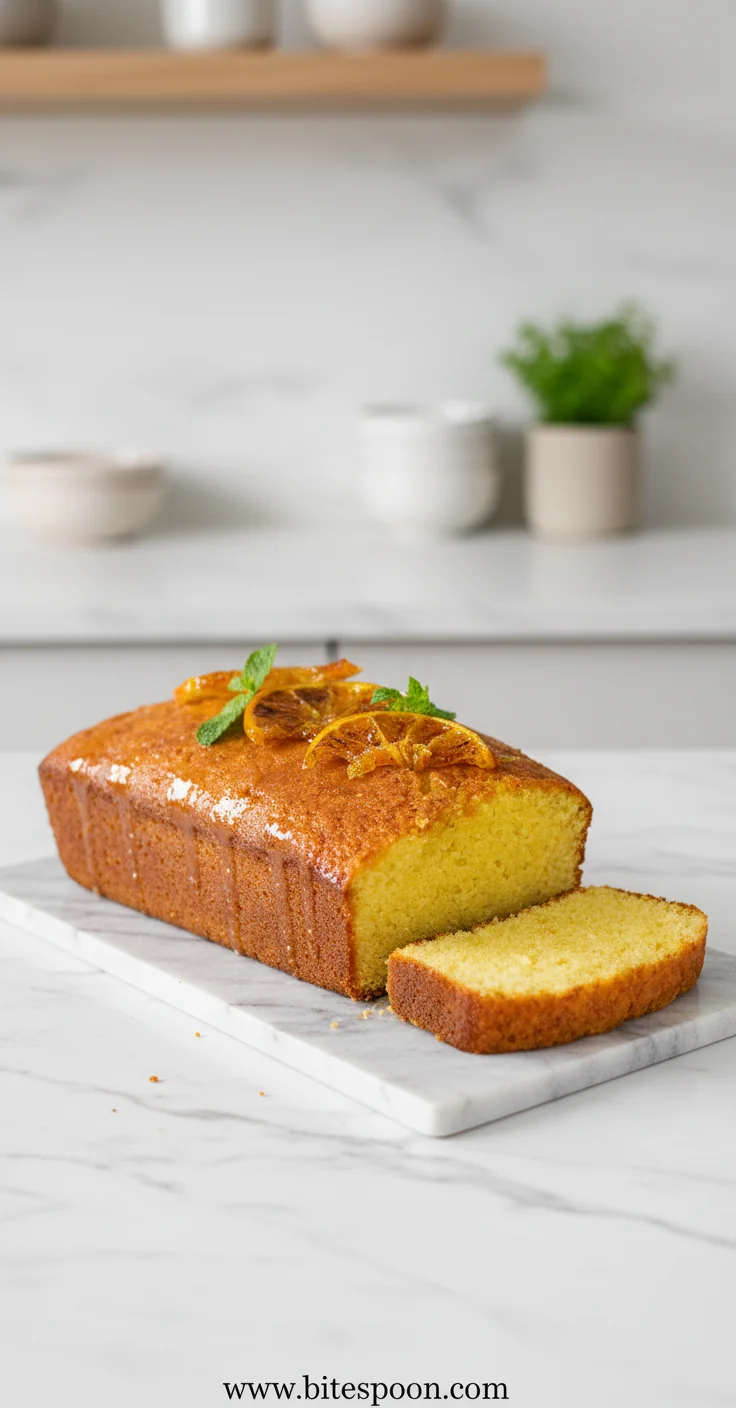
Orange cake traces its roots to early 19th‑century European bakeries, where bright citrus was prized for its ability to lift heavy, dense breads. The introduction of refined sugar and baking powder in the late 1800s allowed bakers to craft lighter, more airy cakes. This evolution gave rise to the modern orange cake, celebrated for its fragrant zest and delicate texture, often enjoyed at tea parties and celebrations worldwide.
Why You'll Love It
-
- Quick prep, under 15 minutes
-
- Moist crumb that stays tender
-
- Bright orange flavor without artificial stuff
-
- Glaze adds a glossy finish that looks professional
"The glaze is like a citrus sunrise on my plate—absolutely divine!"
Essential Ingredient Guide
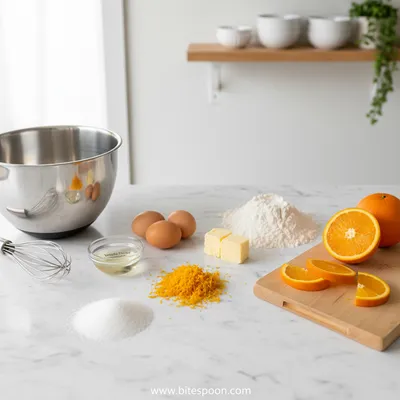
- Fresh oranges: Choose firm, aromatic oranges; zest them before juicing for maximum flavor.
- All‑purpose flour: Sifts well to keep the cake light and airy.
- Granulated sugar: Provides sweetness and helps create a tender crumb.
- Vanilla extract: Adds subtle depth that rounds out the citrus notes.
- Lemon juice: A splash brightens the glaze and balances the sweetness.
- Powdered sugar: Creates the smooth, glossy glaze that coats the cake.
Complete Cooking Process
-
Ingredient Readiness:
Zest the oranges first, then juice them. Sift flour and baking powder together.
-
Flavor Development:
Mix zest, juice, and sugar; the aromatic oils bloom as they dissolve.
-
Texture Control:
Fold wet and dry ingredients gently to keep the batter airy.
-
Finishing Touches:
Drizzle the citrus glaze while the cake is still warm for a shiny coat.
-
Serving Timing:
Let the cake cool slightly, then slice; it’s best served warm or at room temperature.
-
Use room‑temperature eggs for even mixing.
-
Don’t over‑mix; a few lumps are okay.
-
Add a pinch of salt to enhance sweetness.
-
Store leftovers loosely covered to keep moisture.
Pro Tips
Well, these little adjustments make a world of difference. I remember a time when I over‑mixed and the cake turned dense—oops! Now I keep a gentle hand, and the result is that perfect, melt‑in‑your‑mouth texture. It’s those quiet moments in the kitchen that bring the most joy.

The essence of the dish:
The cake’s magic lies in the marriage of fresh orange zest and a tender crumb, giving each bite a burst of sunshine.
A fun fact or historical angle:
During World War II, orange cake became popular in the U.K. because citrus was a morale‑boosting treat for soldiers abroad.
Flavor or sensory focus:
You’ll notice the fragrant citrus aroma first, followed by a silky sweetness that lingers pleasantly on the palate.
You Must Know
-
Measure zest carefully; too much can be bitter.
-
Glaze should be thin enough to coat, not soak.
-
Bake at the center of the oven for even rise.
Frequently Asked Questions
→ Can I use frozen orange juice?
Yes, but fresh juice gives a brighter flavor; if using frozen, let it thaw fully and give it a quick stir.
→ How do I store leftover cake?
Wrap the cake loosely in plastic wrap and keep it at room temperature for up to three days, or refrigerate for a week.
→ Can I make this cake gluten‑free?
Swap all‑purpose flour for a gluten‑free blend; the texture will remain tender.
→ What can I serve with the cake?
A dollop of lightly sweetened whipped cream or a scoop of vanilla ice cream pairs beautifully.
→ How do I prevent the cake from sinking in the middle?
Make sure your oven is fully preheated and avoid opening the door early; the cake needs steady heat to set.
→ Can I add nuts or fruit?
Sure! Chopped almonds or dried orange slices work well; add them after mixing the batter.
Nutrition Facts
per serving
320
Calories
4g
Protein
48g
Carbs
10g
Fat
Taste Profile
Bright and comforting with gentle citrus sweetness
Ingredient Substitutions
Don't have an ingredient? Try these alternatives
May alter flavor slightly; coconut oil adds a subtle richness.
Keeps the cake dairy‑free; may be a touch thinner.
Recipe Variations
Try these delicious twists on the original
Spicy Version
Add a pinch of ground ginger and a drizzle of honey for warmth.
Mediterranean Style
Fold in chopped pistachios and a drizzle of rose water for an exotic twist.
Common Mistakes to Avoid
Learn from others' mistakes for perfect results
- Over‑mixing the batter, leading to a dense crumb.
- Opening the oven door too early, causing a sunken center.
- Using too much glaze, which can make the top soggy.
Meal Prep & Storage
Make Ahead Tips
You can zest the oranges and store the zest in an airtight container for up to a week; the glaze can be mixed ahead and kept refrigerated.
Leftover Ideas
Reheat a slice gently in the microwave for 15 seconds or toast lightly for a warm treat.
Perfect Pairings
Serve this with...
Cooking Timeline
Preheat oven, prepare pan, zest and juice oranges.
Cream butter and sugar, add eggs, then wet ingredients.
Fold in dry ingredients, pour batter into pan.
Bake cake, check doneness, remove and cool.
Mix glaze, drizzle over warm cake, let set.

Best Orange Cake Ever
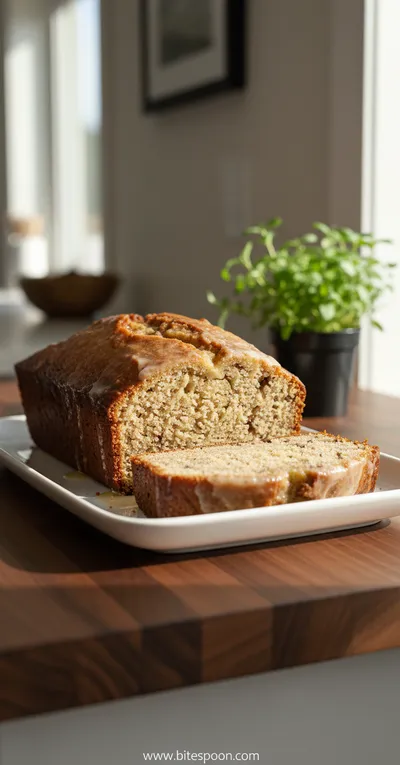
A moist, fluffy orange cake that fills your kitchen with bright citrus aromas, topped with a silky glaze that glistens like sunrise. Perfect for a quick afternoon tea or a celebratory dessert, this cake balances sweet orange zest with a tender crumb, leaving a lingering, comforting warmth that feels like a gentle hug.
Timing
Prep Time
15 Minutes
Cook Time
25 Minutes
Total Time
40 Minutes
Recipe Details
Ingredients
Cake
-
01
2 cups all‑purpose flour
-
02
1 ½ tsp baking powder
-
03
¼ tsp baking soda
-
04
½ tsp salt
-
05
1 cup granulated sugar
-
06
½ cup unsalted butter, softened
-
07
2 large eggs, room temperature
-
08
½ cup fresh orange juice
-
09
Zest of 2 oranges
-
10
¼ cup whole milk
-
11
1 tsp vanilla extract
Citrus Glaze
-
01
1 cup powdered sugar
-
02
2 tbsp fresh orange juice
-
03
1 tsp lemon juice
Instructions
Preheat oven to 350°F (175°C). Grease and flour a 9‑inch round cake pan.
In a bowl, whisk together flour, baking powder, baking soda, and salt.
In a separate bowl, beat butter and sugar until light and fluffy; add eggs one at a time, then stir in orange zest, orange juice, milk, and vanilla.
Gently fold the dry ingredients into the wet mixture until just combined; pour batter into prepared pan.
Bake for 25‑30 minutes, or until a toothpick inserted in the center comes out clean.
While the cake cools, whisk together powdered sugar, orange juice, and lemon juice for the glaze.
Drizzle the glaze over the warm cake; let it set before slicing.
Notes & Tips
-
1
If you prefer a deeper orange flavor, add a tablespoon of orange marmalade to the batter.
-
2
For extra shine, brush the glaze with a tiny bit of melted butter after it sets.
-
3
This cake freezes well; wrap tightly and thaw at room temperature.

Tools You'll Need
-
9‑inch round cake pan
-
Mixing bowls
-
Electric mixer
-
Zester or fine grater
-
Measuring cups and spoons
-
Wire rack
Must-Know Tips
-
Don't over‑mix the batter; it keeps the crumb tender.
-
Let the cake cool on a rack before glazing to avoid a soggy top.
-
Taste the glaze and adjust with more juice if too thick.
Professional Secrets
-
Room temperature butter emulsifies better, giving a smoother batter.
-
Sift flour to incorporate air and avoid lumps.
-
Glaze applied to a warm cake absorbs and sets perfectly.

Recipe by
Alexa CarterFast food, but smarter 🔥🍽️ Bold flavors, simple steps, and meals that always hit the spot 😎
Get Delicious Recipes Weekly
Join 25,000+ home cooks getting our best recipes straight to their inbox.
Free forever • No spam • Unsubscribe anytime