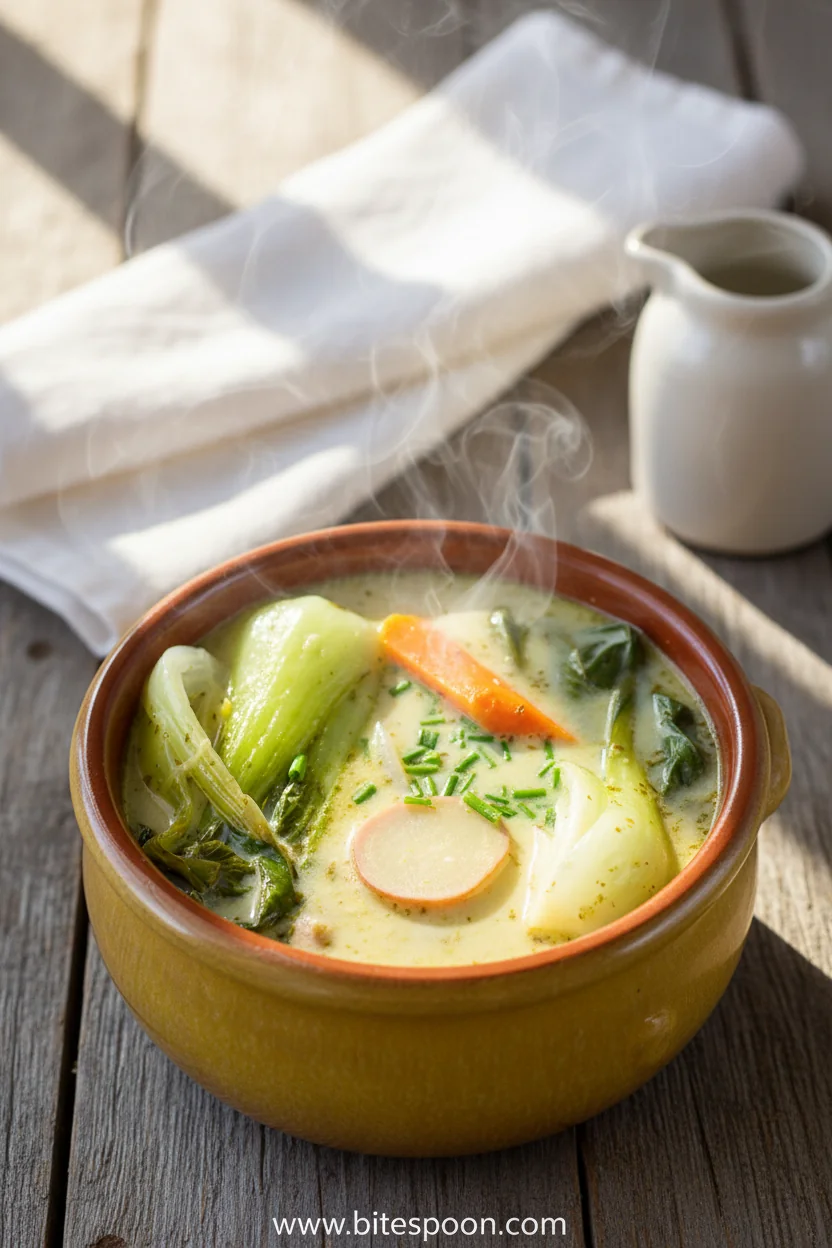
Cream-based vegetable soups have roots in European culinary traditions, where pureed soups became a staple for their ability to turn simple garden harvests into elegant, nourishing meals. The technique of simmering vegetables until tender, then blending them smooth, allows the natural sweetness and earthiness of each ingredient to shine through. This method creates a soup that feels both rustic and refined, a bowl of comfort that has warmed generations.
Why You'll Love It
-
It’s incredibly quick to make, ready in under 30 minutes.
-
Uses simple, pantry-friendly vegetables you likely already have.
-
The creamy, smooth texture is pure comfort in a bowl.
-
It’s easily adaptable—add different veggies or herbs to make it your own.
"This soup is so velvety and satisfying—it’s become a weekly staple in our house!"
Essential Ingredient Guide
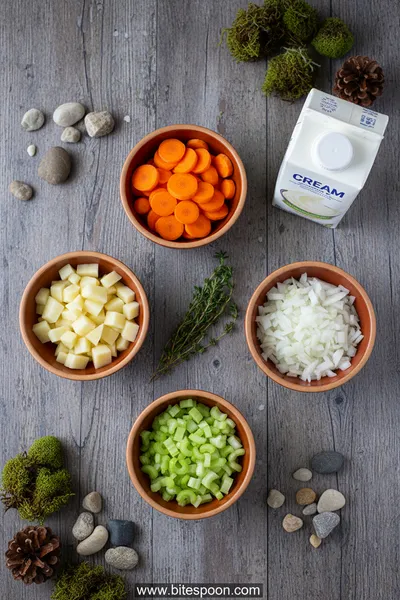
- Potatoes: They break down beautifully to create the soup’s base and natural thickness. Use starchy potatoes like Russets for the creamiest result.
- Carrots: Bring a gentle sweetness and beautiful color. No need to peel them perfectly—just a good scrub is fine.
- Celery: Adds a subtle, savory depth. I like to include the leaves for a little extra flavor.
- Heavy Cream: Stirred in at the end, it gives the soup its signature rich, velvety finish. Don’t let it boil after adding.
- Onion: The foundation of flavor. A slow, gentle sauté makes all the difference.
- Vegetable Broth: Use a good-quality broth, as it forms the liquid base of the soup.

Complete Cooking Process
-
Ingredient Readiness:
Chopping the vegetables into similar-sized pieces is key here, so they all cook at the same rate. It’s a quiet, rhythmic task that I find quite calming.
-
Flavor Development:
This happens when you sauté the onion and celery. That sizzle in the pot, the way the kitchen starts to smell like home—that’s where the soul of the soup begins.
-
Texture Control:
Simmering the potatoes and carrots until they’re fork-tender is crucial. They need to be soft enough to blend into a perfectly smooth puree.
-
Finishing Touches:
Blending is the magic step. You can use an immersion blender right in the pot, which is less mess, honestly. Then, the cream goes in last, just to warm through.
-
Serving Timing:
This soup is best served immediately, while it’s steaming hot. It’s the kind of comfort that doesn’t like to wait.
-
For an extra silky texture, blend the soup in batches using a standard blender.
-
If the soup is too thick after blending, thin it with a little more broth or water.
-
Taste for seasoning after blending—the flavors change once everything is pureed.
-
A pinch of nutmeg added with the cream is a lovely, warming touch.
Pro Tips
You know, making a soup like this reminds me of how good simple food can be. There’s no fancy technique, just patience and good ingredients. It’s the kind of meal that feels like it’s taking care of you. I remember making a big batch of this on a rainy Tuesday last fall. My son came in from school, damp and a little tired, and the whole house smelled like warmth. He sat right down at the table without even being asked. That’s the power of a good soup, I think. It doesn’t just fill your stomach; it settles your soul. And the best part is, with other quick dinner ideas out there, you can rotate this soup into your menu without any stress.

The essence of the dish:
It’s all about that seamless, velvety texture and the gentle, combined flavor of the vegetables. It’s humble food made elegant.
A fun fact or historical angle:
Pureed soups became popular in French cuisine in the 18th century, celebrated for their refined consistency and ability to showcase seasonal produce.
Flavor or sensory focus:
The first thing you’ll notice is the warmth and the smoothness. Then, the sweet notes from the carrot and potato come through, balanced by the savory broth.
You Must Know
-
Always let the soup cool slightly before blending to avoid pressure build-up.
-
Fresh herbs like thyme or parsley can be added with the vegetables for more flavor.
-
This soup can be made ahead and reheated gently on the stove.
Frequently Asked Questions
→ Can I freeze this cream of vegetable soup?
You can, but the texture of the cream might change slightly upon thawing. For best results, freeze the soup before adding the cream, then stir it in when you reheat.
→ What other vegetables can I add?
Cauliflower, sweet potato, or peas would all be lovely additions. Just adjust the cooking time if needed so everything gets tender.
→ My soup is too thin. How can I thicken it?
Let it simmer uncovered for a few more minutes to reduce. You can also add a small, peeled potato and blend it in.
→ Can I make this soup dairy-free?
Absolutely. Substitute the heavy cream with coconut milk or a unsweetened plant-based cream for a similar richness.
→ Do I have to use an immersion blender?
No, a standard countertop blender works great. Just be sure to blend in batches and vent the lid to allow steam to escape.
→ What's the best way to reheat leftovers?
Gently on the stovetop over low heat, stirring often. Avoid boiling to prevent the cream from separating.

Nutrition Facts
per serving
220
Calories
4g
Protein
25g
Carbs
12g
Fat
Taste Profile
A balanced, savory-sweet flavor profile with a rich, creamy finish.
Ingredient Substitutions
Don't have an ingredient? Try these alternatives
The soup will be slightly less rich, but still delicious.
Will create a lighter soup with a slightly different flavor.
Recipe Variations
Try these delicious twists on the original
Curried Vegetable Soup
Add a tablespoon of curry powder when sautéing the onions for a warm, spiced version.
Broccoli Cheddar Style
Add a cup of broccoli florets with the other veggies and stir in shredded cheddar cheese at the end instead of cream.
Common Mistakes to Avoid
Learn from others' mistakes for perfect results
- Boiling the soup vigorously after adding the cream, which can cause it to curdle.
- Not cooking the vegetables until they are completely soft, resulting in a grainy texture.
- Overfilling the blender with hot soup, which can be dangerous.
Meal Prep & Storage
Make Ahead Tips
You can chop the vegetables a day ahead and store them in an airtight container in the refrigerator. The fully cooked soup can also be made 1-2 days in advance and reheated gently.
Leftover Ideas
Reheat leftovers gently on the stovetop over low heat, stirring occasionally. You may need to add a splash of broth or water if it has thickened.
Perfect Pairings
Serve this with...
Cooking Timeline
Chop all vegetables.
Sauté onion and celery until softened.
Add remaining ingredients and simmer until vegetables are tender.
Blend the soup until smooth.
Stir in cream, warm through, and serve.
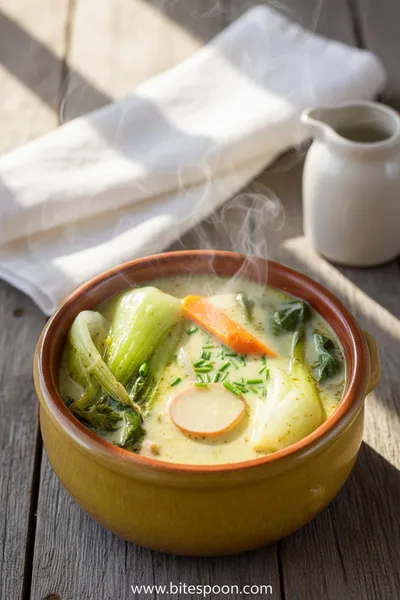
Cream of Vegetable Soup Recipe
This wonderfully smooth cream of vegetable soup comes together in about half an hour, making it the perfect bowl of comfort for any busy day. Packed with carrots, potatoes, and celery simmered until tender, then blended with a touch of cream for that velvety texture we all crave.
Timing
Prep Time
10 Minutes
Cook Time
20 Minutes
Total Time
30 Minutes
Recipe Details
Ingredients
Vegetable Base
-
01
2 tablespoons butter or olive oil
-
02
1 medium yellow onion, chopped
-
03
2 ribs celery, chopped
-
04
3 medium carrots, chopped
-
05
2 medium potatoes, peeled and diced
-
06
4 cups vegetable broth
-
07
1 teaspoon salt
-
08
1/2 teaspoon black pepper
For Finishing
-
01
1/2 cup heavy cream
-
02
Fresh parsley or chives for garnish (optional)
Instructions
In a large pot, melt the butter over medium heat. Add the chopped onion and celery. Cook, stirring now and then, for about 5 minutes, until they’ve softened and smell fragrant.
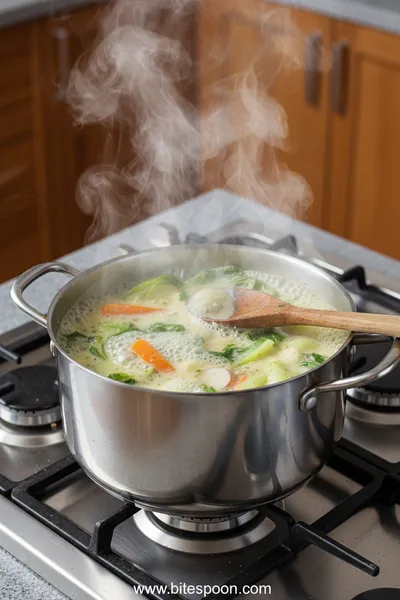
Add the chopped carrots and potatoes to the pot. Pour in the vegetable broth and add the salt and pepper. Bring it to a boil, then reduce the heat to a simmer. Cover the pot and let it cook for 15-20 minutes, until the potatoes and carrots are completely tender when pierced with a fork.
Turn off the heat. Carefully use an immersion blender to puree the soup right in the pot until it’s completely smooth. If you're using a standard blender, let the soup cool slightly, then blend in batches, venting the lid.
Return the pureed soup to the pot if you used a blender. Stir in the heavy cream. Warm it over low heat for just a minute or two—do not let it boil. Taste and adjust seasoning if needed.
Ladle the soup into bowls, garnish with a sprinkle of fresh herbs if you like, and serve immediately. It’s wonderful with a slice of crusty bread for dipping.
Notes & Tips
-
1
For a richer flavor, you can sauté the vegetables in a mix of butter and a little olive oil.
-
2
If you don't have an immersion blender, a regular blender works perfectly—just be cautious with the hot liquid.
-
3
Leftovers will keep in the fridge for up to 3 days.

Tools You'll Need
-
Large soup pot
-
Immersion blender or standard blender
-
Cutting board
-
Sharp knife
-
Ladle
-
Measuring cups and spoons
Must-Know Tips
-
Don't rush the sautéing of the onions and celery—this builds the flavor foundation.
-
Let the vegetables become very tender before blending for the smoothest texture.
-
Taste the soup after blending and adding cream, as you may want a bit more salt or pepper.
Professional Secrets
-
A splash of white wine added with the vegetables can add a lovely depth of flavor (alcohol-free substitute: a tablespoon of white wine vinegar).
-
A bay leaf added during simmering infuses a subtle, aromatic note—just remember to remove it before blending.
-
For a super luxurious finish, stir in a tablespoon of butter at the very end.

Recipe by
Alexa CarterFast food, but smarter 🔥🍽️ Bold flavors, simple steps, and meals that always hit the spot 😎
Get Delicious Recipes Weekly
Join 25,000+ home cooks getting our best recipes straight to their inbox.
Free forever • No spam • Unsubscribe anytime