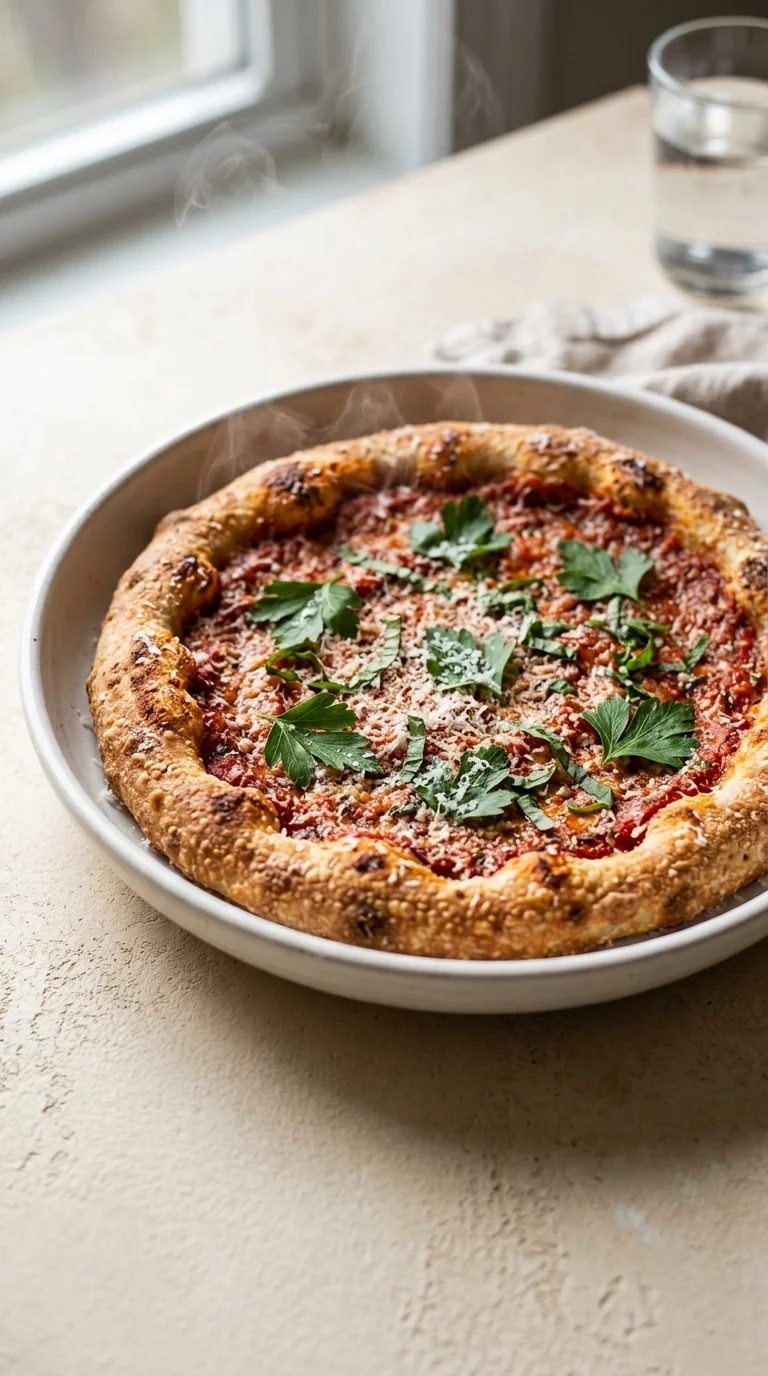
The art of sourdough is one of humanity's oldest culinary traditions, rooted in the wild yeasts that float in the air and settle into flour and water. For centuries, these living cultures provided the rise and the distinct, tangy flavor that defined the breads of ancient Egypt and Europe, long before commercial yeast became a pantry staple.
Pizza itself evolved from these humble beginnings in Naples, where simple flatbreads were topped with whatever was available. The marriage of sourdough techniques with pizza dough creates a complex fermentation process, breaking down nutrients and adding a depth of flavor that a quick-rise dough simply cannot match.
Adapting this tradition into a gluten-free sourdough pizza crust requires a thoughtful blend of ingredients to mimic that classic elasticity. By using a gluten-free all-purpose flour blend and the acidity of the discard, the crust achieves a structural integrity and a fermented profile that honors the original Neapolitan spirit while remaining accessible to everyone.
Why You'll Love It
-
- Honestly, getting that real sourdough tang without the gluten is just wonderful, it reminds me of the old bakeries downtown.
-
- It's just so easy to pull together, and wow, that crispy edge combined with a chewy center is exactly what a pizza should be.
-
- I love that it uses up 1 cup sourdough discard, so nothing goes to waste in my kitchen, which always feels right.
-
- It's a gentle, comforting base that doesn't overpower your favorite toppings, so yeah, it's a real crowd-pleaser for family night.
"I honestly couldn't believe it was gluten-free. The crunch is just right, and it tastes so authentic!"
Essential Ingredient Guide
- 1 cup sourdough discard (240 mL): This is where the soul of the crust lives. I find that using discard gives it such a lovely, reflective depth of flavor that you just can't get from flour alone.
- 1 cup gluten‑free all‑purpose flour blend (125 g): Look for a blend that feels smooth to the touch. It provides the structure we need, so the crust stays firm enough to hold all those yummy toppings.
- 2 tbsp extra‑virgin olive oil (30 mL): A little bit of good oil makes the dough feel supple. It helps the edges brown beautifully in the oven, giving it that golden glow I just love.
- 1 tsp salt (5 g): Don't skip this, really. It wakes up all the other flavors and keeps the sourdough from tasting too flat, just a simple pinch of balance.
- 1 cup warm water (240 mL): Make sure it's just warm, not hot, or you'll scare away the yeast. It's the gentle wake-up call the dough needs to get moving.
- 1 tsp sugar (4 g): Just a tiny bit to feed the yeast and help with the browning. It doesn't make the crust sweet, but it adds a subtle, rounded warmth to the taste.
Complete Cooking Process
-
Getting Ready:
I like to get the 1 cup warm water and 1 tsp sugar mixed with the yeast first. Letting it sit for a few minutes until it's foamy is just a quiet way to make sure everything is working before we dive in.
-
Building the Flavor:
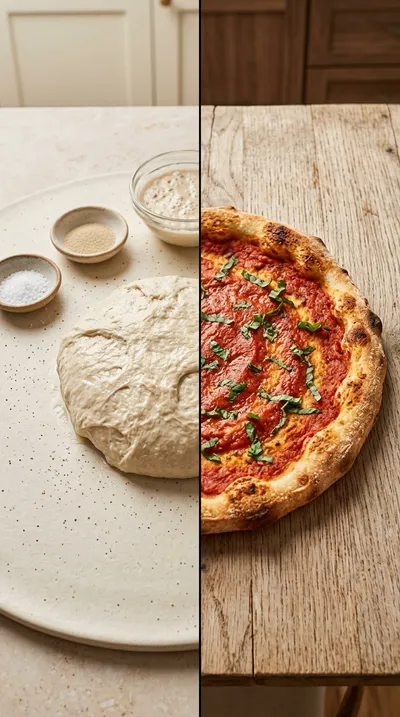
When you stir the 1 cup sourdough discard into the flour and salt, the magic starts. That tangy aroma begins to bloom, and the dough takes on a lovely, rustic character.
-
Managing the Texture:
The dough will be a bit sticky—oops, don't let that worry you! Letting it rest for 15 minutes allows it to settle, making it much easier to shape into those nice, flat circles.
-
The Final Crisp:
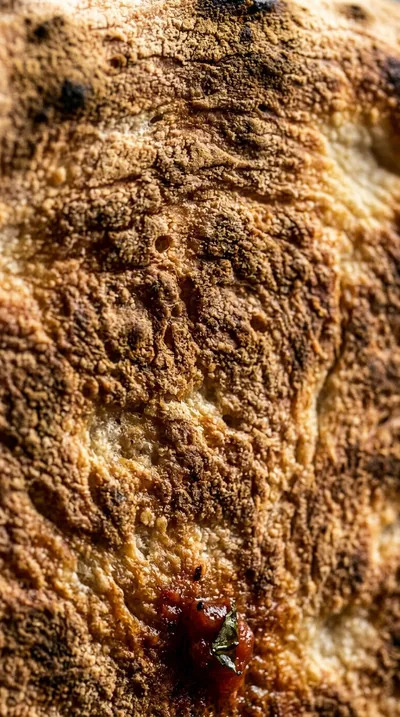
Baking on a preheated stone is my secret for that professional crunch. Once the edges are golden-brown, it's just a matter of adding toppings and a quick return to the oven.
-
The Perfect Moment:
I always let the crust cool for 5 minutes before adding sauce. It keeps the base from getting soggy, so you get that perfect bite every single time.
-
Brush the raw crust lightly with a little olive oil for an extra crisp exterior.
-
If you're in a hurry, you can skip the resting step, though it might be a bit less airy.
-
For a thicker, pan-pizza style, roll the dough to about ¼-inch thickness.
-
Keep your edges slightly thicker when shaping to prevent any little cracks from forming.
Pro Tips
Just take your time and enjoy the process, your kitchen is going to smell wonderful.
Better For You Treats
It's such a relief to have a crust that's safe for gluten intolerances but still feels indulgent. With only about 140 kcal per crust and the probiotic goodness from the 1 cup sourdough discard, it feels like a mindful choice for the family.
Ways to Make it Your Own
I sometimes stir 1 teaspoon mixed dried herbs into the dough for a fragrant, earthy twist. Or, if you're feeling adventurous, try replacing the flour with ¾ cup chickpea flour and ¼ cup oat flour for a nutty, protein-rich base.
Serving Suggestions
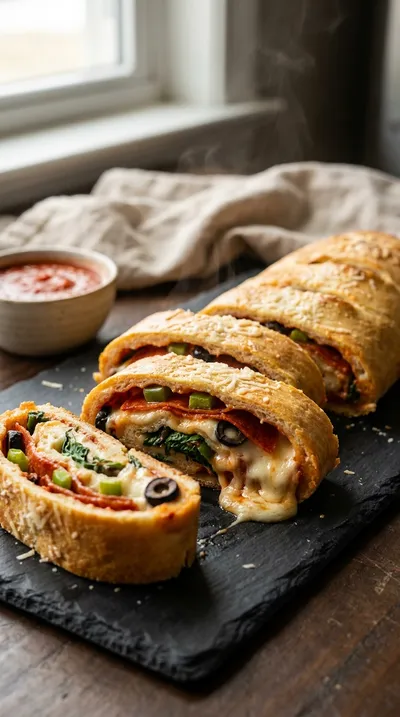
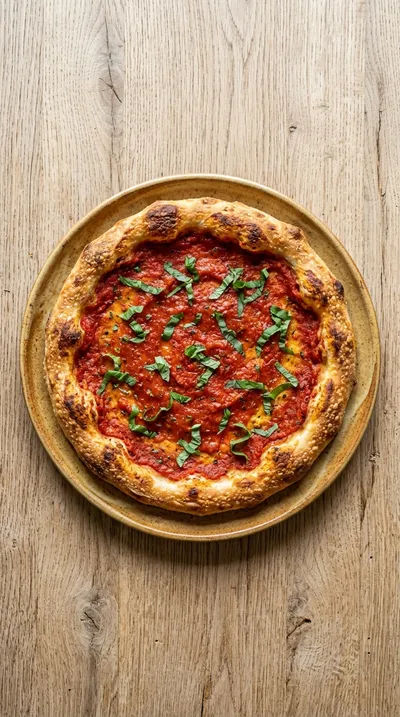
A classic Margherita with fresh basil is always a winner in my house. But look, you can also fill them with ricotta and spinach to make mini calzones, or top them with pepperoni and a drizzle of balsamic for something a bit fancier.
Frequently Asked Questions
→ What if my dough is too sticky to handle?
Well, gluten-free dough just behaves differently, so don't panic. Just use your hands or a rolling pin right on the parchment paper to shape it.
→ Can I make these ahead of time?
Oh, absolutely. You can freeze the unbaked portions wrapped in parchment; just thaw them overnight in the fridge and bake them a bit longer.
→ Do I really need a pizza stone?
It helps a lot for that crispiness, but a heavy baking sheet works just fine too. Just make sure it's preheated if you can!
Nutrition Facts
per serving
140
Calories
4g
Protein
22g
Carbs
4g
Fat
Taste Profile
A balanced, savory crust with a subtle, characteristic sourdough tang.
Ingredient Substitutions
Don't have an ingredient? Try these alternatives
Works well for a more neutral flavor.
Adds a slightly different sweetness to feed the yeast.
Must be bloomed in warm water first.
Recipe Variations
Try these delicious twists on the original
Herb‑Infused Sourdough Crust
For a fragrant twist, stir in 1 teaspoon of mixed dried herbs like rosemary, oregano, and thyme into the dough before you bake.
Protein‑Rich Chickpea Crust
If you want something heartier, replace the gluten‑free flour with 3/4 cup chickpea flour and 1/4 cup oat flour for a nuttier flavor.
Common Mistakes to Avoid
Learn from others' mistakes for perfect results
- Rolling the edges too thin, which leads to cracking in gluten‑free dough.
- Adding toppings to raw dough, which results in a soggy center.
- Using water that is too hot, which can kill the instant dry yeast.
Meal Prep & Storage
Make Ahead Tips
You can freeze unbaked dough portions individually wrapped in parchment and a zip‑lock bag. Just thaw overnight in the fridge or at room temperature before baking.
Leftover Ideas
Store leftover cooked crusts in a sealed bag for 2 days. Reheat in a 350 °F (177 °C) oven for 5 minutes to bring back that crispness.
Perfect Pairings
Serve this with...
Cooking Timeline
Preheat oven and prepare the yeast bloom mixture.
Mix sourdough discard, flour, and salt; stir in the yeast mixture.
Let the dough rest covered at room temperature.
Divide and shape dough into four circles on parchment.
Bake the crusts and then add toppings for a final melt.
Gluten-Free Sourdough Pizza Crust – Crispy and Easy
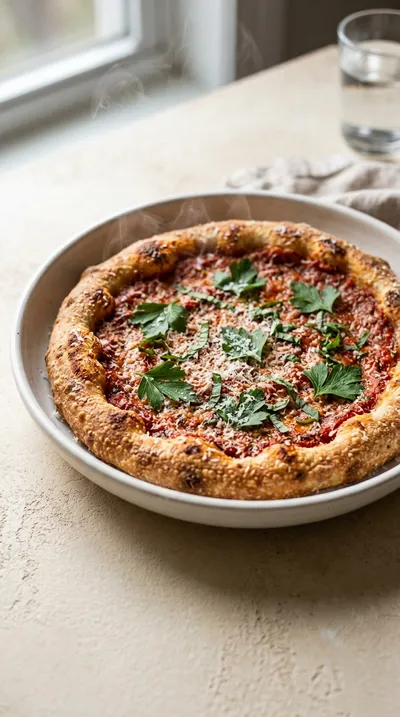
Enjoy the comforting aroma of a toasted, golden base with this gluten-free sourdough pizza crust. It has a lovely, subtle tang and a satisfying crunch that makes every slice feel like a treat.
Timing
Prep Time
20 Minutes
Cook Time
15 Minutes
Total Time
35 Minutes
Recipe Details
Ingredients
Main Ingredients
-
01
1 cup sourdough discard (240 mL)
-
02
1 cup gluten‑free all‑purpose flour blend (125 g)
-
03
1 cup warm water (240 mL)
-
04
2 tbsp extra‑virgin olive oil (30 mL)
-
05
1 tsp salt (5 g)
-
06
1 tsp sugar (4 g)
-
07
1 tsp instant dry yeast (4 g)
Instructions
First things first, let's get that oven heating up to 475 °F (246 °C). Now, if you have a pizza stone, slide it in there and let it get nice and hot for at least 20 minutes. It makes such a difference, honestly.
In a small bowl, gently stir together your warm water, sugar, olive oil, and instant dry yeast. Just let it sit for 2‑3 minutes. You're looking for it to become slightly foamy‑that's how you know the yeast is waking up.
Grab a larger bowl and pour in your sourdough discard. Go ahead and add the gluten‑free all‑purpose flour blend and the salt. Just a simple mix for now.
Make a little well in the center of those dry ingredients and pour in your foamy yeast mixture. Use a whisk to stir it all together until a rough dough forms. Well, look, it will be sticky, but that's okay‑it's still manageable.
Cover your bowl with a damp towel or some plastic wrap. Let the dough just relax at room temperature for about 15 minutes. The sourdough discard gives it a lovely, gentle rise while you take a breather.
Divide your dough into four equal portions. Right on your parchment paper, shape each one into a flat circle using your hands or a rolling pin. Just be careful to keep the edges a bit thicker so they don't crack on you.
Carefully move your parchment‑cooked crusts onto that preheated pizza stone or a baking sheet. Bake them for 12‑15 minutes. You'll know they're done when the edges are a beautiful golden‑brown and the crust feels firm.
Take them out of the oven and let them cool for 5 minutes. Now comes the fun part‑add your favorite sauce, cheese, and toppings. Pop them back in for another 3‑5 minutes just to get that cheese melted and bubbly.
Notes & Tips
-
1
The sourdough discard provides a lovely tang and a bit of lift without needing a long ferment.
-
2
Using parchment paper is a lifesaver with gluten-free dough since it can be so sticky.
-
3
A preheated pizza stone really helps achieve that professional, crispy bottom.
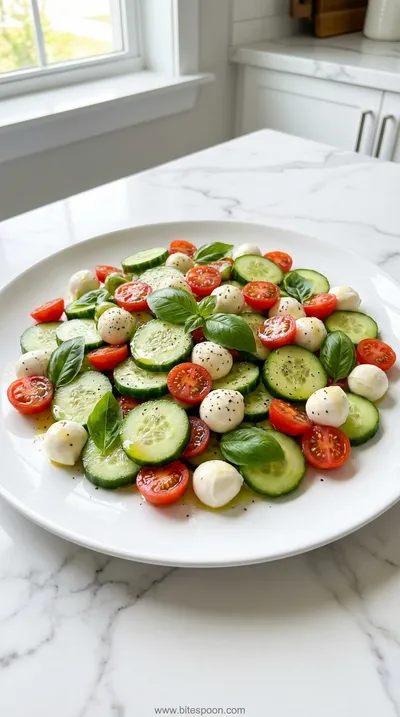 Snacks, Appetizers & Fun Bites
Quick Cucumber Mozzarella Salad
A quick, crisp cucumber and mozzarella salad with a hint of sweet vinaigrette.
Tools You'll Need
-
Large mixing bowl for combining dough
-
Whisk for blending the yeast mixture
-
Measuring cups and spoons for precision
-
Towel or plastic wrap for resting the dough
-
Pizza stone or heavy baking sheet for a crisp base
-
Parchment paper to prevent sticking
-
Rolling pin or hand‑press for shaping
-
Oven for baking
Must-Know Tips
-
Olive oil brush, brush the raw crust lightly with olive oil before baking for an extra crisp exterior.
-
Resting time, you can skip the 15-minute rest if you're in a rush, but the dough might be slightly less airy.
-
Thickness control, if you like a pan‑pizza style, roll the dough to about 1/4-inch thickness.
Professional Secrets
-
The 'foam test' with yeast ensures your dough will actually rise before you commit the flour.
-
Keeping edges thicker prevents the structural cracks common in gluten‑free baking.
-
The two-stage bake (crust first, then toppings) ensures the center doesn't get soggy.
What readers are saying
Community reviews from home cooks like you
So easy and delicious. I really liked how the 1 cup sourdough discard (240 mL) and 1 cup gluten‑free all‑purpose flour blend (125 g) came together. Perfect as written.
This was a hit with my family. I really liked how the 1 cup sourdough discard (240 mL) and 1 cup gluten‑free all‑purpose flour blend (125 g) came together. Perfect as written.
So easy and delicious. I really liked how the 1 cup sourdough discard (240 mL) and 1 cup gluten‑free all‑purpose flour blend (125 g) came together. Perfect as written.
The flavors were spot on. I really liked how the 1 cup sourdough discard (240 mL) and 1 cup gluten‑free all‑purpose flour blend (125 g) came together. Perfect as written.
The flavors were spot on. I really liked how the 1 cup sourdough discard (240 mL) and 1 cup gluten‑free all‑purpose flour blend (125 g) came together. My oven needed an extra 5 minutes. Thanks for sharing this one!
I wanted to love this dish, but it didn't quite work for me. The texture was a touch off, but the flavor saved it. I think with some tweaks it could be really good.
This exceeded my expectations. I really liked how the 1 cup sourdough discard (240 mL) and 1 cup gluten‑free all‑purpose flour blend (125 g) came together. Will be making this regularly.
The flavors were spot on. I really liked how the 1 cup sourdough discard (240 mL) and 1 cup gluten‑free all‑purpose flour blend (125 g) came together. The texture was a touch off, but the flavor saved it. Saving this for later.
This exceeded my expectations. I really liked how the 1 cup sourdough discard (240 mL) and 1 cup gluten‑free all‑purpose flour blend (125 g) came together. The texture was a touch off, but the flavor saved it. Thanks for sharing this one!

Recipe by
Sofia RiveraExploring the world through food 🌍🍲 Rich flavors, exciting dishes, and endless culinary inspiration ✨
Get Delicious Recipes Weekly
Join 25,000+ home cooks getting our best recipes straight to their inbox.
Free forever • No spam • Unsubscribe anytime