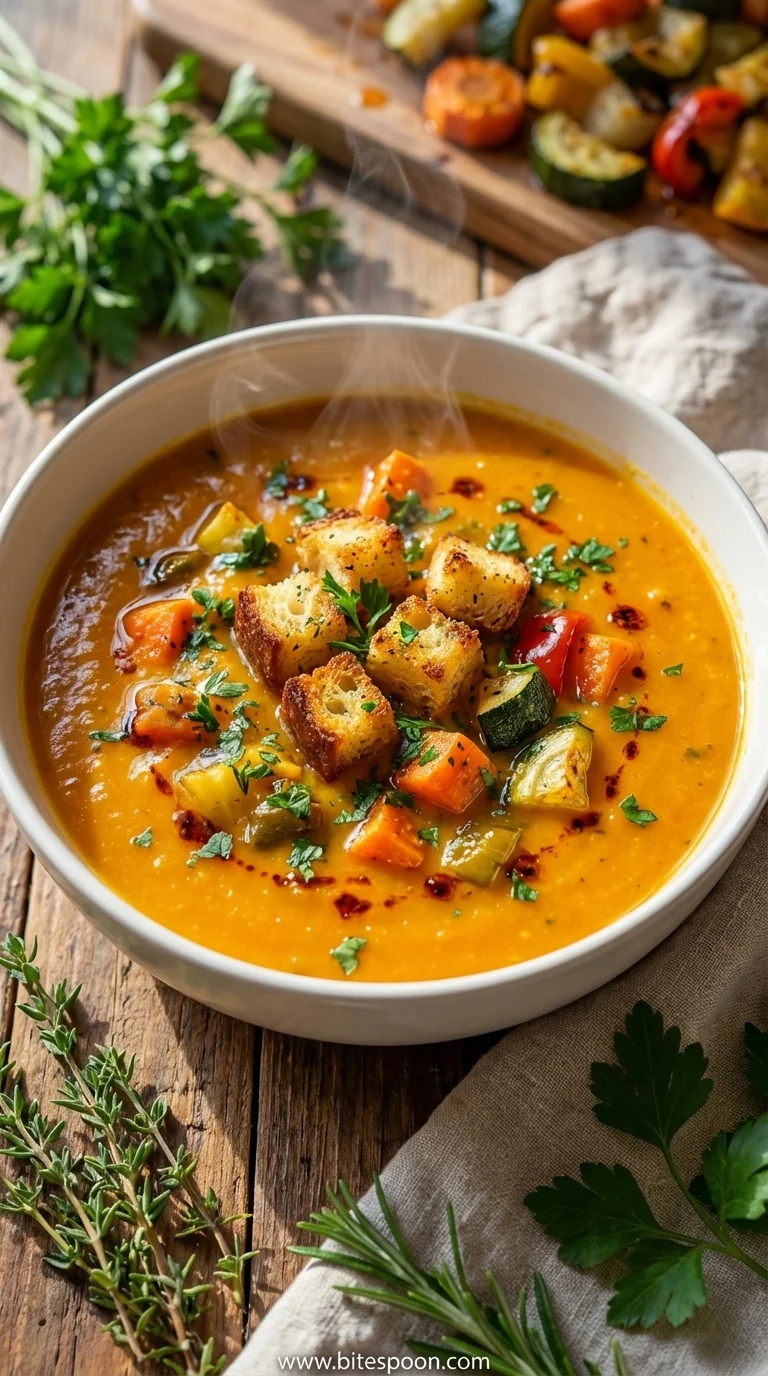
My grandmother used to say that soup was the most honest food—it couldn't hide its imperfections, but it could transform humble ingredients into something truly nourishing. I think of her every time I chop vegetables for this soup. She had this old cast iron pot that she'd use, and while I use a regular roasting pan now, the principle remains the same. It's all about patience, about letting time and heat work their gentle magic.
I'll never forget the first time I served this to my book club ladies. They're all busy working moms like me, and when they walked in smelling that rich, roasted aroma, their shoulders just dropped. Like, literally relaxed. One of them said it smelled like 'coming home,' and honestly, that's the best compliment I've ever received. Dang, it's more than just soup—it's comfort in a bowl.
The vegetables get all jammy and sweet in the oven, their edges caramelizing into these little crispy bits that hold so much flavor. When you blend them into the broth, they create this velvety texture that just wraps around you. I mean, it's the kind of food that makes you want to curl up on the couch with a blanket, you know?
Every time I make this now, I think about how something so simple can feel so luxurious. It's my go-to when someone's feeling under the weather, when the weather turns cold, or honestly, just when I need a little hug from the inside out. The best part? Leftovers taste even better the next day.
Why You'll Love It
-
Deep roasted flavor - The vegetables caramelize in the oven, developing this incredible sweetness that makes the broth rich and complex without needing any fancy ingredients. Honestly, it's like they undergo this beautiful transformation—the carrots get jammy, the zucchini turns tender, and the onions become melt-in-your-mouth sweet. I love how the roasting process coaxes out flavors you didn't even know were there.
The smell alone is worth it, filling your kitchen with this warm, comforting aroma that just makes everything feel right. Yeah, it's one of those recipes where the process is almost as rewarding as the eating.
-
Comfort in a bowl - There's something so nurturing about a bowl of homemade soup, especially when it's cold outside or you're feeling a bit under the weather. This soup feels like a warm blanket for your soul—hearty enough to be satisfying but light enough that you don't feel weighed down afterwards.
I've made this for friends after they've had a tough week, and it always seems to hit the spot. It's the kind of food that says 'I care about you' without needing words. Wow, food really is love, isn't it?
-
Perfect for using up veggies - If your fridge is looking a bit sad with those lingering vegetables, this soup is your salvation. I've made it with everything from slightly wilted carrots to zucchini that's seen better days. The roasting revives them somehow, bringing out their best qualities.
It's also great for those times when you've overbought at the farmer's market or your garden is overflowing. Honestly, I've thrown in sweet potatoes, parsnips, even some cauliflower—they all work beautifully. Dang, it's the most forgiving recipe I know.
-
Easy and forgiving - Unlike some recipes where timing is everything, this soup is wonderfully flexible. If you roast the veggies a little longer, they just get more caramelized. If you simmer the broth a bit extra, it becomes more concentrated. I mean, I've forgotten it on the stove more than once, and it's always turned out fine.
It's the kind of recipe that doesn't require you to stand over it constantly. You can pop the veggies in the oven, go fold some laundry, check your email, and come back to something magical. Perfect for busy weeknights.
"This soup felt like a warm hug on a rainy day. My whole family asked for seconds, and my picky eater actually finished his bowl!" - Sarah, mom of three
Essential Ingredient Guide
- Carrots: Look for carrots that feel firm and have that bright orange color—they should smell sweet and earthy when you peel them. I like to cut them into roughly equal-sized chunks so they roast evenly. The sugars caramelize so beautifully, giving the soup this deep, sweet base note that balances everything else. If you can find rainbow carrots, they add such a pretty color to the soup, though regular carrots work just as well. Honestly, sometimes I'll add an extra carrot or two if I want the soup a bit sweeter.
- Zucchini: Fresh zucchini should feel heavy for its size and have smooth, unblemished skin. I slice them into half-moons about half an inch thick—thin enough to roast quickly but thick enough to hold their shape. The zucchini adds this lovely moisture and lightness to the soup. If you've got extra zucchini from your garden, this is the perfect way to use it. I often make zucchini noodles earlier in the week and use the leftover zucchini here. They roast up beautifully.
- Onion: I prefer yellow onions for their balanced sweetness, but red onions work too if that's what you have. Cut them into wedges so they caramelize in big, sweet pieces. The roasting transforms their sharp bite into this mellow, almost sweet flavor that forms the backbone of the soup. Don't worry about perfect cuts—the veggies get blended anyway. I often think about how my grandmother would chop onions with this practiced ease, her hands moving without even looking. Yeah, it's one of those kitchen memories that stays with you.

Complete Cooking Process
-
Preparation:
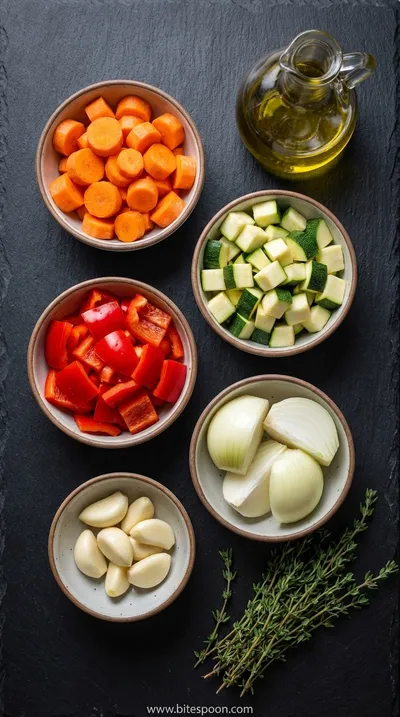
First, I wash all the vegetables thoroughly, letting the water run over them until they glisten. There's something meditative about prepping veggies—the steady rhythm of chopping, the way the knife feels in my hand. I cut the carrots into thick coins, the zucchini into half-moons, and the onion into wedges.
I drizzle everything with olive oil, and honestly, I use my hands to toss it all together. There's no better way to make sure every piece gets coated. The vegetables feel cool and slightly damp under my fingers, and the olive oil makes them shine.
I spread them out on the baking sheet in a single layer, giving them space to breathe. Crowding would steam them instead of roasting, and we want those beautiful caramelized edges. Yeah, this step is crucial for getting that deep flavor.
-
Roasting:
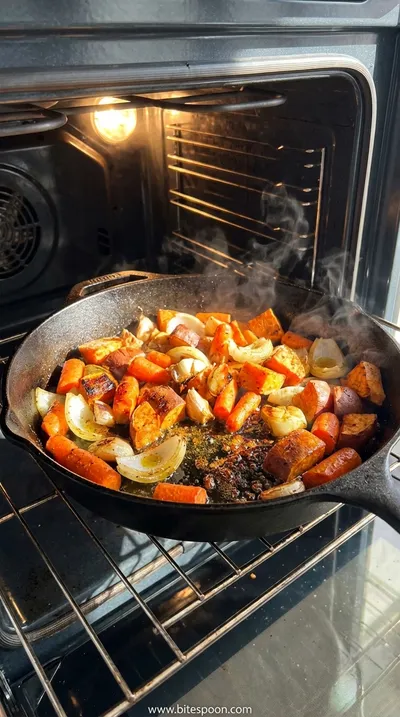
The oven preheats to 400°F, and I love that warm breath of air when I open the door. I slide the baking sheet in and set the timer for 25 minutes. The smell starts to fill the kitchen after about 10 minutes—first earthy, then sweet, then this incredible roasted aroma that makes my stomach growl.
I give the veggies a stir halfway through, and wow, you can already see them transforming. The edges are getting golden, the zucchini is softening, the carrots are becoming tender. This is where the magic happens—where simple vegetables become something extraordinary.
The roasting time might vary depending on your oven and how small you cut the vegetables, so I always check for that perfect caramelization. You want some dark golden spots but not burned. Dang, it's worth waiting for.
-
Blending:
Once the vegetables are beautifully roasted, I transfer them to my blender. They're hot and fragrant, steaming up the glass. I add vegetable broth—just enough to cover them—and blend until smooth. The sound changes as it goes from chunky to velvety, this satisfying whir that means perfection.
I taste and adjust seasoning, maybe adding a bit more salt or pepper. The soup should be thick but pourable—you can always add more broth if it's too thick. I love how the color turns this beautiful muted orange from the carrots.
Sometimes I'll blend it super smooth, other times I leave it a bit chunky if we're in the mood for texture. Honestly, both ways are delicious. It's one of those flexible recipes that adapts to your mood.
-
Don't overcrowd the pan - Give the vegetables space to roast properly. If they're too close, they'll steam instead of caramelize, and we want those delicious browned bits.
-
Roast until deeply golden - The deeper the color, the more flavor your soup will have. Don't be afraid of a few dark spots—they add character.
-
Taste as you blend - Adjust seasoning gradually. The vegetables and broth already have salt, so add sparingly until it's just right for you.
Pro Tips
These little touches make such a difference in the final result. I've learned through trial and error—like the time I overcrowded the pan and ended up with steamed veggies instead of roasted. Live and learn, right?
Making It Your Own
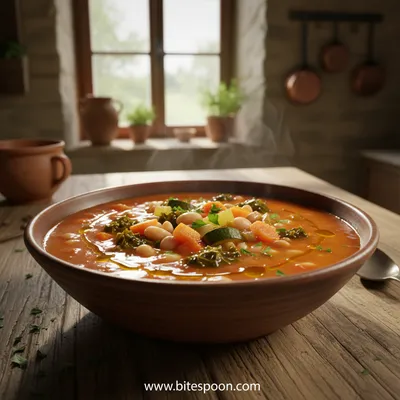
This soup is wonderfully adaptable—I've made it with so many different vegetable combinations. Sometimes I'll add a sweet potato for extra creaminess, or some cauliflower florets for a lighter version. If I'm feeling fancy, I'll swirl in a spoonful of pesto at the end.
The beauty of this recipe is how it welcomes whatever you have on hand. I often think of it as a 'clean out the fridge' soup that somehow always turns out delicious. It's taught me to be more confident in the kitchen, to trust my instincts.
When summer zucchini is abundant, I'll make big batches and freeze some for winter. It's like preserving sunshine for cold days. Speaking of zucchini, if you love it as much as I do, you might enjoy this zucchini bread recipe too—it's another family favorite.
You Must Know
-
The soup thickens as it cools—this is normal! Just add a bit more broth when reheating.
-
Leftovers taste even better the next day as flavors continue to meld.
-
You can roast the vegetables ahead of time and blend them later for a quick meal.
Frequently Asked Questions
→ Can I use frozen vegetables instead of fresh?
Honestly, fresh vegetables roast much better because they have lower water content and caramelize beautifully. Frozen veggies tend to release a lot of water when roasting, which can prevent that lovely browning we're going for. If you must use frozen, thaw them completely and pat them very dry with paper towels first. Yeah, it's extra work, but worth it for better results. I'd recommend sticking with fresh when possible—the flavor difference is noticeable.
→ How long does this soup keep in the refrigerator?
It keeps beautifully for about 4-5 days in an airtight container. I often make a big batch on Sunday for easy lunches during the week. The flavors actually improve over the first day or two as everything melds together. When reheating, you might need to add a splash of broth or water since it thickens as it sits. Wow, it's one of those rare dishes that might be even better as leftovers.
→ Can I freeze this roasted vegetable soup?
Absolutely! It freezes wonderfully for up to 3 months. I like to freeze it in individual portions so I can thaw just what I need. Let it cool completely first, then transfer to freezer-safe containers, leaving about an inch of space at the top for expansion. Thaw overnight in the refrigerator when you're ready to enjoy it. Dang, having homemade soup ready in the freezer is such a gift to future-you.
→ What's the best way to reheat the soup?
I prefer reheating it gently on the stove over medium-low heat, stirring occasionally. The microwave works too, but it can heat unevenly. If the soup has thickened too much, just add a bit of broth or water until it reaches your preferred consistency. I always taste and adjust seasoning after reheating—sometimes it needs a fresh pinch of salt or pepper. Yeah, it's those little touches that make it perfect again.
→ Can I make this soup creamier?
If you want an extra creamy version, you can stir in a splash of coconut milk or cream at the end. I sometimes do this when I'm serving it for special occasions. Another trick is to add a peeled potato to the roasting vegetables—it blends up beautifully silky. Honestly, the soup is plenty creamy as-is from the blended roasted veggies, but it's fun to experiment. I love recipes that invite personal touches.
→ What other vegetables work well in this soup?
So many options! Sweet potatoes, parsnips, cauliflower, butternut squash—all roast beautifully. I'd avoid watery vegetables like tomatoes unless you roast them separately. Bell peppers add nice sweetness, and a little celery can give depth. If you're using zucchini, you might also enjoy this zucchini cheddar bread as a side. The key is balancing sweet and savory vegetables for complex flavor.
→ Is this soup kid-friendly?
Most kids love it because the roasting makes the vegetables naturally sweet. My own children prefer it blended smooth—they call it 'orange soup.' If you have picky eaters, you can start with milder vegetables like carrots and sweet potatoes. Sometimes I'll let my kids add their own toppings like croutons or a sprinkle of cheese. Wow, it's amazing how a fun garnish can make all the difference with little ones.
→ Can I make this soup in a slow cooker?
You could adapt it by roasting the vegetables first for that essential caramelized flavor, then transferring them to the slow cooker with broth to simmer. But honestly, the stovetop method is quicker and gives you more control. The roasting step is really key—it's what transforms the flavor from ordinary to extraordinary. I've tried skipping it, and the soup just doesn't have the same depth. Yeah, some steps are worth not shortcutting.
Nutrition Facts
per serving
120
Calories
3g
Protein
18g
Carbs
4g
Fat
Taste Profile
Warm, earthy sweetness balanced by savory depth
Ingredient Substitutions
Don't have an ingredient? Try these alternatives
Chicken broth adds more savory depth, while water lets the vegetable flavors shine more purely. Both work well.
Any summer squash works beautifully. Eggplant will make it richer and more robust—roast until very tender.
Recipe Variations
Try these delicious twists on the original
Creamy Coconut Version
Add ½ cup of coconut milk when blending for a rich, tropical twist. It makes the soup incredibly luxurious without dairy.
Spicy Harissa Twist
Stir in 1-2 teaspoons of harissa paste with the broth for a warm, spicy kick that balances the sweetness beautifully.
Common Mistakes to Avoid
Learn from others' mistakes for perfect results
- Overcrowding the baking sheet - causes steaming instead of roasting
- Not roasting long enough - vegetables need time to caramelize properly
- Adding too much broth initially - start with less, add as needed for consistency
- Blending while too hot - can cause pressure buildup, let cool slightly
- Underseasoning - roasted vegetables can handle generous seasoning
Meal Prep & Storage
Make Ahead Tips
You can roast the vegetables up to 2 days ahead and store them in the refrigerator. When ready to serve, just blend with hot broth. The soup also freezes beautifully after blending—perfect for meal prep. I often make a double batch and freeze half for busy weeks. Having homemade soup ready to go feels like such a luxury. If you love make-ahead meals, you might enjoy this apple cinnamon zucchini bread—it freezes wonderfully too.
Leftover Ideas
Leftovers are even better the next day! The flavors continue to meld and deepen. Reheat gently on the stove with a splash of broth if it's thickened too much. You can also use leftover soup as a sauce over pasta or grains—it makes a delicious creamy vegetable sauce. Sometimes I thin it out with extra broth and add cooked chicken or beans for a heartier meal. If you have just a little left, freeze it in an ice cube tray for future use in sauces or as a flavor booster for other dishes.
Perfect Pairings
Serve this with...
Cooking Timeline
Preheat oven, wash and chop all vegetables
Toss vegetables with oil and seasonings, arrange on baking sheet
Roast vegetables, stirring halfway through
Transfer to blender, add broth, blend until smooth
Heat through if needed, adjust seasoning, serve

Irresistible Roasted Veggie Soup Recipe
This irresistible roasted veggie soup combines perfectly roasted vegetables in a comforting broth. A healthy and delicious meal option.
Timing
Prep Time
15 Minutes
Cook Time
30 Minutes
Total Time
45 Minutes
Recipe Details
Ingredients
Roasted Vegetables
-
01
3 large carrots, peeled and cut into 1-inch chunks
-
02
2 medium zucchini, cut into 1-inch half-moons
-
03
1 large yellow onion, cut into wedges
-
04
2 cloves garlic, peeled
-
05
2 tablespoons olive oil
-
06
1 teaspoon salt
-
07
½ teaspoon black pepper
For the Soup
-
01
4 cups vegetable broth
-
02
1 teaspoon dried thyme
-
03
½ teaspoon paprika (optional)
-
04
Additional salt and pepper to taste
Optional Garnishes
-
01
Fresh parsley or thyme leaves
-
02
A drizzle of olive oil
-
03
Croutons or crusty bread
Instructions
Preheat your oven to 400°F (200°C). I always give the oven a few extra minutes to really heat up properly—it makes such a difference in how the vegetables roast. While it's heating, wash and chop all your vegetables. There's something so satisfying about the rhythm of chopping—the steady sound of the knife on the cutting board, the way the carrots release their sweet scent as you slice them.
I like to cut the vegetables into roughly equal-sized pieces so they cook evenly. The zucchini gets sliced into half-moons about half an inch thick, the carrots into coins, and the onion into wedges. Don't worry about perfection here—they're going to be blended anyway. Yeah, it's one of those forgiving steps.
Spread the chopped vegetables and garlic cloves on a large baking sheet. Drizzle with olive oil and sprinkle with salt and pepper. Now, here's my favorite part—using my hands to toss everything together. There's no better way to make sure every piece gets coated evenly.
The vegetables feel cool and slightly damp under my fingers, and the olive oil makes them glisten. I spread them out in a single layer, making sure they're not crowded. If they're too close together, they'll steam instead of roast, and we want those beautiful caramelized edges. Honestly, this attention to spacing makes all the difference.
Roast the vegetables for 25-30 minutes, stirring halfway through. After about 15 minutes, your kitchen will start smelling incredible—earthy and sweet with that distinctive roasted aroma. When you open the oven to stir, you'll see the transformation beginning.
The edges will be turning golden, the zucchini softening, the carrots becoming tender. You want them deeply caramelized but not burned—a few dark spots are perfect for flavor. I usually set a timer so I don't forget, but honestly, I can often tell by the smell when they're ready. Wow, it's like the vegetables are telling you their story.
Transfer the roasted vegetables to a blender. Add about 3 cups of vegetable broth and the dried thyme. Blend until smooth, adding more broth until it reaches your desired consistency. I love watching the transformation—from chunky roasted veggies to this velvety, orange-hued soup.
The sound changes as it blends, becoming smoother and more uniform. Taste and adjust seasoning—you might need more salt or pepper. If you want it extra smooth, blend a bit longer. Sometimes I like it with a little texture, so I blend it less. Pour it into a pot to heat through if it cooled during blending. Dang, it's ready to warm someone's heart.
Notes & Tips
-
1
The soup will thicken as it cools—this is normal! Just add a bit more broth or water when reheating to get it back to your preferred consistency. I like mine fairly thick, but you can make it as brothy as you want. Yeah, it's all about personal preference.
Leftovers taste even better the next day as the flavors continue to meld together. It's one of those magical dishes that improves with time.
-
2
Don't be afraid to experiment with different vegetable combinations. Sweet potatoes, parsnips, cauliflower—they all roast beautifully. I've even added a beet once for gorgeous color (though it will turn everything pink!). The key is balancing sweet and savory vegetables.
If you're using zucchini from your garden, you might also enjoy this zucchini lemon pasta—it's another quick and delicious way to use summer's bounty.
-
3
For extra creaminess without dairy, add a tablespoon of tahini or a splash of coconut milk at the end. It gives it such a lovely rich texture. I discovered this trick when my friend who's vegan came for lunch, and now I make it that way often.
The roasting time may vary depending on your oven and how small you cut the vegetables. Keep an eye on them after 20 minutes—you want them tender and caramelized, not burned.

Tools You'll Need
-
Large baking sheet - I use a half-sheet pan that gives the vegetables plenty of room to spread out. The metal conducts heat beautifully for even roasting. Make sure it's rimmed to catch any juices.
-
Sharp chef's knife - A good knife makes prepping all those vegetables so much easier and safer. I have this old wooden cutting board that's seen better days, but it feels like an old friend in my hands.
-
Blender or immersion blender - Either works perfectly. I prefer my stand blender for ultra-smooth soup, but an immersion blender is great if you want to blend right in the pot. Just be careful of splashes!
-
Large pot - For heating the soup after blending. I have this enameled cast iron pot that distributes heat so evenly—it was a wedding gift and I've used it almost weekly for twenty years.
-
Measuring spoons and cups - For the broth and seasonings. I still have the mismatched set my kids painted in elementary school—imperfect but full of memories.
Must-Know Tips
-
Don't overcrowd the baking sheet - Give the vegetables space to roast properly. If they're too close, they'll steam instead of caramelize, and we want those delicious browned bits that add so much flavor.
-
Roast until deeply golden - The deeper the color, the more flavor your soup will have. Don't be afraid of a few dark spots—they add character and complexity to the final soup.
-
Taste as you blend - Adjust seasoning gradually. The vegetables and broth already have salt, so add sparingly until it's just right for your palate. You can always add more but can't take it out!
Professional Secrets
-
Room temperature vegetables - Taking veggies out of the fridge about 30 minutes before roasting helps them cook more evenly and develop better caramelization.
-
High heat roasting - The 400°F temperature is perfect for getting that beautiful browning without burning. It's hot enough to caramelize the sugars quickly.
-
Deglaze the pan - After roasting, add a splash of broth to the baking sheet to scrape up all those flavorful browned bits and add them to the blender.

Recipe by
Alexa CarterFast food, but smarter 🔥🍽️ Bold flavors, simple steps, and meals that always hit the spot 😎
Get Delicious Recipes Weekly
Join 25,000+ home cooks getting our best recipes straight to their inbox.
Free forever • No spam • Unsubscribe anytime