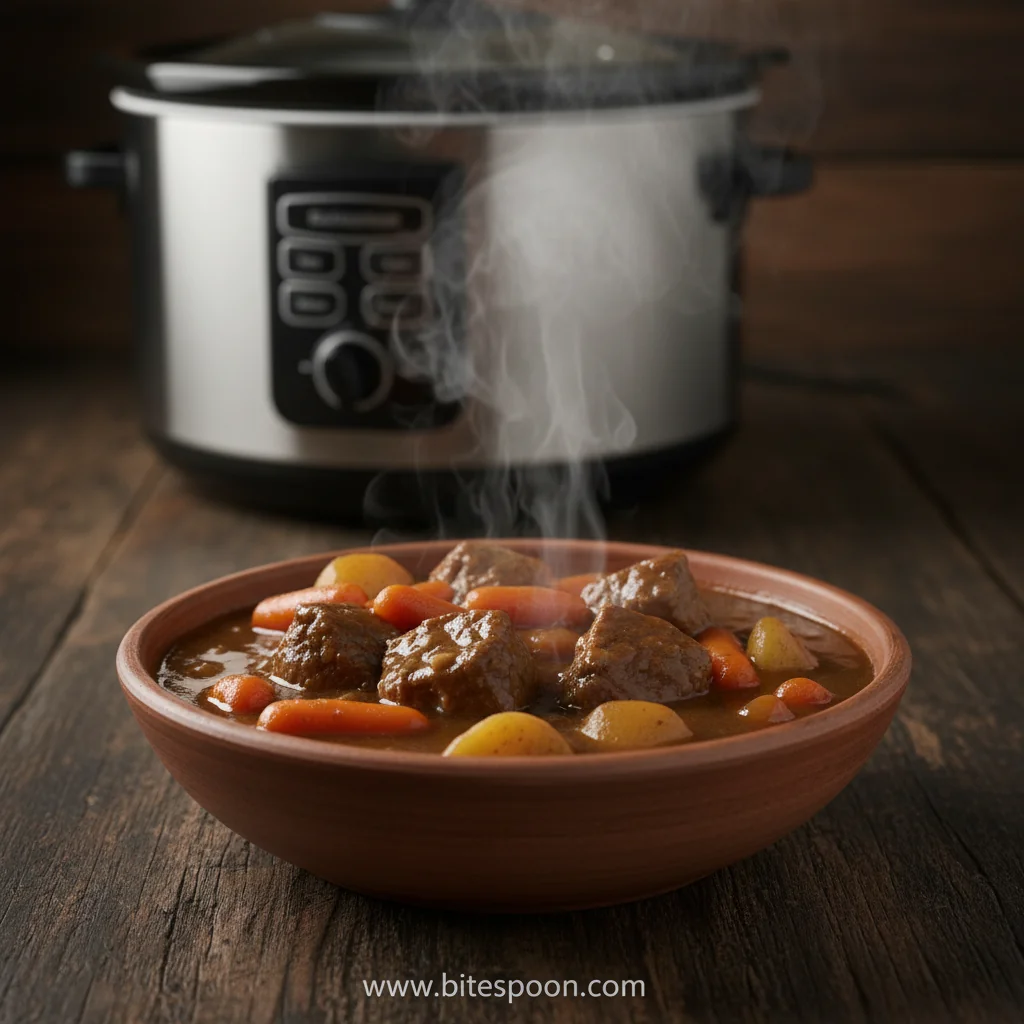
Slow cookers revolutionized home cooking when they were introduced in the 1970s, offering busy families a way to prepare hearty meals without constant supervision. The gentle, low-temperature cooking method allows flavors to meld and develop over hours, creating dishes with remarkable depth. Originally marketed as 'Crock-Pots,' these appliances became kitchen staples for their ability to transform inexpensive cuts of meat into tender, flavorful feasts. The method gained popularity during the energy crisis as an efficient way to cook, and today remains beloved for its convenience and consistent results.
Why You'll Love It
-
Hands-off cooking that fits your busy schedule
-
Deep, developed flavors that can't be rushed
-
Tender results from gentle, prolonged cooking
-
Energy-efficient way to prepare hearty meals
"I've made this beef stew three times this month - my family can't get enough of the rich, developed flavors!"
Essential Ingredient Guide
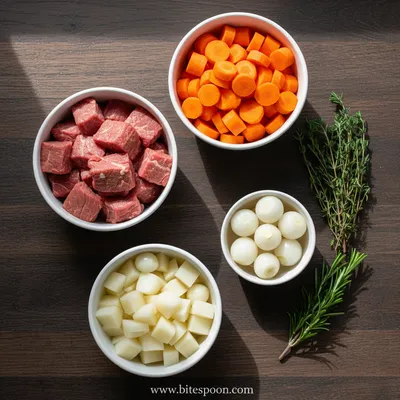
- Beef chuck roast: Choose well-marbled cuts that will break down beautifully during the long cooking process, becoming fork-tender and full of flavor.
- Onions and carrots: These humble vegetables sweeten and soften over hours, creating a natural sweetness that balances the savory elements perfectly.
- Tomato paste: Just a small amount adds incredible depth and richness to the cooking liquid, creating a robust base for your sauce.
- Worcestershire sauce: Adds a complex umami boost that enhances the meaty flavors without overpowering the dish.
- Red wine vinegar: A splash at the end brightens everything up and cuts through the richness, balancing the flavors beautifully.
- Fresh herbs: Thyme and bay leaves provide aromatic notes that infuse the entire dish with garden-fresh flavor.
Complete Cooking Process
-
Ingredient Readiness:
Taking a few minutes to properly prepare your ingredients makes all the difference. Pat your beef dry with paper towels - this helps it brown beautifully. Chop your vegetables into similar-sized pieces so they cook evenly. Honestly, these small preparations set you up for success.
-
Flavor Development:
The magic happens in those first hours when the meat releases its juices and the vegetables begin to soften. The tomato paste blends with the natural cooking liquids, creating a rich base that deepens over time. I always peek in around hour three just to enjoy that incredible aroma filling the kitchen.
-
Texture Control:
The gentle heat works its magic on tough cuts of meat, breaking down connective tissues until they're melt-in-your-mouth tender. The vegetables soften but still maintain their shape, creating that perfect contrast against the silky sauce.
-
Finishing Touches:
Right before serving, I like to stir in that splash of vinegar and maybe a handful of fresh parsley. It's amazing how those last-minute additions can brighten everything up and make the flavors pop.
-
Serving Timing:
This stew is wonderfully forgiving - it can wait patiently on the warm setting for an hour or so if dinner gets delayed. The flavors actually improve with a little extra time.
-
Don't peek too often - every time you lift the lid, you lose heat and extend cooking time
-
Layer ingredients properly with meat on bottom and vegetables on top for even cooking
-
Resist adding dairy until the end to prevent curdling
-
Let the stew rest for 15 minutes before serving for flavors to settle
Pro Tips
I've learned through the years that patience really is the secret ingredient here. The slow cooker does its best work when left undisturbed, allowing all those wonderful flavors to meld together naturally.
One thing I've noticed - the stew always tastes even better the next day. Something about that overnight rest in the refrigerator lets the flavors deepen and harmonize in a way that's just magical. It's the kind of meal that makes your whole house smell like home.
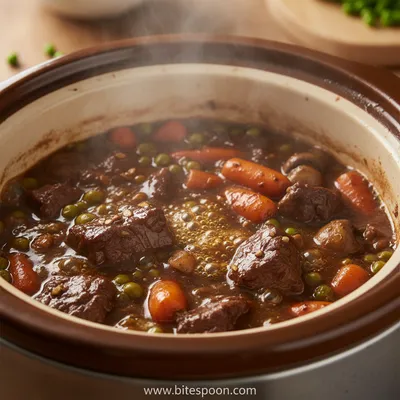
The essence of the dish:
This classic slow cooker beef stew represents comfort food at its finest - hearty, forgiving, and deeply satisfying. It's the kind of meal that welcomes you home after a long day, filling the air with promises of warmth and nourishment.
A fun fact or historical angle:
The first slow cooker was invented by a man named Irving Naxon, who was inspired by his grandmother's stories of slow-cooking bean dishes in a pot buried in the hay in her native Lithuania.
Flavor or sensory focus:
What you'll notice most is how the gentle cooking process transforms simple ingredients into something extraordinary - the meat becomes impossibly tender, the vegetables sweet and soft, and the sauce rich with layers of flavor that only time can create.
You Must Know
-
Always brown your meat first for deeper flavor
-
Don't overcook potatoes - they can become mushy
-
Adjust seasoning at the end as flavors concentrate during cooking
-
Leave adequate space - don't fill your slow cooker more than 2/3 full
Frequently Asked Questions
→ Can I use frozen vegetables in my slow cooker?
You can, but fresh vegetables will give you better texture and flavor. If using frozen, reduce the liquid slightly as frozen veggies release more water during cooking.
→ How full should I fill my slow cooker?
Never fill more than 2/3 full to allow for proper heat circulation and prevent overflow. For best results, aim for about half to two-thirds full.
→ Can I leave my slow cooker on while I'm at work?
Yes, that's one of the main benefits! Most modern slow cookers are designed for safe unattended use. Just make sure it's on a heat-safe surface away from flammable materials.
→ Why is my meat tough after slow cooking?
This usually means it didn't cook long enough. Tough cuts need sufficient time to break down connective tissues. Next time, try cooking on low for an additional hour or two.
→ Can I double this recipe?
Absolutely, just make sure your slow cooker is large enough. The cooking time should remain similar, but give it a stir halfway through if your cooker doesn't heat evenly.
→ What's the difference between high and low settings?
Low setting cooks at about 200°F while high is around 300°F. Low takes about twice as long but can yield more tender results for tough cuts of meat.
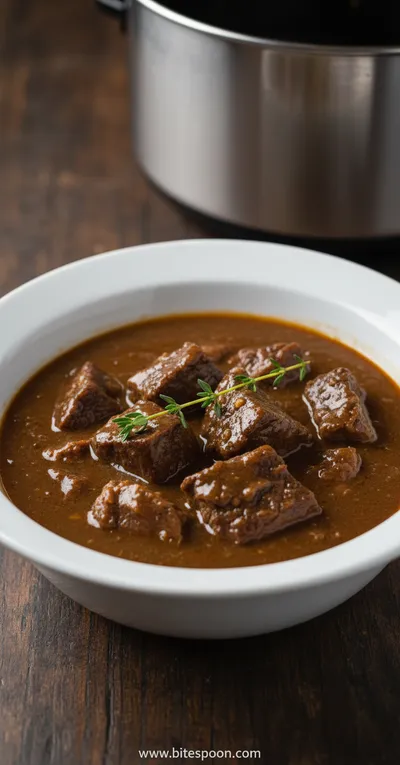
Nutrition Facts
per serving
420
Calories
35g
Protein
28g
Carbs
18g
Fat
Taste Profile
Rich, savory flavors with subtle sweetness from vegetables and balanced acidity
Ingredient Substitutions
Don't have an ingredient? Try these alternatives
Lamb will add a richer flavor, while stew meat might need slightly less cooking time
Sweet potatoes will add natural sweetness, while parsnips provide a lovely earthy note
Recipe Variations
Try these delicious twists on the original
Hearty Vegetable Stew
Substitute the beef with extra mushrooms, potatoes, and root vegetables for a satisfying vegetarian version that's just as comforting.
Spicy Southwest Style
Add diced green chilies, cumin, and a can of fire-roasted tomatoes for a warm, spicy twist that's perfect with cornbread on the side.
Common Mistakes to Avoid
Learn from others' mistakes for perfect results
- Overcrowding the pan when browning meat - this steams rather than browns
- Adding dairy too early - it can curdle during long cooking
- Over-stirring during cooking - this releases heat and extends cooking time
- Not adjusting seasoning at the end - flavors concentrate as liquid reduces
Meal Prep & Storage
Make Ahead Tips
You can brown the meat and chop vegetables the night before. Store them separately in the refrigerator, then simply combine in the slow cooker in the morning. The flavors might even benefit from this extra prep time.
Leftover Ideas
Reheat gently in a saucepan over low heat, stirring occasionally. Add a splash of broth if the sauce has thickened too much. Leftovers make excellent pie fillings or pasta toppings.
Perfect Pairings
Serve this with...
Cooking Timeline
Prep all ingredients - cube beef, chop vegetables, mince garlic
Brown beef in batches and sauté vegetables
Combine everything in slow cooker and start cooking
Slow cook on low or high setting until meat is tender
Thicken sauce with cornstarch slurry and finish with vinegar and parsley
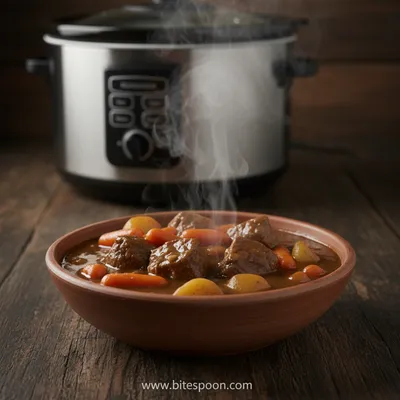
Most Popular Slow Cooker Recipes of All Time
Discover comforting slow cooker recipes that fill your home with warmth and aroma while doing all the work for you. Perfect for busy days when you want maximum flavor with minimal effort.
Timing
Prep Time
20 Minutes
Cook Time
8 Hours
Total Time
8 Hours 20 Minutes
Recipe Details
Ingredients
Main Ingredients
-
01
3 lbs beef chuck roast, cut into 2-inch cubes
-
02
1 large yellow onion, chopped
-
03
4 carrots, peeled and cut into 1-inch pieces
-
04
2 lbs potatoes, peeled and cut into chunks
-
05
4 cloves garlic, minced
-
06
2 tbsp olive oil
Cooking Liquid & Seasonings
-
01
4 cups beef broth
-
02
1/4 cup tomato paste
-
03
2 tbsp Worcestershire sauce
-
04
2 bay leaves
-
05
1 tsp dried thyme
-
06
1 tsp salt
-
07
1/2 tsp black pepper
-
08
2 tbsp cornstarch
-
09
2 tbsp water
-
10
2 tbsp red wine vinegar
-
11
1/4 cup fresh parsley, chopped
Instructions
Pat the beef cubes dry with paper towels and season generously with salt and pepper. Heat the olive oil in a large skillet over medium-high heat. Working in batches, brown the beef on all sides, about 3-4 minutes per batch. Don't overcrowd the pan - this step is crucial for developing deep flavor. Transfer the browned beef to your slow cooker.
In the same skillet, add the onions and carrots. Cook for about 5 minutes until they begin to soften. Add the garlic and cook for another minute until fragrant. Stir in the tomato paste and cook for 1 minute to deepen its flavor. Transfer everything to the slow cooker.
Add the potatoes to the slow cooker along with the beef broth, Worcestershire sauce, bay leaves, and thyme. Give everything a gentle stir to combine. Cover and cook on low for 7-8 hours or on high for 4-5 hours, until the beef is fork-tender.
About 30 minutes before serving, mix the cornstarch with 2 tablespoons of water to create a slurry. Stir this into the stew to thicken the sauce. Cover and continue cooking until the sauce has thickened nicely.
Just before serving, stir in the red wine vinegar and fresh parsley. Taste and adjust seasoning if needed. Remove the bay leaves. Serve hot with crusty bread or over zucchini noodles for a lighter option.
Notes & Tips
-
1
This stew freezes beautifully for up to 3 months
-
2
For extra richness, stir in a tablespoon of butter at the end
-
3
The flavors develop even more overnight - it's excellent as leftovers
Tools You'll Need
-
6-qt slow cooker
-
Large skillet
-
Cutting board
-
Sharp knife
-
Measuring cups and spoons
-
Wooden spoon
Must-Know Tips
-
Brown your meat well - this step adds incredible depth of flavor
-
Don't over-stir during cooking - let the slow cooker work its magic
-
Taste and adjust seasoning at the end as flavors concentrate during cooking
Professional Secrets
-
Room temperature meat browns better than cold meat
-
Deglaze your skillet with a bit of broth after browning to capture all the flavor
-
Let the stew rest for 15 minutes after cooking for flavors to settle

Recipe by
Alexa CarterFast food, but smarter 🔥🍽️ Bold flavors, simple steps, and meals that always hit the spot 😎
Get Delicious Recipes Weekly
Join 25,000+ home cooks getting our best recipes straight to their inbox.
Free forever • No spam • Unsubscribe anytime