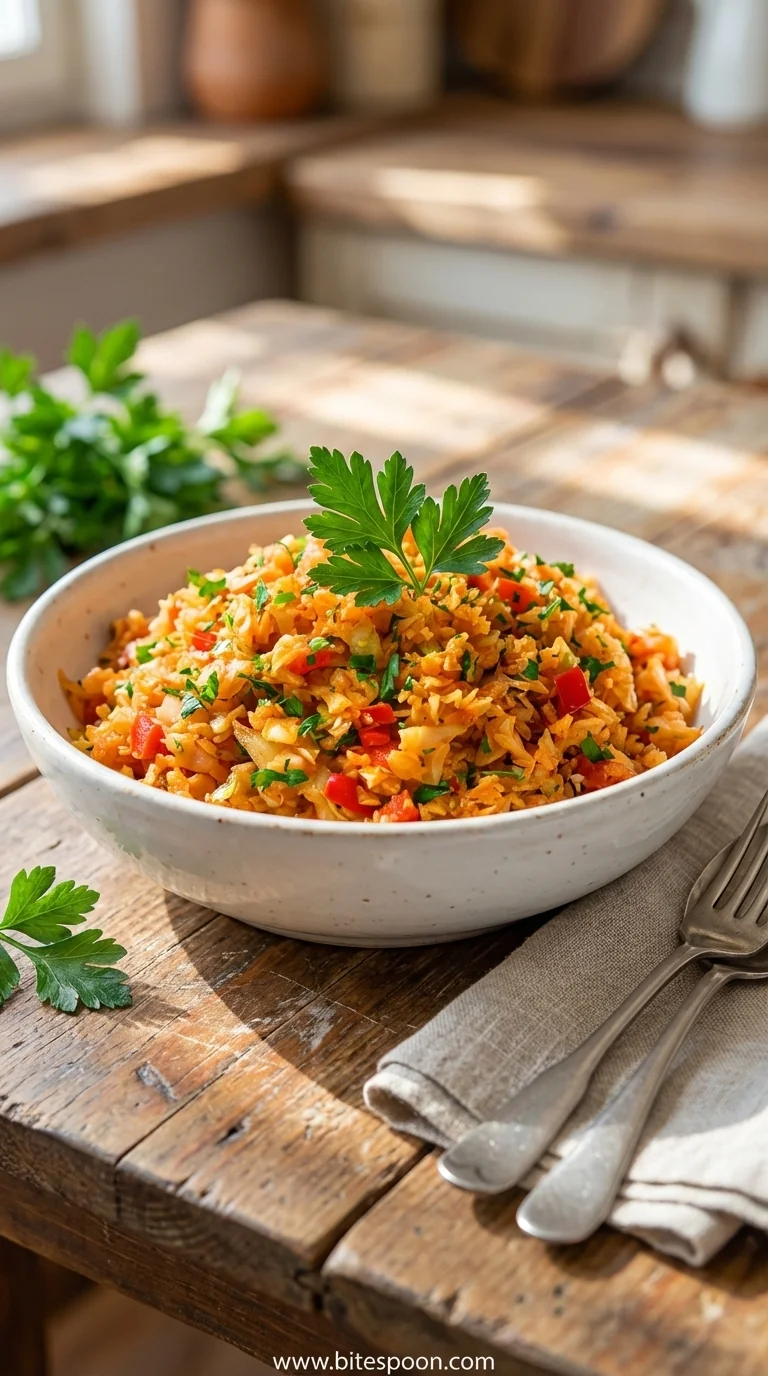
I remember one particular autumn afternoon, the air had that crisp edge to it and the leaves were just starting to turn. I was feeling a bit nostalgic for the hearty meals of my childhood but wanted something lighter. My garden was overflowing with vegetables that year, especially zucchini, which had me making everything from zucchini bread to savory cheddar loaves. Staring into the fridge, a big, beautiful head of green cabbage caught my eye. I’d been thinking about cauliflower rice, a staple for many, but I wondered, why not cabbage? The thought felt like a tiny spark of inspiration.
So, I pulled out my food processor, the one that’s seen me through countless kitchen experiments, and gave it a go. The gentle whirring sound as the cabbage turned into perfect, rice-like granules was so satisfying. Sautéing it with a little garlic and onion felt so elemental, so simple. It was even easier than making my go-to simple sauteed cabbage. That night, we ate it alongside some grilled chicken, and the way it soaked up the juices was just... perfect. It wasn’t trying to be rice; it was its own wonderful thing. It was a reminder that sometimes the best discoveries are the simplest ones, born out of necessity and a little bit of quiet curiosity.
Why You'll Adore This Riced Cabbage
-
Effortlessly Quick: Honestly, this is one of the fastest side dishes you will ever make. From chopping the cabbage to serving it warm in a bowl, the whole process takes less than 15 minutes. It’s my go-to for those evenings when I walk in the door, tired and hungry, and just need something nourishing on the table without any drama.
-
Incredibly Versatile: Think of this riced cabbage as a beautiful blank canvas. It has a mild, slightly sweet flavor that doesn't overpower, making it the perfect partner for almost anything. Serve it with curries, stir-fries, grilled meats, or even a hearty lentil soup. You can flavor it in countless ways!
-
Light & Healthy: It’s such a simple way to get more vegetables onto your plate. This dish is naturally low-carb, gluten-free, and packed with nutrients. It leaves you feeling satisfied and energized, not heavy or sluggish, which is a feeling I just treasure after a meal.
-
Budget-Friendly: Let's be real, cabbage is one of the most affordable vegetables at the market. A single head of cabbage can produce a huge amount of 'rice,' making this an incredibly economical way to stretch your meals and feed your family something wholesome and delicious. It’s simple, humble, and good.
This recipe is a game-changer for weeknight meals. It's so surprisingly delicious and light!
Essential Ingredient Guide
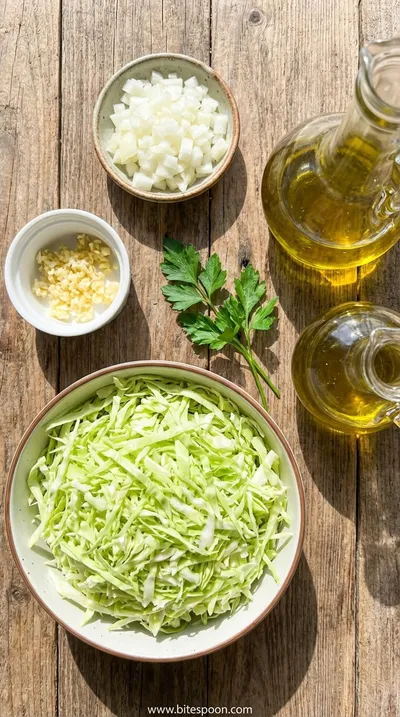
- Green Cabbage: A fresh, firm green cabbage is really the star here. You want one that feels heavy for its size with crisp, tightly packed leaves. The flavor of green cabbage is perfect for this—it's mild with just a hint of sweetness that really comes out when you sauté it. Avoid any heads with wilted outer leaves or blemishes, as that indicates it's past its prime.
- Garlic & Onion: These two are the foundation of flavor, so using fresh is best. A sweet yellow onion provides a mellow, aromatic base, while fresh garlic cloves, finely minced, add that irreplaceable pungent warmth. The smell of them cooking together in a little olive oil is, for me, the official scent of a home-cooked meal about to happen. It's pure comfort.
- Good Olive Oil: You don't need the fanciest finishing oil here, just a good-quality extra-virgin olive oil for sautéing. It adds a subtle, fruity richness that complements the cabbage beautifully. The oil helps to soften the onion and garlic without burning them and gives the finished dish a lovely, silky texture. It's a small detail that makes a big difference.

Complete Cooking Process
-
Preparation:
First, we get our beautiful cabbage ready. I love this part because it’s so tactile. You’ll want to remove any tough or wilted outer leaves and then give the cabbage a good rinse. Cut it in half, then into quarters, and slice out the hard core from each piece. Chop the quarters into rough chunks that will fit easily into your food processor. This is also the time to peel and finely chop your onion and garlic, so everything is ready to go once the pan is hot. Mise en place, as they say, but really it just means less stress while you cook!
-
Ricing the Cabbage:
Now for the magic trick. Place the cabbage chunks into the food processor, but be careful not to overcrowd it—you might need to do this in two batches. The key here is to use the 'pulse' button. Just a few short pulses, maybe 8 to 10, is all you need. You're looking for a texture that resembles grains of rice, not a fine mush. It happens so fast! If you go too far, you’ll end up with a watery slaw, so peek after every few pulses until it looks just right. It’s a beautifully simple transformation.
-
Cooking to Perfection:
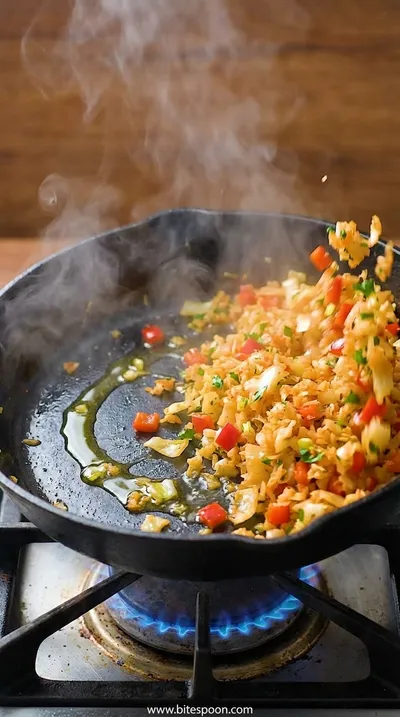
With your cabbage beautifully 'riced,' it's time to cook. Warm your olive oil in a large skillet or pan over medium heat. The pan needs to be big enough to hold all the cabbage without crowding it. Add your chopped onion and cook for a few minutes until it begins to soften and turn translucent. Then, add the minced garlic and cook for just another minute until you can smell its wonderful aroma. Be careful not to let the garlic brown, or it will turn bitter. This is the moment your kitchen starts to smell like home.
-
Don't overcrowd the pan; this helps the cabbage sauté rather than steam, preventing sogginess.
-
Keep the heat at a steady medium. Too high and the cabbage will brown before it becomes tender.
-
Stir occasionally, but not constantly. Let the cabbage sit for a minute or two at a time to get a little bit of color and flavor.
Pro Tips for the Sauté
Finally, add all of your riced cabbage to the skillet. Stir everything together to coat the cabbage with the fragrant oil, onion, and garlic. Season with salt and pepper, then let it cook for about 5 to 7 minutes, stirring occasionally, until it's tender but still has a slight bite. Ugh, the texture is just perfect. Taste and adjust your seasonings, and it’s ready to serve warm.

Frequently Asked Questions
→ Can I use a different type of cabbage?
Yes, you absolutely can, but the results will be slightly different. Red cabbage works, but it will turn a purplish-blue color as it cooks, which can be a little surprising on the plate! It also has a slightly bolder flavor. Savoy cabbage is another great option; it’s a bit more tender and cooks a little faster. Napa cabbage is much more delicate and has a higher water content, so you’d need to cook it for a shorter time to avoid it becoming mushy. For the most rice-like texture and mild flavor, I always come back to simple green cabbage.
→ How do I make riced cabbage if I don't have a food processor?
No problem at all! A food processor is definitely the quickest way, but you can achieve a similar result without one. The best alternative is a box grater. Just use the largest holes on the grater to shred the cabbage chunks. It will be a bit more work, but the texture is fantastic. In a pinch, you can also just use a sharp knife to chop the cabbage as finely as you possibly can. It won't be as uniform as 'rice,' but it will still be delicious and serve the same purpose in your meal.
→ My riced cabbage came out soggy. What did I do wrong?
Oh, that’s a common hiccup! Soggy cabbage usually happens for one of two reasons. First, over-processing the cabbage. If you blend it for too long in the food processor, it releases too much water and turns into a pulp. Remember to just use short, quick pulses. The second reason is overcrowding the pan. If you pile too much cabbage into the skillet at once, it steams in its own moisture instead of sautéing. It's better to cook in batches if your pan isn't large enough. That way, the excess moisture can evaporate, leaving you with perfectly tender-crisp 'rice'.
→ How can I add more flavor to my riced cabbage?
This recipe is a wonderful base, and it loves being dressed up! You can add so many things. Try stirring in fresh herbs like parsley, cilantro, or dill at the very end. A squeeze of fresh lemon or lime juice brightens everything up beautifully. For a bit of warmth, add spices like turmeric, cumin, or smoked paprika along with the garlic. You could even toss in some toasted nuts or seeds for crunch, or a spoonful of nutritional yeast for a cheesy, savory flavor. The possibilities are really endless.
→ Can I make this ahead of time?
You can definitely do some prep ahead of time to make things easier. You can 'rice' the cabbage and store it in an airtight container or a zip-top bag in the refrigerator for up to two days. Keep in mind that cut cabbage can develop a stronger smell over time, so it's best when fresh. I personally prefer to cook it right before serving for the best texture, as it can get a bit softer upon reheating. But if you need to, you can cook the entire dish and store it in the fridge for a couple of days.
→ What does riced cabbage pair well with?
Honestly, almost anything you would serve with rice! It’s fantastic under a rich curry or a hearty beef stew. It’s a perfect side for grilled salmon, roasted chicken, or meatballs. I also love using it as a base for stir-fries or grain-free burrito bowls. It’s a wonderful, light alternative to heavier sides, much like how I sometimes swap pasta for some lovely zucchini pasta. You could also serve it alongside a fresh carrot apple salad for a beautifully balanced, veggie-packed meal.
→ Is this recipe freezer-friendly?
I would say this is one dish that is best enjoyed fresh. Cabbage has a high water content, and the freezing and thawing process can really affect its texture, often making it quite soft and watery. If you do choose to freeze it, I would recommend it for use in soups or stews where that softer texture won't matter as much, rather than as a standalone side dish. For the best fluffy, tender-crisp result, it’s best to make it when you plan to eat it.
→ Is this a good way to use up leftover vegetables?
It's a fantastic way to use up extra veggies from the garden or fridge. It reminds me of making apple zucchini bread when I have too much zucchini. You can easily rice other firm vegetables along with the cabbage, like broccoli stems, carrots, or cauliflower. Just pulse them together! You can also sauté other finely chopped vegetables like bell peppers, mushrooms, or even some leftover zucchini with the onions to add more color, flavor, and nutrients to the final dish.

Nutrition Facts
per serving
95
Calories
2g
Protein
8g
Carbs
7g
Fat
Taste Profile
A savory and comforting side with a pronounced natural sweetness from the sautéed cabbage and onion, balanced by savory garlic.
Ingredient Substitutions
Don't have an ingredient? Try these alternatives
If you don't have a yellow onion, two finely chopped shallots will provide a slightly milder, more delicate flavor. The white and light green parts of a well-cleaned leek would also be a lovely, sweet substitute.
Avocado oil is a great neutral-flavored alternative with a high smoke point. Ghee (clarified butter) would also be delicious, adding a rich, nutty flavor to the final dish, though it would no longer be vegan.
Recipe Variations
Try these delicious twists on the original
Cheesy Garlic Riced Cabbage
For a richer, more indulgent version, stir in 1/4 cup of grated Parmesan cheese and a teaspoon of fresh thyme at the very end of cooking. The cheese melts into the cabbage, creating a wonderfully savory and comforting dish.
Mexican-Inspired Riced Cabbage
Sauté the cabbage with a teaspoon of cumin and a pinch of chili powder. After cooking, stir in some fresh cilantro and a generous squeeze of lime juice. This makes a perfect base for a burrito bowl or a side for tacos.
Asian-Inspired Riced Cabbage
Add a teaspoon of grated fresh ginger with the garlic. Once the cabbage is cooked, stir in a splash of tamari or coconut aminos and a drizzle of toasted sesame oil. Garnish with sliced green onions and sesame seeds for a delicious stir-fry base.
Common Mistakes to Avoid
Learn from others' mistakes for perfect results
- Over-processing the Cabbage: Pulsing for too long in the food processor will turn the cabbage into a wet, mushy pulp. Aim for short, sharp pulses and check the texture frequently.
- Using a Pan That's Too Small: Crowding the cabbage in a small pan causes it to steam instead of sauté, leading to a soggy result. Use the largest skillet you have or cook in batches.
- Cooking it for Too Long: Unlike rice, riced cabbage cooks very quickly. If you leave it on the heat for too long, it will lose its pleasant bite and become overly soft and limp.
- Forgetting to Season Adequately: Cabbage has a mild flavor and really needs salt and pepper to come alive. Don't be shy with your seasoning—taste as you go and adjust as needed.
Meal Prep & Storage
Make Ahead Tips
The best way to make this ahead is to do the prep work in advance. You can wash, core, and chop the cabbage, then pulse it in the food processor. Store the raw riced cabbage in an airtight container or a sealed bag in the refrigerator for up to 2 days. You can also pre-chop your onion and garlic. When you're ready to eat, the cooking process will only take about 10 minutes.
Leftover Ideas
Leftover riced cabbage reheats beautifully. I love to use it as a base for 'clean-out-the-fridge' bowls for lunch. Simply reheat it in a pan and top it with leftover protein, some greens, and any veggies you have on hand. It's also fantastic stirred into soups or stews to bulk them up with extra vegetables and texture. Sometimes, I'll even add it to an omelet or scramble for a veggie-packed breakfast.
Perfect Pairings
Serve this with...
Cooking Timeline
Prep the cabbage: quarter, core, and chop into chunks. Finely chop the onion and mince the garlic.
Pulse the cabbage chunks in a food processor in batches until they resemble rice.
Heat olive oil in a large skillet and sauté the chopped onion until soft.
Add the minced garlic and cook for 30-60 seconds until fragrant.
Add the riced cabbage, salt, and pepper to the skillet. Cook, stirring occasionally, until tender-crisp. Garnish and serve.
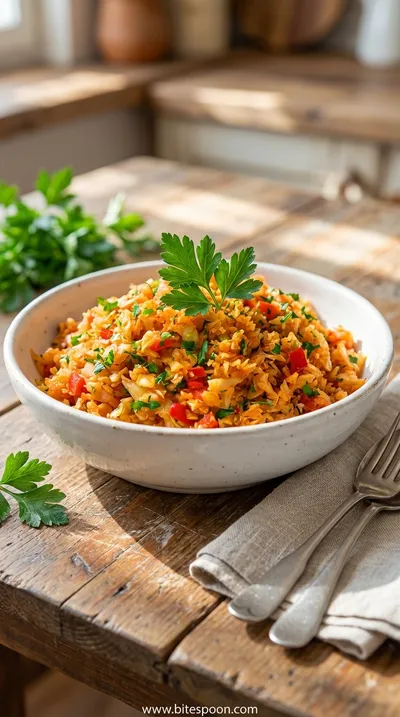
Riced Cabbage Recipe: Quick & Easy Side Dish
Try this delicious riced cabbage recipe - a healthy, low-carb alternative to rice that's perfect for quick everyday meals.
Timing
Prep Time
5 Minutes
Cook Time
10 Minutes
Total Time
15 Minutes
Recipe Details
Ingredients
For the Riced Cabbage
-
01
1 medium head green cabbage (about 2 lbs)
-
02
2 tablespoons olive oil
-
03
1 small yellow onion, finely chopped
-
04
2-3 cloves garlic, minced
-
05
1 teaspoon salt, or to taste
-
06
1/2 teaspoon black pepper, or to taste
Optional Garnish
-
01
Fresh parsley, chopped
-
02
A squeeze of fresh lemon juice
Instructions
First things first, let's prep our cabbage. It's a satisfyingly simple process. Remove any dark or wilted outer leaves from the head of cabbage and give it a quick rinse under cool water. Pat it dry, then place it on your cutting board. Carefully cut the cabbage in half from the top down, then place each half cut-side down and slice it in half again to make quarters. Now you can easily see the dense core—just slice that part off and discard it. Roughly chop the remaining cabbage into large chunks, about 1-2 inches wide. They don't have to be pretty, just small enough to fit into your food processor.
Now for the fun part. Place the cabbage chunks into the bowl of your food processor. It's important not to fill it more than halfway, so you'll likely need to do this in two batches. Secure the lid and use the pulse function. This is the key to getting that perfect rice-like texture. Give it about 8 to 10 short pulses. You want to stop when the cabbage is broken down into small, uniform pieces that look like couscous or rice. If you blend it continuously, oops, you'll end up with a watery purée, so pulsing is definitely the way to go. Set the riced cabbage aside in a large bowl.
Let's build some flavor. Place a large skillet or a wide-bottomed pot over medium heat and add your olive oil. Once the oil is shimmering slightly, add the finely chopped yellow onion. Let it cook, stirring occasionally, for about 3-4 minutes until it becomes soft and translucent. The gentle sizzle and sweet smell are just divine. Next, add the minced garlic and stir it around for about 30 seconds to a minute, just until it becomes fragrant. You want to be careful here, as garlic can burn quickly, which would give the dish a bitter taste we want to avoid.
Time to bring it all together. Add the big bowl of riced cabbage to the skillet with the onions and garlic. Use a spatula or wooden spoon to gently toss everything together, coating all those little cabbage bits with the flavorful oil. Season generously with salt and black pepper. Continue to cook, stirring every minute or so, for about 5 to 7 minutes. The cabbage will soften and become tender, but you still want it to have a tiny bit of bite. Taste a little spoonful and adjust the seasoning if you need to. Just before serving, a sprinkle of fresh parsley or a squeeze of lemon juice can really make the flavors pop. It’s just that simple.
Notes & Tips
-
1
For the best texture, make sure not to overcook the cabbage. You want it to be tender-crisp, not mushy. It cooks much faster than you might think, so keep a close eye on it, especially the first time you make it. A little bit of bite makes all the difference.
-
2
Feel free to get creative with spices! A pinch of red pepper flakes adds a lovely warmth, some smoked paprika gives it a smoky depth, and a dash of turmeric lends a beautiful color and earthy flavor. Add the spices in with the garlic to let them bloom in the oil.
-
3
If you have leftovers, they make a wonderful base for a quick lunch the next day. I love to reheat the riced cabbage in a pan and top it with a fried egg and a dash of hot sauce. It's also delicious stirred into soups to add extra body and vegetables.
Tools You'll Need
-
Food Processor: This is really the hero tool for this recipe. It makes quick, effortless work of turning chunky cabbage into perfect, rice-sized granules. A good food processor with a sharp blade and a pulse function is ideal for getting that light, fluffy texture without accidentally making cabbage soup.
-
Large Skillet: You'll want a nice, big skillet, preferably with a heavy bottom that distributes heat evenly. This gives the riced cabbage plenty of room to sauté instead of steam, which is the secret to avoiding any sogginess. I love using my well-seasoned cast-iron or a wide stainless-steel pan for this.
-
Sharp Chef's Knife: Before the food processor does its magic, a reliable chef's knife is essential for breaking down the head of cabbage into manageable chunks. A sharp knife makes the whole process safer, easier, and just more pleasant. It's one of those basic tools that makes you feel capable in the kitchen.
-
Cutting Board: A large, stable cutting board gives you plenty of space to work when you're quartering the cabbage and chopping your onion and garlic. I like using a big wooden board; it feels so sturdy and warm under my hands and is gentle on my knives. It’s the foundation for almost every meal I make.

Recipe by
Alexa CarterFast food, but smarter 🔥🍽️ Bold flavors, simple steps, and meals that always hit the spot 😎
Get Delicious Recipes Weekly
Join 25,000+ home cooks getting our best recipes straight to their inbox.
Free forever • No spam • Unsubscribe anytime