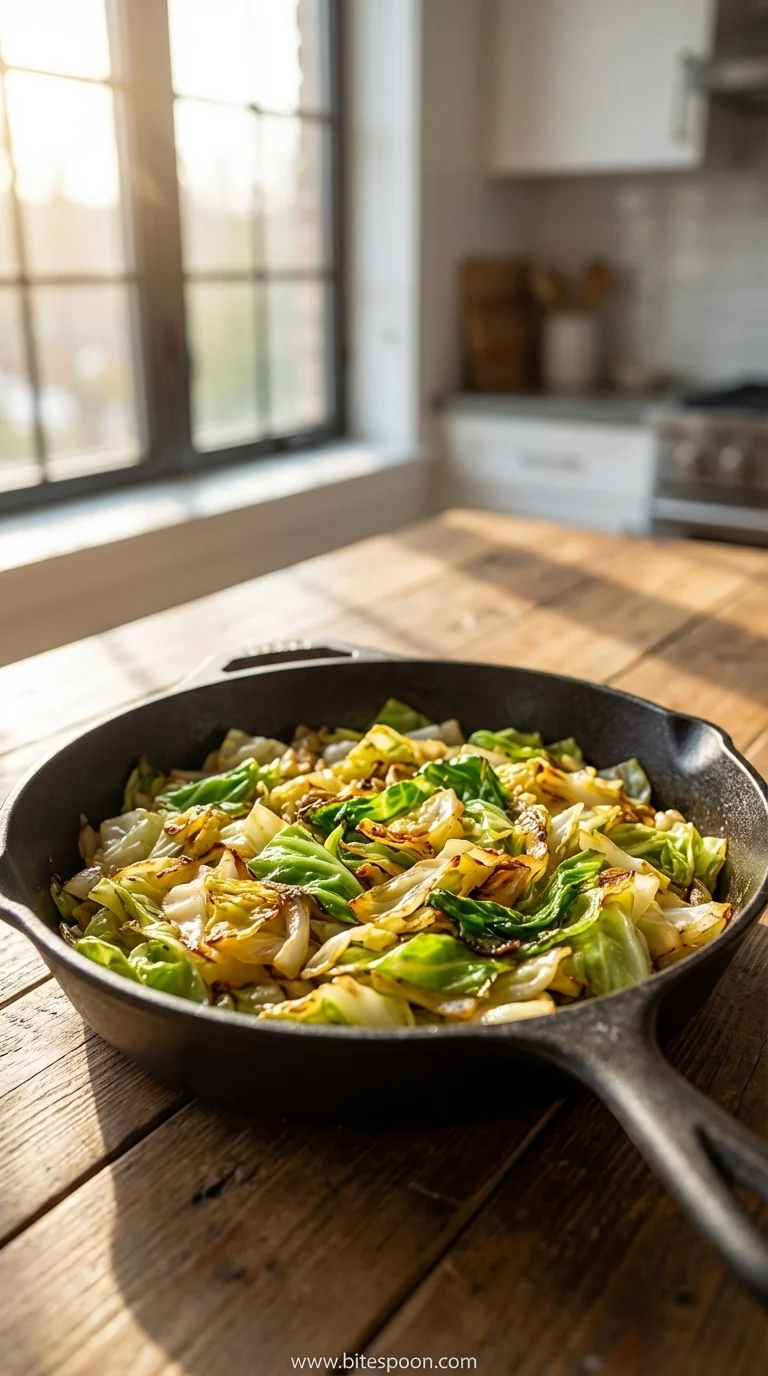
I remember my grandmother standing over her cast-iron skillet, the one that was seasoned with decades of love and meals, slowly stirring a big pile of shredded cabbage. She never used a recipe, just a knob of butter, a sliced onion, and a sprinkle of salt and pepper. It would cook down into this silky, sweet, tender nest of goodness that we’d eat alongside roasted chicken or just with a piece of crusty bread. For me, that memory is the essence of this dish. It's about taking a humble, often overlooked vegetable and transforming it with a little heat and patience into something truly special. It taught me that elegance in food, much like in design, isn't about complexity; it's about honoring the material for what it is. Cabbage is a lot like the endless zucchini from my summer garden, which I've learned to turn into everything from savory bread to a surprisingly elegant pasta dinner.
Why You'll Adore This Recipe
-
Incredibly Simple: Honestly, this recipe is all about ease. With just a handful of staple ingredients and one pan, you can create a beautiful side dish without any fuss. It's perfect for beginner cooks or for those nights when you just need something straightforward and nourishing.
-
Surprisingly Flavorful: Don't let the short ingredient list fool you. Sautéing brings out the natural sweetness of the cabbage, which pairs so beautifully with the gentle savory notes of garlic and onion. It transforms from a crunchy, slightly bitter vegetable into something tender, sweet, and utterly delicious.
-
Wonderfully Versatile: This dish is a true chameleon. You can serve it as a simple side with almost any main course, pile it onto sausages, or even add some beans and make it a light vegetarian meal. It’s a foundational recipe you can build upon endlessly.
-
Ready in Minutes: From slicing the cabbage to serving, this whole process takes less than 20 minutes. It's the ideal solution for adding a healthy, homemade touch to your meal without spending hours in the kitchen. It’s quicker than making most salads, like my favorite carrot apple salad.
"This simple dish has become my go-to comfort food. It's just so warm, satisfying, and surprisingly delicious."
Essential Ingredient Guide
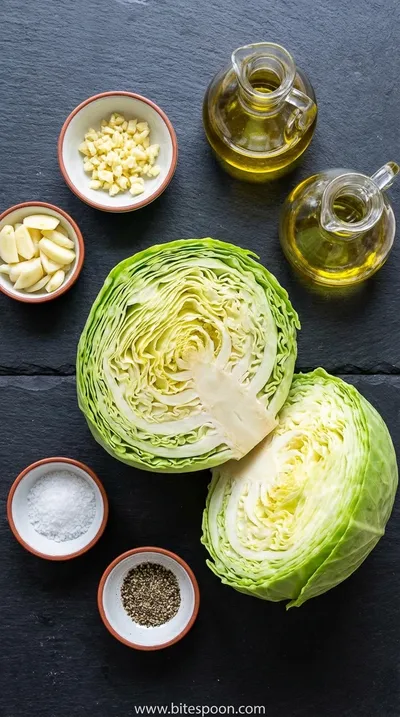
- Green Cabbage: Look for a head of cabbage that feels heavy for its size, with crisp, tightly packed leaves. This is the star of the show, so a fresh, vibrant one will make all the difference. Its natural sweetness is what we’re trying to coax out with the gentle heat, creating a flavor that is both earthy and delicate. Don’t be afraid of the giant pile of shredded cabbage you start with; it cooks down beautifully.
- Yellow Onion: A simple yellow onion provides the aromatic backbone for this dish. When you sauté it gently in the olive oil, it becomes translucent and sweet, laying down a perfect layer of flavor for the cabbage to meld with. You want to slice it thinly so it almost melts into the cabbage, becoming one with the final dish rather than being chunky interruptions.
- Garlic: Oh, garlic. Just a couple of cloves, minced, adds that little hum of warmth and savory depth that makes everything better. I add it near the end of the cooking time for the onions, just before the cabbage goes in, so it has a chance to become fragrant without any risk of burning and turning bitter. It’s a small detail that protects its lovely, pungent flavor.
Complete Cooking Process
-
Preparation is Everything:
The prep for this dish is so calming and meditative. You'll start by taking your beautiful head of cabbage, peeling away any tough outer leaves, and slicing it in half. Then, you'll carefully cut out the dense core at the bottom. From there, it's just a matter of thinly slicing the cabbage into ribbons. I love this part; the rhythmic sound of the knife on the cutting board is so soothing. You'll also thinly slice your onion and mince the garlic. Getting everything ready beforehand, or 'mise en place' as they say, makes the cooking process feel effortless and graceful.
-
The Gentle Sauté:
This is where the magic happens. You’ll warm some olive oil in a large skillet or Dutch oven over medium heat. The pan needs to be big because cabbage has a lot of volume before it cooks down! First, you'll add the onions and let them soften and become sweet, which takes about five minutes. Then, you'll stir in the garlic for just a minute until you can smell its wonderful aroma. This slow, gentle start builds a foundation of flavor that makes the final dish feel so complete and satisfying, much like building layers in a cozy soup like this lentil soup.
-
Wilt and Season:
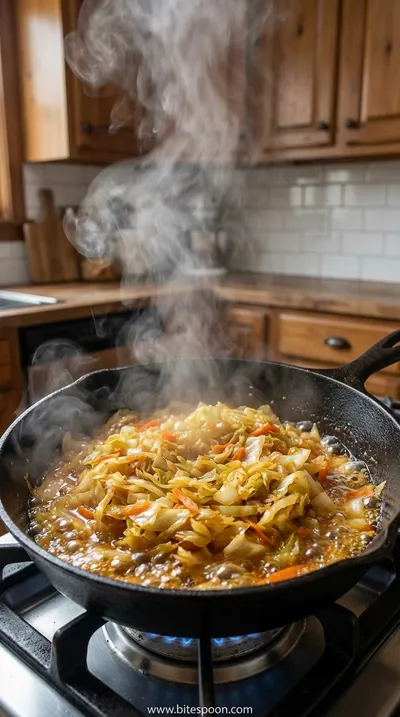
Now, pile all of that lovely shredded cabbage into the pan. It will seem like way too much, but have faith! Sprinkle it generously with salt and pepper, give it a good toss to coat everything in the onion and garlic mixture, then cover the pan. Let it cook for about 5-7 minutes, allowing the steam to gently wilt the cabbage. Afterwards, you'll uncover it and continue to cook, stirring occasionally, until it reaches that perfect tender-crisp texture. A final taste to adjust the seasoning, and it’s ready. It’s a simple dance of steam and heat.
-
Don't overcrowd the pan. If you're doubling the recipe, it's better to cook it in two batches to ensure it sautés rather than steams.
-
Slice the cabbage evenly. This helps all the pieces cook at the same rate, so you don't have some bits that are mushy and others that are still raw.
-
Add a splash of liquid. A little water, broth, or even white wine vinegar can help create steam to wilt the cabbage faster and prevent sticking.
-
Finish with freshness. A squeeze of lemon juice or a sprinkle of fresh parsley at the very end can brighten up all the flavors beautifully.
Pro Tips for Perfect Cabbage
These little touches are what elevate a simple dish into something truly memorable. It's about paying attention to the small details.
Frequently Asked Questions
→ Can I use purple cabbage instead of green?
Absolutely! Purple cabbage works wonderfully and will give you a stunningly vibrant dish. Just be aware that its color can sometimes bleed onto other ingredients. The flavor is very similar, perhaps a little more earthy. Cooking time and method remain exactly the same, so feel free to switch it up based on what looks best at the market.
→ How do I avoid my cabbage getting soggy?
The key to avoiding soggy cabbage is to not overcook it and to manage the moisture. Sautéing over medium to medium-high heat helps evaporate excess water. Also, avoid covering the pan for the entire cooking time. I like to cover it for the first 5-7 minutes to steam and wilt it, then uncover it for the last few minutes to let any extra liquid cook off and get a little bit of color on the cabbage.
→ What can I add to make this a more complete meal?
Oh, there are so many great options! To make it heartier, you can stir in some cooked chickpeas, white beans, or lentils. Adding some cooked, crumbled beef sausage or sliced smoked turkey sausage is also delicious. You can also serve it over a bed of quinoa or rice, or even use it as a filling for tacos with some avocado and cotija cheese.
→ Can I make this dish ahead of time?
Yes, you certainly can. Sautéed cabbage reheats quite well. Just store it in an airtight container in the refrigerator for up to 3-4 days. When you're ready to serve, you can gently reheat it in a skillet over medium-low heat or in the microwave. The texture might be a little softer upon reheating, but it will still be delicious.
→ My cabbage tastes a bit bitter. What did I do wrong?
Bitterness in cabbage can sometimes happen, but it’s usually easy to fix. It can be caused by overcooking or cooking at too high a heat, which can scorch it. Sautéing it gently brings out its natural sweetness and counteracts any bitterness. A little pinch of sugar or a splash of apple cider vinegar at the end can also help balance the flavors if you still find it a bit bitter.
→ What main dishes does this pair well with?
This is such a versatile side. It's fantastic with roasted chicken, pan-seared fish, or a simple steak. It's also a classic pairing with sausages of any kind. I also love it alongside simple pasta dishes, it adds a lovely textural contrast to something like a basic lemon pasta.
→ Is there a way to use up leftover cabbage?
Leftover raw cabbage is incredibly versatile! You can shred it for coleslaw, add it to soups and stews, or use the leaves as wraps. It's a wonderful vegetable to have on hand, just like zucchini, which I always seem to have extra of. I'm always looking for new ways to use it, from a classic zucchini bread to a more creative apple cinnamon version.
→ Can I use other vegetables in this recipe?
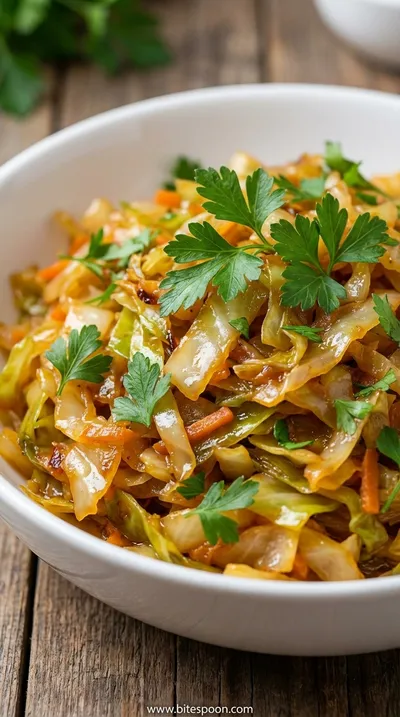
Of course! This is a great base recipe. Sliced carrots, bell peppers, or mushrooms would be lovely additions. Add the heartier vegetables, like carrots, in with the onions so they have enough time to soften. Softer vegetables like bell peppers can be added along with the cabbage. You could even make it a noodle dish with these amazing zucchini noodles
Nutrition Facts
per serving
95
Calories
2g
Protein
8g
Carbs
7g
Fat
Taste Profile
A comforting balance of savory and naturally sweet, with a gentle aromatic warmth from the garlic and onion.
Ingredient Substitutions
Don't have an ingredient? Try these alternatives
Savoy cabbage is a great substitute with a similar flavor and a lovely crinkly texture. Napa cabbage is more delicate and will cook much faster, so reduce the cooking time accordingly.
Shallots will provide a slightly milder, more delicate flavor. If using leeks, make sure to wash them thoroughly and use only the white and light green parts. They will give the dish a lovely, subtle sweetness.
Avocado oil is a great neutral-flavored oil with a high smoke point. For a richer, more traditional flavor, you can use unsalted butter or a combination of butter and oil. For a vegan buttery flavor, use a high-quality plant-based butter.
Recipe Variations
Try these delicious twists on the original
Smoky Cabbage
Add some smoked paprika along with the salt and pepper. For a non-vegetarian version, you can sauté some chopped turkey ham with the onions for a deep, smoky flavor.
Sweet and Sour Cabbage
Increase the apple cider vinegar to about 1/4 cup and add a tablespoon of brown sugar or maple syrup at the end of cooking. Stir until the sugar is dissolved for a lovely sweet and tangy glaze.
Asian-Inspired Cabbage
Use sesame oil instead of olive oil. Add a splash of soy sauce (or tamari), a teaspoon of grated fresh ginger, and finish with a sprinkle of toasted sesame seeds.
Common Mistakes to Avoid
Learn from others' mistakes for perfect results
- Using too small a pan. The raw cabbage has a lot of volume and needs space. If you overcrowd the pan, the cabbage will steam instead of sauté, leading to a soggier result.
- Not cooking the onions long enough. Taking the time to properly soften the onions and bring out their sweetness builds a crucial layer of flavor for the entire dish.
- Walking away from the garlic. Garlic can go from fragrant to burnt and bitter in a matter of seconds. Stay right by the stove and stir it constantly for that one minute of cooking.
- Under-seasoning. Cabbage is quite mild and needs a good amount of salt to come alive. Don't be afraid to taste and adjust the seasoning at the end until it's perfect for you.
Meal Prep & Storage
Make Ahead Tips
You can absolutely do the prep work ahead of time to make dinner even faster. The cabbage can be cored and sliced, and the onion can be sliced. Store them in separate airtight containers or bags in the refrigerator for up to 2 days. I wouldn't mince the garlic too far in advance, as it can lose its potent flavor, but doing it an hour or so beforehand is perfectly fine.
Leftover Ideas
Leftover sautéed cabbage is a wonderful thing! My favorite way to use it is to reheat it in a pan and top it with a fried egg for a quick and satisfying lunch. It's also delicious mixed into scrambled eggs, added to a bowl of ramen, or used as a warm, savory topping for baked potatoes. It’s so versatile you’ll be happy you made extra.
Perfect Pairings
Serve this with...
Cooking Timeline
Wash and prep all vegetables. Core and thinly slice the cabbage, thinly slice the onion, and mince the garlic.
Warm oil in a large skillet. Add the onions and sauté until soft and translucent.
Stir in the minced garlic and cook for one minute until fragrant.
Add all of the cabbage, salt, and pepper. Toss to combine, then cover and cook for 5-7 minutes to wilt.
Uncover the skillet and continue to cook, stirring occasionally, until the cabbage is tender-crisp. Stir in vinegar, taste, and serve.
Simple Sauteed Cabbage Recipe
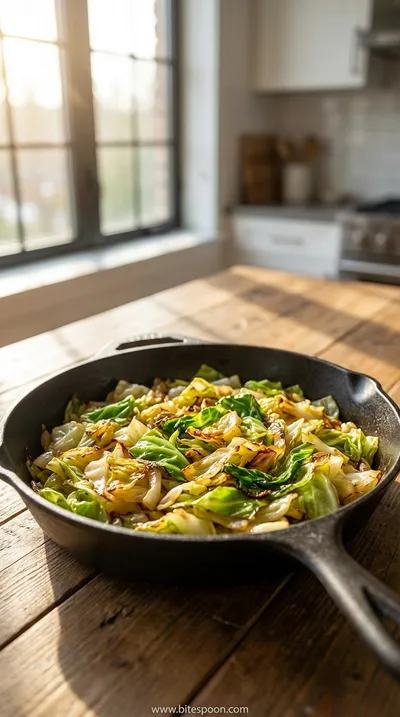
A simple, comforting sauteed cabbage recipe, perfect as a quick and delicious side dish.
Timing
Prep Time
10 Minutes
Cook Time
15 Minutes
Total Time
25 Minutes
Recipe Details
Ingredients
For the Sautéed Cabbage
-
01
1 medium head green cabbage (about 2 lbs), cored and thinly sliced
-
02
2 tablespoons olive oil
-
03
1 medium yellow onion, thinly sliced
-
04
2 cloves garlic, minced
-
05
1 teaspoon kosher salt, or to taste
-
06
1/2 teaspoon black pepper, freshly ground
-
07
1 tablespoon apple cider vinegar or lemon juice (optional, for brightness)
Instructions
First, let's get everything ready. It makes the whole process feel so much calmer. Place your cored and sliced cabbage in a large bowl. Have your thinly sliced onion and minced garlic in separate little bowls nearby. I find this simple act of preparation to be so grounding. It’s like setting the stage for a quiet, lovely performance. Make sure your salt and pepper are within easy reach too, so you’re not fumbling for them later. This mindful preparation is the first step to a beautiful dish.
Now, place a large skillet, Dutch oven, or a heavy-bottomed pot over medium heat. Add your olive oil and let it warm up until it shimmers just a little. Add the sliced onions to the pan. You should hear a gentle sizzle, not a roar. Cook them, stirring occasionally, for about 5-7 minutes. You want them to become soft, translucent, and sweet-smelling. This slow sauté builds a beautiful flavor base. Just as they're getting perfectly soft, stir in your minced garlic and cook for just another minute until you can smell it. Be careful not to let the garlic brown.
Time for the cabbage. Add the entire pile of sliced cabbage to the pot. It will look like a mountain, but don't worry, it will cook down significantly. Sprinkle the salt and pepper over the top. Using tongs, gently toss everything together to coat the cabbage with the oil, onions, and garlic. Once it's all mixed, cover the pot with a lid and let the cabbage steam and wilt for about 5-7 minutes. You can give it a stir once or twice during this time to prevent sticking and encourage even cooking.
After the cabbage has wilted down, remove the lid. You'll notice there's some liquid at the bottom of the pan from the cabbage releasing its water. Continue to cook, uncovered, for another 5-8 minutes, stirring occasionally. This allows that excess water to evaporate and the cabbage to become tender-crisp. You might even get a few lovely caramelized brown bits, which are delicious. At the very end, if you're using it, stir in the splash of apple cider vinegar or lemon juice. This little bit of acid really brightens everything up. Give it one last taste and add more salt or pepper if it needs it.
Notes & Tips
-
1
The size of your cabbage slices will affect the cooking time. If you like a softer, more braised texture, slice it very thinly and cook it a bit longer. For a crunchier, more 'al dente' texture, use thicker slices and reduce the cooking time slightly.
-
2
Don't be shy with the salt and pepper. Cabbage needs a good amount of seasoning to really bring out its flavor. Tasting at the end and adjusting is the most important step, so trust your own palate.
-
3
This recipe is a wonderful blank canvas. Feel free to add a pinch of red pepper flakes for heat, some caraway seeds for a classic flavor pairing, or some fresh herbs like dill or parsley at the end for a fresh finish.
Tools You'll Need
-
Large Skillet or Dutch Oven: You'll want something with a wide base and high sides to contain the mountain of raw cabbage before it cooks down. A heavy bottom ensures even heat distribution, which prevents scorching and promotes that lovely, gentle caramelization.
-
Sharp Chef's Knife: A good, sharp knife is your best friend for this recipe. It makes slicing the cabbage and onion into thin, even pieces feel effortless and safe. A dull knife can be frustrating and can slip easily, so it's worth taking a moment to sharpen yours.
-
Large Cutting Board: To go with your sharp knife, you need a large, stable cutting board. This will give you plenty of space to work with the cabbage, which can be a bit bulky, without making a mess all over your counter. I prefer a nice, solid wood board.
-
Tongs: Tongs are honestly the best tool for tossing the cabbage in the pan. They allow you to get underneath the cabbage and lift and turn it effectively, ensuring every piece gets coated in the delicious seasonings and cooks evenly.
Must-Know Tips
-
Embrace the Shrinkage - Don't be alarmed by the massive volume of raw cabbage. It's mostly water and will cook down to about a quarter of its original size. Make sure you use a big enough pan to handle it at the beginning.
-
Salt is Key - Salting the cabbage early helps draw out moisture, which allows it to wilt and become tender. It also seasons it from within. Be generous, but remember you can always add more at the end.
-
Medium Heat is Your Friend - Cooking cabbage too high and fast can make it scorch and turn bitter. A steady medium heat allows it to soften, sweeten, and caramelize gently, developing a much deeper, more pleasant flavor.
Professional Secrets
-
A Splash of Acid Finishes Everything - A small amount of vinegar or lemon juice added at the very end of cooking doesn't make the dish sour; instead, it brightens and sharpens all the other flavors, making the cabbage taste more vibrant and less flat.
-
Let It Brown a Little - After the initial wilting, don't be afraid to let the cabbage sit in the pan without stirring for a minute or two. This encourages little bits of caramelization, adding a nutty, complex flavor that is absolutely irresistible.
-
Save the Core - The dense core of the cabbage is often discarded, but it's perfectly edible and delicious! Just slice it very thinly and add it to the pan with the onions to give it a head start on cooking. It has a wonderful, sweet flavor and a nice crunch.

Recipe by
Alexa CarterFast food, but smarter 🔥🍽️ Bold flavors, simple steps, and meals that always hit the spot 😎
Get Delicious Recipes Weekly
Join 25,000+ home cooks getting our best recipes straight to their inbox.
Free forever • No spam • Unsubscribe anytime