When my first child was born, I lived on soup for months. Those early days were a blur of sleepless nights and tiny cries, but the ritual of making soup kept me grounded. I'd chop carrots slowly, watching them tumble into the pot like little orange promises. The smell would fill our small apartment, wrapping us in a blanket of warmth.
There's a particular zucchini soup I made back then that became our family staple. It reminded me of how simple ingredients can transform into something deeply nourishing. Much like those comforting zucchini pasta dishes that feel like a hug in a bowl.
I learned that soup doesn't need to be complicated to be good. Sometimes the best meals come from just a few humble vegetables and a patient simmer. The quiet bubbling becomes a kind of meditation, you know?
Now when my teenagers come home from school, they still head straight for the soup pot. That familiar sound of ladle against bowl is one of my favorite melodies in this busy life.
Why You'll Love It
-
Comfort in a Bowl - There's something deeply soothing about holding a warm bowl of soup. The steam rises to meet your face, carrying scents of garlic and herbs that feel like a gentle embrace. On tough days, this simple act of nourishment becomes a small ritual of self-care that truly feeds the soul.
I remember once coming home after a particularly difficult day at work, feeling completely drained. The minute I started chopping vegetables for this soup, my shoulders began to relax. The rhythmic motion, the familiar smells - it was like meditation with a delicious reward at the end.
Honestly, the comfort goes beyond just the physical warmth. There's emotional nourishment in knowing you've created something wholesome with your own hands, something that will genuinely make you feel better from the inside out.
Even my kids, who can be skeptical about vegetables, will happily eat this soup. There's magic in that simple transformation from basic ingredients to something that brings the whole family together around the table.
-
Incredibly Simple - You won't believe how few ingredients you need for something so satisfying. Just some fresh vegetables, basic pantry staples, and about 30 minutes of your time. No fancy techniques or hard-to-find items required.
I love recipes that don't make me feel like I need to be a professional chef. This one is so approachable - perfect for beginner cooks or those nights when you're just too tired to tackle anything complicated. The steps are straightforward and forgiving.
Sometimes I'll realize I'm missing an ingredient halfway through making this, and you know what? It still turns out great. Soups are wonderfully adaptable that way. They welcome improvisation and make use of whatever you have on hand.
The simplicity means you can focus on the experience rather than the recipe. You can chat with family while you chop, listen to music, or just enjoy the peaceful rhythm of stirring. It's cooking that feels natural, not stressful.
-
Perfect for Busy Days - This soup practically makes itself while you attend to other things. You can start it, help with homework, fold laundry, and come back to a meal that's ready to nourish your family.
As a working mom, I've learned to appreciate recipes that don't demand constant attention. The gentle simmering gives you freedom to multi-task, which feels like a small victory on hectic weeknights. It's one less thing to worry about during that crazy after-school rush.
I often make a big batch on Sunday afternoons while prepping other meals for the week. Having soup ready in the fridge feels like having a safety net for those inevitable busy evenings. It's there when you need it, no fuss required.
The best part? Leftovers taste even better the next day. The flavors have more time to meld together, creating something even more delicious than the first day. It's like the soup gives you a gift that keeps on giving.
-
Versatile and Adaptable - You can make this soup your own by adding what you love or using what's in season. Not a fan of thyme? Use rosemary. Have some spinach that needs using? Toss it in during the last few minutes.
I love how this recipe welcomes creativity. It's become my canvas for cleaning out the vegetable drawer - those last carrots, the half-onion, the zucchini that's seen better days. Nothing goes to waste, and everything contributes to something beautiful.
During summer, I might add fresh basil and use lighter vegetables. In winter, I'll throw in some potatoes or squash for heartier comfort. The basic template remains the same, but the result always feels fresh and seasonally appropriate.
This adaptability makes the recipe feel like an old friend who's always happy to see you, no matter what mood you're in or what ingredients you bring to the table. It never judges, just transforms whatever you offer into something wonderful.
"This zucchini soup has become our family's go-to comfort food. My picky eater actually asks for seconds!" - Sarah, mother of two
Essential Ingredient Guide
- Fresh Zucchini: Look for firm, bright green zucchini with smooth skin - they should feel heavy for their size. I always give them a gentle squeeze to check for firmness. Older zucchini can be bitter and watery, which we definitely don't want in our soup. When you slice into a good zucchini, it should almost crunch with freshness. That vibrant green flesh will melt into the most wonderful texture when simmered. I love how zucchini transforms from something crisp and vegetable-like into this soft, almost creamy base. Honestly, the quality of your zucchini makes all the difference here. Garden-fresh is ideal if you have access, but even good grocery store zucchini works beautifully. Just avoid any that look tired or have soft spots. I always think zucchini is such an underrated vegetable. It's so humble but carries so much potential. In this soup, it becomes the star in the most gentle, unassuming way possible.
- Yellow Onion: A good yellow onion should feel firm and have papery, dry skin. I look for ones that aren't sprouting or have soft spots. The moment you start chopping, you'll know it's right - that familiar sting in your eyes means it's fresh and full of flavor. Caramelizing the onion slowly is one of my favorite parts of making this soup. Watching it transform from sharp and pungent to sweet and golden feels like alchemy. That slow cooking builds the foundation of flavor that makes the soup so deeply satisfying. I've learned to be patient with onions. Rushing this step means missing out on all that natural sweetness they have to offer. The twenty minutes it takes for them to properly soften and golden is time well spent, I promise. The smell of onions cooking is one of those kitchen scents that feels like home. It's the start of so many good meals, and in this soup, it creates this wonderful base note that everything else builds upon.
- Vegetable Broth: A good quality vegetable broth can make or break your soup. I look for low-sodium versions so I can control the seasoning myself. Homemade is wonderful if you have it, but there are some excellent store-bought options too. The broth is like the supporting actor in this recipe - it doesn't steal the show, but it makes everything else shine. It should enhance the vegetables, not overwhelm them. I always taste my broth before adding it to make sure it's balanced. If you're using boxed broth, sometimes I'll simmer it with a bit of extra garlic and herbs first to deepen the flavor. It's a small step that makes a big difference in the final result. Honestly, the broth becomes the soul of the soup, carrying all the other flavors and making them sing together in harmony. It's worth taking a moment to make sure it's just right before adding your beautiful chopped vegetables.

Complete Cooking Process
-
Preparation:
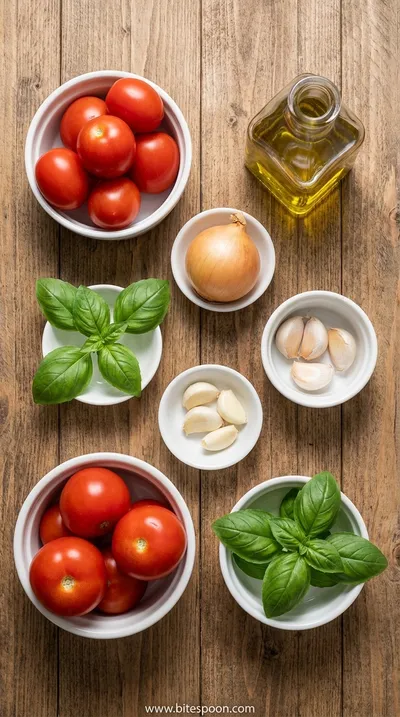
Start by gathering all your ingredients - it makes the process so much smoother when everything is within reach. I love taking a moment to appreciate the colors and textures before I begin. The vibrant green zucchini, the papery onion skin, the fresh herbs.
Chopping vegetables can be meditative if you let it. I put on some soft music and enjoy the rhythmic motion of the knife. Cut the zucchini into half-moons about ¼ inch thick - they'll cook evenly this way. The onion gets diced finely so it melts into the broth beautifully.
I always take a deep breath and smile at this point. There's something so satisfying about seeing all these humble ingredients waiting to become something greater than the sum of their parts. It's like the quiet before the magic happens.
Measure out your broth and have your herbs ready. This little bit of organization makes the actual cooking feel effortless. You can focus on the experience rather than searching for ingredients mid-recipe.
-
Cooking:
Heat a tablespoon of olive oil in your heaviest pot over medium heat. I love that first sizzle when the onions hit the oil - it's the sound of good things to come. Stir them occasionally as they soften and turn translucent, about 5-7 minutes.
Add the garlic and cook for just a minute until fragrant. Be careful not to burn it - garlic can turn bitter if it gets too dark. Then in go the zucchini pieces, tumbling into the pot like little green promises.
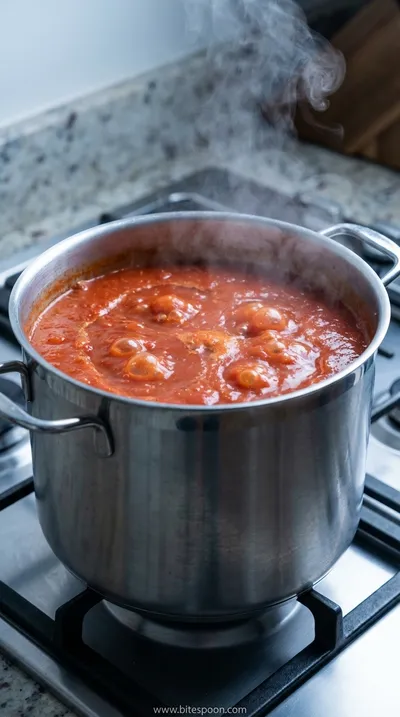
Pour in the vegetable broth and bring everything to a gentle simmer. This is when the kitchen starts to smell incredible. Lower the heat, cover the pot, and let it bubble away peacefully for about 20 minutes.
I love peeking under the lid occasionally to watch the zucchini soften and the broth take on that beautiful green hue. Stir gently once or twice, but mostly just let it do its thing. The waiting is part of the pleasure.
-
Assembly:
Once the zucchini is tender when pierced with a fork, it's time to bring everything together. If you're using an immersion blender, now's the time to carefully puree until smooth. If using a regular blender, work in batches and be very careful with the hot liquid.
I sometimes leave my soup a little chunky because I like the texture. It's completely up to you how smooth you want it. Taste and adjust seasoning - maybe a bit more salt, a squeeze of lemon juice for brightness.
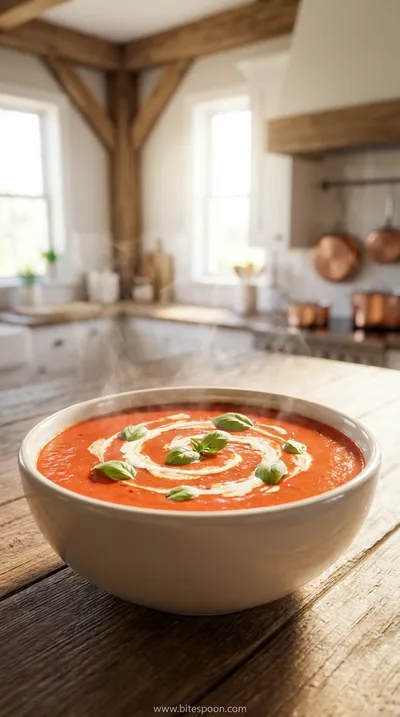
Ladle the soup into bowls and garnish with whatever makes you happy. A drizzle of good olive oil, some fresh herbs, maybe a grind of black pepper. Presentation is part of the enjoyment, even for a simple weeknight meal.
The final moment - carrying those steaming bowls to the table, watching the steam rise, seeing my family's faces light up. That's what makes all the chopping and stirring worthwhile.
-
Taste as You Go - Season in layers rather than all at once. Start with a little salt when sautéing the onions, then taste again after simmering. Your palate is your best guide, and everyone's seasoning preferences are different.
I've learned that soups often need a final adjustment right before serving. Sometimes a pinch more salt or a squeeze of lemon can transform it from good to amazing. Don't be afraid to trust your instincts.
Remember that flavors concentrate as the soup reduces, so it's better to undersalt initially. You can always add more, but you can't take it out once it's in there. I keep my salt shaker handy for that final tasting.
Honestly, this tasting process has taught me so much about balancing flavors over the years. It's how you develop your own cooking style and learn what you personally love in a dish.
-
Don't Rush the Simmer - Letting the soup bubble gently for the full 20 minutes allows the flavors to meld beautifully. Rushing this step means missing out on depth and complexity.
I think of this simmering time as the soup's meditation period. It's when all the individual ingredients decide to become friends and create something harmonious together. The zucchini softens perfectly, the onions melt into the broth.
If you're tempted to turn up the heat to speed things up, resist! Boiling too vigorously can make the vegetables mushy and break down the delicate flavors. Gentle heat is key for the best texture and taste.
This waiting time is actually a gift - you can set the table, pour drinks, or just enjoy a few quiet minutes. The soup is doing the work for you, transforming into something wonderful while you take a breath.
-
Garnish with Love - The final touches make even a simple soup feel special. Fresh herbs, a drizzle of good oil, maybe some crunchy croutons - these small additions elevate the experience.
I love watching my family customize their bowls with different garnishes. My daughter always wants extra black pepper, my husband loves a sprinkle of red pepper flakes. It makes the meal feel personalized and cared for.
Even on busy nights, taking thirty seconds to add a beautiful garnish changes how we experience the meal. It says "this wasn't just thrown together" even when it totally was, and that mental shift matters.
The garnishes also add different textures and temperatures that make each spoonful interesting. A cool dollop of yogurt against warm soup, the crunch of seeds - these contrasts keep your palate engaged and happy.
Pro Tips
These little tricks have transformed my soup-making over the years. They're not complicated, just small attentions that make a big difference in the final result. The beauty of soup is that it's forgiving - even if you make a mistake, it usually still tastes wonderful.
The Magic of Simple Ingredients
There's something almost magical about what happens when basic vegetables meet heat and time. The zucchini that started crisp and fresh becomes tender and almost creamy. The sharp onion transforms into something sweet and mellow. It's alchemy in its simplest, most beautiful form.
I often think about how our grandmothers cooked without fancy equipment or exotic ingredients. They understood that good food comes from respecting what you have. This soup embodies that wisdom - it doesn't need truffles or rare spices to be deeply satisfying.
The process itself becomes part of the nourishment. The rhythmic chopping, the patient stirring, the anticipation as smells fill the kitchen. In our fast-paced world, taking thirty minutes to make something from scratch feels like a small rebellion against convenience culture.
And the result? A bowl of comfort that feels like it understands exactly what you need. Whether it's been a tough day or a joyful one, this soup meets you where you are and makes everything feel just a little bit better.
You Must Know
-
Freshness Matters - Use the best vegetables you can find. They don't need to be perfect, but they should feel vibrant and alive. Your soup will thank you with deeper flavor and better texture.
-
Patience is a Virtue - Don't rush the cooking process. Good soup needs time for flavors to develop. The twenty minutes of simmering is non-negotiable for the best results.
-
Season Thoughtfully - Taste as you go and adjust seasoning gradually. Remember you can always add more salt, but you can't take it out once it's in the pot.
Frequently Asked Questions
→ Can I freeze this zucchini soup?
Absolutely! This soup freezes beautifully for up to three months. Let it cool completely before transferring to freezer-safe containers, leaving about an inch of space at the top for expansion. I like to freeze it in individual portions for easy meals.
When you're ready to enjoy it, thaw overnight in the refrigerator or gently reheat from frozen. You might need to add a splash of broth or water when reheating as it can thicken slightly during freezing.
I often make a double batch specifically for freezing. Having homemade soup ready to go feels like having a secret weapon for busy weeks. It's such a comfort knowing there's something nourishing waiting when I don't have time to cook.
The texture might separate a bit after freezing - just give it a good stir when reheating. A quick whirl with an immersion blender can bring it back to perfect smoothness if needed.
Honestly, frozen soup is one of my favorite kitchen hacks. It's like giving your future self a warm hug on a hectic day.
→ What can I serve with this soup?
This soup is wonderful on its own, but it also pairs beautifully with so many things. Crusty bread for dipping is my personal favorite - there's nothing like sopping up that last bit of broth with a good piece of bread.
For a heartier meal, serve it with a simple green salad or a quick bread on the side. The contrast of temperatures and textures makes the meal feel more complete and satisfying.
If you're feeling fancy, a grilled cheese sandwich turns soup into the ultimate comfort meal. The combination of warm, melty cheese and smooth soup is pure childhood nostalgia for me.
In summer, I might serve it chilled with a light pasta salad. The same soup takes on a completely different character when served cold - refreshing and bright rather than warming and cozy.
The beauty of soup is its versatility. It adapts to whatever mood you're in or whatever you have available. Don't be afraid to get creative with your pairings!
→ Can I make this soup creamier?
Definitely! There are several ways to add creaminess without compromising the fresh vegetable flavor. A splash of coconut milk or cream added at the end gives wonderful richness while keeping it dairy-free if needed.
For a more indulgent version, stir in a tablespoon of cream cheese or mascarpone after blending. It melts into the most luxurious texture that still lets the zucchini shine through.
If you want to keep it light, a cooked potato blended with the soup adds natural creaminess without the calories. Yukon gold potatoes work particularly well for their buttery texture.
I sometimes add a handful of cooked white beans before blending - they puree into the most wonderful creamy consistency while adding protein and fiber.
The key is to add any creamy elements after the soup is cooked and while blending. This way you can control the texture perfectly and avoid curdling if using dairy products.
→ How can I make this soup more substantial?
There are so many ways to turn this soup into a complete meal! Adding cooked chicken or beans makes it hearty enough for dinner. I often stir in some shredded rotisserie chicken during the last five minutes of cooking.
For a vegetarian option, white beans or chickpeas add wonderful texture and protein. If you're using canned, rinse them well first and add towards the end so they don't get mushy.
Sometimes I'll serve the soup over cooked rice or quinoa right in the bowl. The grains absorb the broth beautifully and make it incredibly satisfying. It's like a deconstructed risotto in the best way.
Another favorite trick is to top it with a poached egg - the runny yolk mixing with the soup creates the most luxurious sauce. It turns a simple bowl into something truly special.
Honestly, this soup is such a great base for improvisation. Don't be afraid to make it your own by adding what sounds good to you!
→ Can I use frozen zucchini?
You can, but fresh really works best for this particular recipe. Frozen zucchini tends to be much waterier, which can affect the final texture of your soup. If you do use frozen, there are a few adjustments I'd recommend.
Thaw the zucchini completely and squeeze out as much excess water as possible before cooking. This helps prevent the soup from becoming too thin. You might need to reduce the amount of broth slightly to compensate.
The cooking time may be shorter since frozen zucchini is already partially broken down. Keep an eye on it and taste frequently towards the end of cooking.
That said, fresh zucchini has a brighter, cleaner flavor that really shines in this simple preparation. If you have garden zucchini to use up, this soup is a perfect way to enjoy it.
In a pinch, frozen will work, but if you have access to fresh, I'd definitely recommend it for the best results. The texture and flavor difference is noticeable in such a simple recipe.
→ What if I don't have an immersion blender?
No problem at all! A regular blender works perfectly fine - you'll just need to work in batches and be extra careful with the hot liquid. Let the soup cool slightly before blending, and never fill the blender more than halfway.
Remove the center cap from the lid and cover with a kitchen towel instead. This allows steam to escape and prevents pressure buildup that could cause the lid to blow off - trust me, I learned this the messy way!
You can also use a food processor, though the texture might be slightly different. Pulse rather than blend continuously to avoid over-processing.
If you prefer chunkier soup, you don't need to blend at all! Just break up the vegetables slightly with a potato masher or the back of a spoon. The soup will be more rustic but equally delicious.
Honestly, some of my favorite versions of this soup have been when I've skipped the blending altogether. The texture feels more substantial and homemade in the best way.
→ How long will leftovers keep?
Leftovers will keep beautifully in the refrigerator for 3-4 days. Store them in an airtight container once completely cooled. I find soup often tastes even better the next day as the flavors have more time to meld together.
When reheating, do it gently over medium-low heat rather than boiling vigorously. Stir occasionally to prevent sticking and ensure even heating. You might need to add a splash of water or broth if it has thickened in the fridge.
If the soup separates upon standing, don't worry! Just give it a good stir or quick blend with an immersion blender to bring it back together. The ingredients are meant to be friends, they just need a little encouragement sometimes.
I often make extra specifically for leftovers. Having homemade soup ready to go makes hectic weeknights so much easier. It's one less thing to think about when everyone is hungry and tired.
The convenience factor alone makes this recipe worth doubling. Future you will be so grateful to past you for the thoughtful meal preparation!
→ Can I make this soup in a slow cooker?
Absolutely! This soup adapts wonderfully to slow cooker preparation. Sauté the onions and garlic first for the best flavor development, then transfer everything to your slow cooker.
Cook on low for 4-6 hours or high for 2-3 hours, until the zucchini is very tender. The longer cooking time allows the flavors to develop even more deeply, resulting in an incredibly rich soup.
If you're adding any protein like chicken or beans, add them during the last hour of cooking so they don't get too soft. Delicate herbs should also be added towards the end to preserve their fresh flavor.
The slow cooker method is perfect for days when you want dinner waiting for you. Coming home to a house that smells like simmering soup is one of life's simple pleasures, honestly.
Just remember that slow cookers vary, so keep an eye on it the first time you make it. You may need to adjust the timing slightly based on your specific appliance.
Nutrition Facts
per serving
120
Calories
3g
Protein
12g
Carbs
7g
Fat
Taste Profile
Comforting and balanced with subtle sweetness from onions and zucchini
Ingredient Substitutions
Don't have an ingredient? Try these alternatives
Adjust cooking time slightly as these may have different water content
Water will result in a lighter, more vegetable-forward flavor profile
Different herbs will change the character but still work beautifully
Recipe Variations
Try these delicious twists on the original
Creamy Version
Add ½ cup of coconut milk or cream during the final blending stage for extra richness
Spicy Twist
Include a pinch of red pepper flakes when sautéing onions or garnish with chili oil
Herb Garden Version
Use fresh basil, mint, or parsley instead of dried thyme for brighter flavor
Common Mistakes to Avoid
Learn from others' mistakes for perfect results
- Overcrowding the pan when sautéing - causes steaming instead of proper browning
- Boiling instead of simmering - can make vegetables mushy and break down flavors
- Adding salt all at once - prevents proper seasoning adjustment throughout cooking
- Not tasting before serving - misses opportunity for final flavor balancing
- Using tired vegetables - affects the fresh, bright flavor of the final soup
Meal Prep & Storage
Make Ahead Tips
You can chop the vegetables up to 24 hours in advance and store them in airtight containers in the refrigerator. The onion and garlic can be prepped together, while zucchini is best stored separately to prevent excess moisture. The soup itself tastes even better when made a day ahead. The flavors have more time to develop and harmonize. Simply reheat gently before serving. If you're meal prepping, this soup stores beautifully for several days. I often make a double batch on Sunday for easy lunches throughout the week. The broth mixture can be measured out ahead of time, and herbs can be prepped and refrigerated. Having everything ready makes the actual cooking process feel effortless and enjoyable.
Leftover Ideas
Leftovers make wonderful next-day lunches - the flavors continue to develop and often taste even better. Reheat gently on the stove or in the microwave, adding a splash of water if needed. For a creative twist, use leftover soup as a sauce for pasta or grains. Thin it slightly with broth and toss with cooked noodles for a quick pasta dish. Cold soup can be transformed into a refreshing summer meal. Serve it chilled with fresh herbs and a dollop of yogurt for a different experience. Don't discard small amounts of leftover soup - freeze them in ice cube trays to use as flavor boosters for future recipes or sauces.
Perfect Pairings
Serve this with...
Cooking Timeline
Prep all ingredients - dice onion, mince garlic, slice zucchini
Sauté onions until translucent, add garlic and zucchini
Add broth and simmer until zucchini is tender
Blend soup, adjust seasoning, garnish and serve
Simple Soup Recipes: Quick & Easy Everyday Meals
Warm, comforting soup recipes perfect for busy days. Easy to make with simple ingredients from your pantry.
Timing
Prep Time
15 Minutes
Cook Time
25 Minutes
Total Time
40 Minutes
Recipe Details
Ingredients
Soup Base
-
01
2 tablespoons olive oil
-
02
1 large yellow onion, diced
-
03
3 cloves garlic, minced
-
04
4 medium zucchini, cut into ½-inch slices
-
05
4 cups vegetable broth
-
06
1 teaspoon salt
-
07
½ teaspoon black pepper
-
08
1 teaspoon dried thyme
For Serving
-
01
Fresh parsley or basil for garnish
-
02
Extra virgin olive oil for drizzling
-
03
Crusty bread for dipping
Instructions
Heat the olive oil in a large pot over medium heat. Add the diced onion and cook, stirring occasionally, until softened and translucent, about 5-7 minutes. The kitchen will start to smell amazing as the onions release their sweet aroma. I always love this first step - it feels like the beginning of something wonderful.
You'll know the onions are ready when they've lost their sharpness and taken on a gentle golden color. Don't rush this part - the slow cooking builds the foundation of flavor for your entire soup. Stir them occasionally to prevent burning.
If the onions start to brown too quickly, reduce the heat slightly. We want them soft and sweet, not crispy or burnt. This gentle cooking transforms the onion's character completely.
Take a moment to appreciate how something as simple as an onion can become the heart of a meal. It's these small transformations that make cooking so magical to me.
Add the minced garlic to the pot and cook for just 1 minute until fragrant. Be careful not to burn the garlic - it can turn bitter if overcooked. The combination of onion and garlic smells like home to me every single time.
Now add the sliced zucchini to the pot. I love how the green circles tumble in, looking so fresh and vibrant. Stir everything together so the zucchini gets coated with the oil and aromatics.
Cook for another 2-3 minutes, just until the zucchini starts to soften slightly. You'll see the bright green color intensify as it heats up. This quick sauté helps develop the zucchini's flavor before we add the liquid.
The sizzle when the vegetables hit the hot oil is one of my favorite kitchen sounds. It's the promise of good things to come, the start of the transformation from raw ingredients to comforting meal.
Pour in the vegetable broth and add the salt, pepper, and thyme. Bring the soup to a gentle boil, then reduce the heat to low. Cover the pot and let it simmer for 20 minutes.
I love this waiting period - the gentle bubbling sound becomes the background music of the kitchen. Peek under the lid occasionally to watch the zucchini soften and the broth take on that beautiful green hue.
The twenty minutes might seem long, but it's essential for the flavors to meld together properly. This is when the magic happens - the individual ingredients deciding to become something greater together.
Use this time to set the table, maybe slice some bread for serving, or just enjoy a few quiet minutes. The soup is doing the work for you, transforming into comfort while you take a breath.
After 20 minutes, check that the zucchini is tender when pierced with a fork. If using an immersion blender, carefully puree the soup until smooth. For a regular blender, work in batches and be very cautious with the hot liquid.
Taste and adjust seasoning - you might want more salt or a squeeze of lemon juice for brightness. I always do this final tasting right before serving to make sure everything is perfectly balanced.
Ladle the soup into bowls and garnish with fresh herbs and a drizzle of good olive oil. The presentation is part of the enjoyment, even for a simple weeknight meal.
Carry those steaming bowls to the table and watch the faces around you light up. That moment of sharing something you made with love is what cooking is really all about for me.
Notes & Tips
-
1
Freshness is key - The quality of your zucchini really matters here. Look for firm, bright green vegetables that feel heavy for their size. Older zucchini can be bitter and watery, which affects the soup's flavor.
I've learned to be picky about my zucchini at the market. They should almost crunch with freshness when you slice into them. That vibrant green flesh will transform into the most wonderful texture when simmered.
If you have a garden, this is the perfect way to use up that summer bounty. There's something special about making soup from vegetables you've watched grow from tiny seeds.
Even if you're using store-bought, take a moment to choose the best available. Your soup will thank you with cleaner, brighter flavor that truly showcases the main ingredient.
-
2
Season in layers - Add salt gradually throughout the cooking process rather than all at once. Start with a pinch when sautéing the onions, then taste again after simmering.
I keep my salt shaker handy throughout the cooking process. Seasoning in stages allows you to build complexity and avoid over-salting. Your palate is your best guide here.
Remember that flavors concentrate as the soup reduces, so it's better to be conservative initially. You can always add more at the end, but you can't take it out once it's in there.
This layered seasoning approach has transformed my cooking over the years. It's how you develop intuition and learn what balance feels right to you personally.
-
3
Embrace improvisation - This recipe welcomes creativity! Don't have thyme? Use rosemary or oregano. Want more protein? Add some white beans or shredded chicken.
Some of my best versions of this soup have been when I've used what I had on hand. That half-bag of spinach in the fridge? Toss it in during the last few minutes.
The beauty of soup is its flexibility. It becomes a canvas for your current mood or what's seasonal and available. Don't be afraid to make it your own.
I often think the best recipes are those that inspire you to cook rather than follow instructions exactly. This one gives you a wonderful foundation to build upon.

Tools You'll Need
-
Large heavy-bottomed pot - A good pot distributes heat evenly and prevents burning. I love my enameled cast iron one - it feels substantial and reliable, like it's been making good food for generations.
The weight of the pot matters more than you might think. Lightweight pots can have hot spots that cause uneven cooking, while heavy ones maintain steady temperature throughout.
I've had my favorite soup pot for fifteen years now. It has stories baked into its surface - literally! Every scratch and stain represents a meal shared with people I love.
When you find a pot that feels right in your hands, it becomes more than just kitchen equipment. It becomes a partner in creating comfort and nourishment.
-
Immersion blender - While not strictly necessary, an immersion blender makes achieving smooth soup so much easier. No transferring hot liquid between containers, no messy cleanup.
I resisted getting one for years, thinking it was a unnecessary gadget. But wow, was I wrong! It's probably my most-used kitchen tool now, especially for soups and sauces.
The convenience factor is huge - you can blend right in the pot, adjusting the texture exactly how you want it. Some chunks left for texture? Perfect. Completely smooth? Easy.
If you make soup regularly, an immersion blender is worth every penny. It turns a potentially messy step into something quick and effortless.
-
Good cutting board - A sturdy cutting board makes prep work so much more pleasant. I prefer wood for its natural antibacterial properties and gentle surface that's kind to knife edges.
The size matters too - you want enough room to chop comfortably without vegetables rolling onto the counter. My large bamboo board has been with me through thousands of meals.
I love the sound of a knife against a good cutting board. It's rhythmic and soothing, like the percussion section of kitchen music. The board becomes part of the ritual.
Taking care of your cutting board - oiling it occasionally, keeping it clean - is part of respecting your tools. They give so much to us, they deserve a little care in return.
-
Sharp chef's knife - A sharp knife is safer and makes prep work joyful rather than chore-like. Dull knives require more pressure and can slip, while sharp ones glide through vegetables effortlessly.
I remember learning to properly hold a knife from my grandmother. Her hands, weathered from years of cooking, showed me how to find the balance point and let the knife do the work.
The right knife becomes an extension of your hand. You're not fighting with ingredients; you're working with them, respecting their structure and texture.
Keeping your knives sharp is an act of self-care for any cook. It makes every cutting task more precise, more efficient, and honestly, more enjoyable.
Must-Know Tips
-
Don't overcrowd the pan - When sautéing the onions, give them space to cook properly. If they're piled on top of each other, they'll steam rather than caramelize.
I've learned this lesson the hard way - impatiently dumping everything in at once results in boiled-tasting vegetables instead of properly sautéed ones. Patience pays off in flavor.
The ideal is a single layer of onion pieces with a little space between them. This allows the moisture to evaporate properly and creates that wonderful golden color we want.
If your pot is small, cook the onions in batches. It takes a few extra minutes but makes a noticeable difference in the final result. Good foundations matter in soup making.
-
Let the soup rest - After blending, let the soup sit for 5-10 minutes before serving. This allows the flavors to settle and any foam from blending to dissipate.
I used to serve soup immediately after making it, but I've learned that this brief resting period improves both texture and taste. The flavors have time to harmonize completely.
This resting time also gives you a moment to finalize garnishes, pour drinks, or just take a breath before serving. Rushing the final steps can mean missing small details.
The soup will stay plenty hot during this short rest, so don't worry about it cooling down. Actually, it becomes the perfect eating temperature - warm but not scalding.
-
Taste as you go - This might be the most important tip of all. Your palate is your best cooking tool, so use it throughout the process.
Taste after sautéing the onions, taste after adding broth, taste before serving. Each stage has different flavor characteristics that guide your seasoning decisions.
I've developed my own cooking style largely through this constant tasting. You learn what balance you prefer, how much salt feels right to you, when something needs acidity or sweetness.
Don't be afraid to trust your instincts. Recipes are guidelines, but your taste buds are the ultimate authority on what's delicious to you.
Professional Secrets
-
Room temperature ingredients - Taking your vegetables out of the refrigerator about 30 minutes before cooking helps them cook more evenly. Cold vegetables can lower the pan temperature suddenly.
I used to chop straight from the fridge, but I've noticed a real difference since I started letting things come to room temperature first. The cooking is more consistent throughout.
This is especially important for dense vegetables like carrots or potatoes, but it helps with zucchini too. They seem to release their flavors more willingly when not ice-cold.
It's a small habit that costs nothing but makes your cooking more professional. The vegetables seem happier somehow, like they're ready to participate in the transformation.
-
Deglaze properly - After sautéing the onions and garlic, if there are any browned bits stuck to the bottom, add a splash of broth and scrape them up before adding the main liquid.
Those browned bits are pure flavor gold! They contain concentrated taste that would otherwise be wasted. Deglazing captures every bit of deliciousness for your soup.
The sizzle and steam when the liquid hits the hot pan is so satisfying. You can see and hear the flavor being released and incorporated into the broth.
This is one of those restaurant tricks that home cooks often miss. It takes seconds but elevates the entire dish with deeper, more complex flavor profiles.
-
Finish with good oil - A drizzle of high-quality extra virgin olive oil at the end adds fragrance and richness that cooking oil can't provide.
The fresh, fruity notes of good olive oil brighten the soup and add another layer of complexity. It's like the final tuning of an instrument before a performance.
I keep a small bottle of my best oil specifically for finishing dishes. It's worth the splurge for how it transforms simple food into something special.
This final touch shows care and attention to detail. It says "this meal was made with love" even if it only took thirty minutes to prepare.

Recipe by
Alexa CarterFast food, but smarter 🔥🍽️ Bold flavors, simple steps, and meals that always hit the spot 😎
Get Delicious Recipes Weekly
Join 25,000+ home cooks getting our best recipes straight to their inbox.
Free forever • No spam • Unsubscribe anytime