
The tradition of using wild yeast for bread stretches back thousands of years, long before commercial packets existed. In ancient times, a simple sourdough pizza crust would have been the heartbeat of the home, with starters passed down through generations like family heirlooms. The slow fermentation process isn't just about flavor; it's a chemistry lesson in patience.
In Italy, the art of the pizza base evolved into a precise science, but the soul of it remains in the grain and the water. The introduction of sourdough into pizza making brings a nuanced acidity that cuts through the richness of cheese and sauce, echoing the rustic breads of the Mediterranean countryside.
Modern home cooking has embraced this rhythm again. By using a slow-rise method, the gluten in the bread flour relaxes, creating those beautiful, airy bubbles in the crust. It is a return to a more reflective way of eating, where the time spent waiting for the dough to rise is just as important as the meal itself.
Why You'll Love It
-
- Honestly, using frozen sourdough starter is such a lifesaver for those of us who don't always have a bubbly jar ready to go. It makes the whole process feel so much more gentle and approachable.
-
- There is just something about the smell of that 2 cups (240 g) bread flour mixing with the sourdough that reminds me of my grandmother's kitchen. It's a warm, comforting scent that fills the house.
-
- Well, look, the crust comes out with this lovely, light crispness that holds up to any topping you can dream up. It's just the right balance of chew and crunch.
-
- I mean, it's such a grounded way to spend an afternoon, just kneading the dough by hand and letting it rest. It really slows everything down in the best way.
"I mean, I was scared to try sourdough, but this was so easy. The crust is just perfect—crispy and so light!"
Essential Ingredient Guide
- 2 cups (240 g) bread flour: I always reach for bread flour because it gives the crust that wonderful, sturdy chew. Just be sure to keep a little extra for dusting your surface so things don't get too sticky, oops.
- 1/2 cup (120 mL) frozen sourdough starter: This is the heart of the recipe, really. Just let it thaw slowly at room temperature until it's bubbling and happy; it's like waking up a sleepy friend.
- 1 tablespoon (15 mL) olive oil: A bit of olive oil keeps the dough supple and adds a subtle, fruity richness. It's what helps the crust feel tender rather than just hard.
- 1 teaspoon (6 g) salt: Don't skip this, dang, or the bread will taste flat. It wakes up all the other flavors and keeps the fermentation from going too wild.
- 3/4 cup (180 mL) lukewarm water: Make sure it's just lukewarm, not hot, or you'll hurt the starter. It's the gentle nudge the flour needs to come together into a shaggy dough.
- 1 teaspoon (4 g) sugar: This one is optional, but I love it for that deep golden browning. It just adds a tiny hint of sweetness that balances the tang of the sourdough.

Complete Cooking Process
-
Ingredient Readiness:
We start by letting the 1/2 cup (120 mL) frozen sourdough starter thaw out until it's bubbly. Then, we whisk the dry bits together to make sure the salt and sugar are evenly spread before the wet ingredients join the party.
-
Flavor Development:
The real magic happens during that one-hour rest at room temperature. That's when the sourdough does its slow dance, developing that signature tang we all love.
-
Texture Control:
Kneading for about 5-6 minutes is key to getting that elastic feel. Letting the disc rest for another 20 minutes after shaping is a little trick that keeps the dough from springing back when you roll it.
-
Finishing Touches:
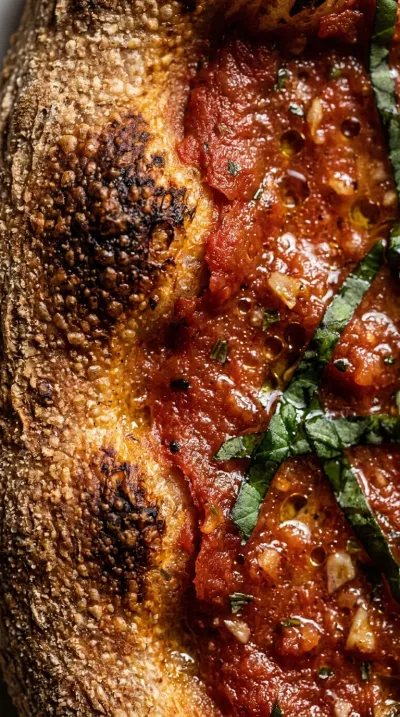
I like to bake the crust until the edges are a beautiful golden brown. If you want it extra crisp, a tiny brush of olive oil on the edges before they hit the oven does wonders.
-
Serving Timing:
Let the baked crust cool for just 2 minutes before adding your toppings. It's just enough time to settle, so your sauce doesn't soak in too fast.
-
If you're in a rush, you can skip the bulk rise, though the crust will be a bit denser.
-
Bakery-grade bread flour gives you the best rise and that perfect chew.
-
Try mixing in 25% whole-wheat flour if you're feeling like a heartier flavor.
-
Preheat your stone or baking sheet for at least 10 minutes to get a professional sear.
Pro Tips
Just take your time and enjoy the process; your kitchen will smell wonderful.


Better For You Treats
Sourdough is just so much kinder to the tummy than regular yeast bread. Those natural fermentations help with digestion, and if you pair your slice with lots of fresh veggies, it's a lovely, balanced meal.
Ways to Make it Your Own
I sometimes fold in 2 tbs fresh rosemary and a pinch of garlic powder for a fragrant base. Or, you could swap out 25% of the bread flour for whole-wheat flour for a nuttier, fiber-rich crust.
Serving Suggestions
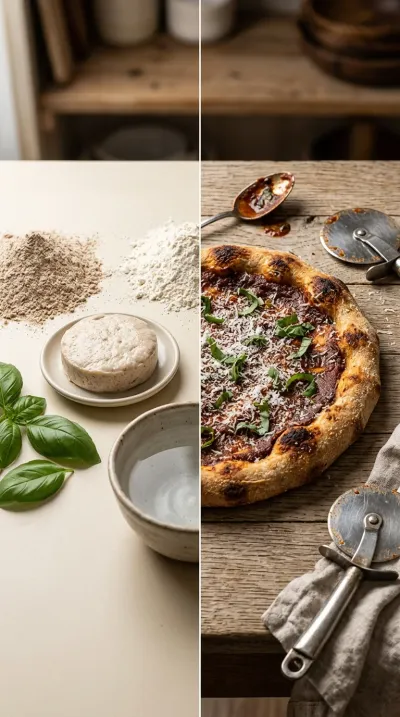
A classic Margherita with fresh basil is always a winner. But wow, if you're feeling fancy, try some pesto and goat cheese, or even scrambled eggs and turkey ham for a cozy breakfast pizza.
Frequently Asked Questions
→ What if my dough is too sticky to knead?
Just sprinkle a little more bread flour on your hands and the counter. It'll come together, just be patient with it.
→ Can I make the dough ahead of time?
Oh, absolutely. You can keep it in an airtight container for 24 hours at room temperature, or freeze it for up to 3 months.
→ Do I really need a pizza stone?
No, you don't! An inverted baking sheet works just fine; it's all about getting that surface nice and hot.
Nutrition Facts
per serving
780
Calories
38g
Protein
112g
Carbs
18g
Fat
Taste Profile
A gentle sourdough tang balanced by a salty, buttery finish.
Ingredient Substitutions
Don't have an ingredient? Try these alternatives
The crust will be softer and less chewy.
Works well as a neutral substitute.
Recipe Variations
Try these delicious twists on the original
Herbed Sourdough Pizza Crust
Fold 2 tbs fresh rosemary, 1 tsp dried oregano, and a pinch of garlic powder into the dough during kneading for a fragrant base.
Whole–Wheat Sourdough Pizza Crust
Replace 25% of the bread flour with whole–wheat flour to add fiber and a nutty flavor, keeping the rest of the ingredients unchanged.
Common Mistakes to Avoid
Learn from others' mistakes for perfect results
- Using cold starter: If it's not thawed and bubbling, the rise will be sluggish.
- Over-flouring the surface: Too much extra flour can make the crust tough.
- Skipping the second rest: Rolling out immediately after punching down often leads to shrinkage.
Meal Prep & Storage
Make Ahead Tips
You can wrap the dough tightly in plastic wrap and freeze it in a freezer bag for up to 3 months. Just remember to thaw it overnight in the fridge.
Leftover Ideas
Store baked crust in an airtight container. Reheat in the oven at 350 °F for a few minutes to bring back the crispiness.
Perfect Pairings
Serve this with...
Cooking Timeline
Thaw the sourdough starter at room temperature
Mix dry ingredients and incorporate wet ingredients
Knead the dough until elastic and tacky
Allow the dough to undergo its 1-hour bulk rise
Shape, rest for 20 minutes, and bake in a preheated oven


Simple Sourdough Pizza Crust – Easy Step‑By‑Step Recipe
There is nothing quite like the smell of a simple sourdough pizza crust browning in a hot oven. With 2 cups (240 g) bread flour and a touch of olive oil, this base comes out light, crisp, and perfectly tangy.
Timing
Prep Time
10 Minutes
Cook Time
12 Minutes
Total Time
22 Minutes
Recipe Details
Ingredients
Main Ingredients
-
01
2 cups (240 g) bread flour, plus extra for dusting
-
02
3/4 cup (180 mL) lukewarm water
-
03
1/2 cup (120 mL) frozen sourdough starter, thawed
-
04
1 teaspoon (6 g) salt
-
05
1 tablespoon (15 mL) olive oil
-
06
1 teaspoon (4 g) sugar (optional, for browning)
Instructions
First things first, let your frozen sourdough starter thaw at room temperature for about 30–45 minutes. You're looking for it to be fully thawed and showing lots of those lovely little bubbles.
In a large mixing bowl, whisk together your 2 cups (240 g) bread flour, 1 teaspoon (6 g) salt, and 1 teaspoon (4 g) sugar (if you're using it). I usually add a tiny pinch of cold water just to help make a dry, crumbly mixture.
Now, stir in that thawed 1/2 cup (120 mL) frozen sourdough starter, 3/4 cup (180 mL) lukewarm water, and 1 tablespoon (15 mL) olive oil. Just use a spatula or your hands until a shaggy dough forms—it'll look a bit messy, and that's just fine.
Move the dough to a lightly floured surface and knead it for about 5–6 minutes. You want it to feel elastic and just a bit tacky. Honestly, if you have a stand mixer, you can just use the dough hook on low speed for the same amount of time.
Shape it into a nice ball and pop it into a lightly oiled bowl. Cover it up with plastic wrap or a damp towel and let it rest at room temperature for 1 hour. This is where the fermentation happens and the gluten relaxes.
After the bulk rise, gently punch down the dough—don't be too rough!—and shape it into a round disc about 12 inches across. Now, let it rest for another 20 minutes; believe me, it makes rolling it out so much easier.
It's time to get the heat going. Preheat your oven to 475 °F (246 °C) with a pizza stone or an inverted baking sheet inside for at least 10 minutes.
Flour your rolling pin and work surface, then roll the rested dough to however thick you like it. Carefully transfer it onto that hot stone using a pizza peel or some parchment paper.
Bake your crust for 12–14 minutes. You'll know it's ready when the edges are a beautiful golden brown and the center feels firm when you give it a gentle press.
Take it out and let it cool for 2 minutes. Now comes the fun part: add your favorite sauce and cheese. You can bake it again if you like it melty, or just serve it fresh with some herbs.
Notes & Tips
-
1
The 1-hour bulk rise is helpful for texture, but optional if you're in a rush.
-
2
Bakery-grade bread flour provides a better chew than all-purpose.
-
3
A preheated stone is the secret to that professional crispiness.

Tools You'll Need
-
Large mixing bowl for combining ingredients
-
Spatula or wooden spoon for initial stirring
-
Stand mixer with dough hook (optional, for easier kneading)
-
Laboratory scale or measuring cups for precision
-
Pizza stone or baking sheet for a crisp base
-
Pizza peel or spatula for transferring dough
-
Recipe timer or stopwatch to track the rise
-
Oven for baking
Must-Know Tips
-
Bulk Rise, If you skip the 1-hour rise, the crust will be slightly denser.
-
Flour Choice, Use bread flour for the best rise; you can swap 25% for whole-wheat for a heartier taste.
-
Edge Crispiness, Lightly brush the unbaked edges with olive oil before baking for extra crunch.
Professional Secrets
-
The 20-minute rest after shaping prevents the dough from snapping back during rolling.
-
Preheating the baking sheet for 10 minutes mimics a professional pizza oven.
-
Using a tiny pinch of water in the dry mix ensures the salt and sugar distribute evenly.
What readers are saying
Community reviews from home cooks like you
Perfect for a busy weeknight. I really liked how the 2 cups (240 g) bread flour, plus extra for dusting and 3/4 cup (180 mL) lukewarm water came together. I swapped one ingredient and it still worked. My kids even asked for seconds.
Pretty good overall. The dusting flavor was nice, but my oven needed an extra 5 minutes. I might try it again with some adjustments.
Perfect for a busy weeknight. I really liked how the 2 cups (240 g) bread flour, plus extra for dusting and 3/4 cup (180 mL) lukewarm water came together. Next time I'll double the sauce. Perfect as written.
Will definitely make this again. I really liked how the 2 cups (240 g) bread flour, plus extra for dusting and 3/4 cup (180 mL) lukewarm water came together. My oven needed an extra 5 minutes. Already shared it with a friend.
So easy and delicious. I really liked how the 2 cups (240 g) bread flour, plus extra for dusting and 3/4 cup (180 mL) lukewarm water came together. Highly recommend giving it a try.
Will definitely make this again. I really liked how the 2 cups (240 g) bread flour, plus extra for dusting and 3/4 cup (180 mL) lukewarm water came together. Thanks for sharing this one!
Absolutely loved this recipe! I really liked how the 2 cups (240 g) bread flour, plus extra for dusting and 3/4 cup (180 mL) lukewarm water came together. Great addition to my recipe rotation.

Recipe by
Sofia RiveraExploring the world through food 🌍🍲 Rich flavors, exciting dishes, and endless culinary inspiration ✨
Get Delicious Recipes Weekly
Join 25,000+ home cooks getting our best recipes straight to their inbox.
Free forever • No spam • Unsubscribe anytime