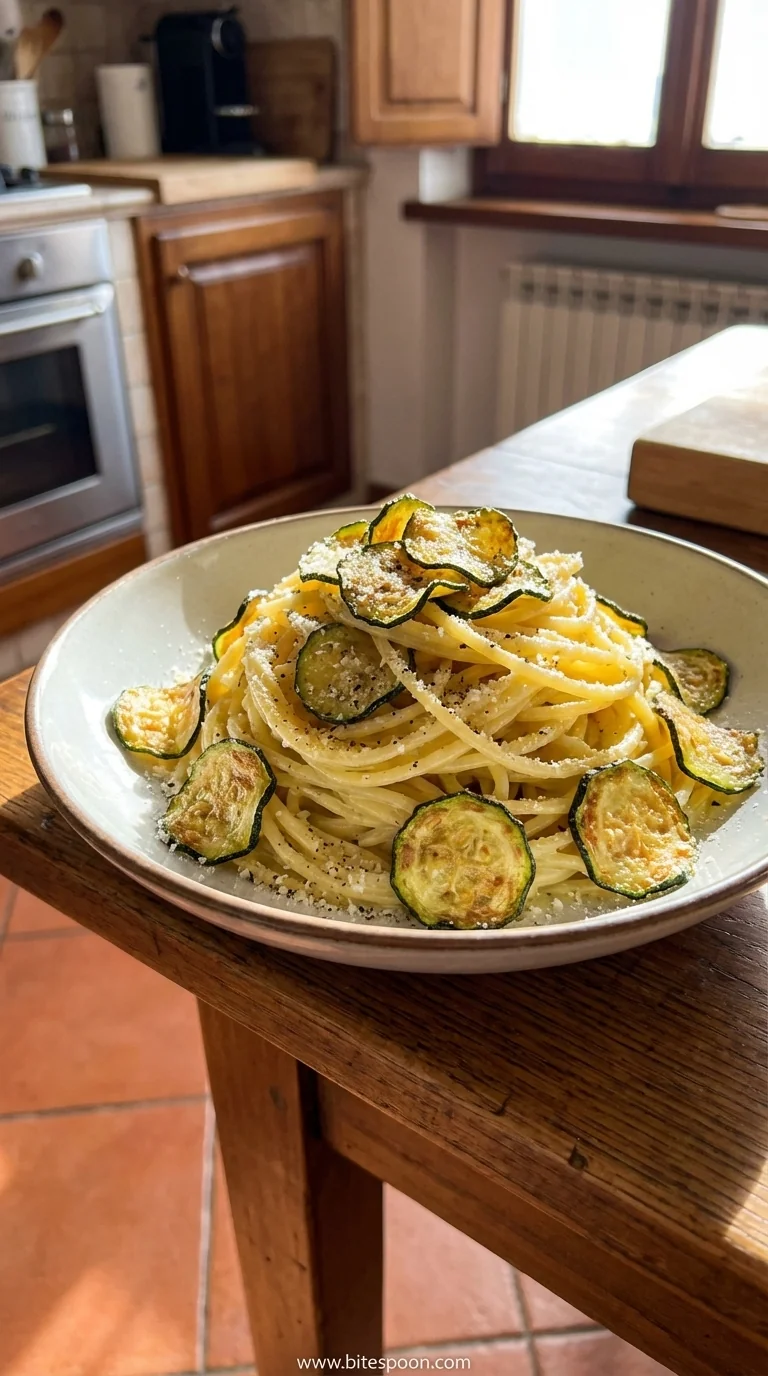
I first had this dish on a trip years ago, tucked away in a tiny restaurant overlooking the sea in a town near Nerano. The air was salty and warm, and the waiter, an older man with the kindest eyes, just smiled and said, 'You must try this.' I remember the plate arriving, looking so unassuming, just pasta with little flecks of green. But the first bite—oh, that first bite. It was a revelation. The creaminess was unreal, coating every strand of spaghetti with a savory, slightly sweet flavor I couldn't place. I had to ask how it was made, and he just winked and said, 'Zucchine, formaggio, e amore.' Zucchini, cheese, and love.
I spent the rest of that trip trying to recreate the feeling of that meal. I’d wander through the local markets, picking up the smallest, most tender zucchini I could find, smelling the fresh basil, feeling the heft of the local cheese. Back home, it became my quiet weekend project. The first few tries were, well, not quite right. A little oily, a little clumpy. But I remembered that feeling, that taste, and kept going. Now, the sound of zucchini sizzling in the pan instantly takes me back to that warm Italian evening. It's more than a recipe; it's a memory you can taste, a chance to explore flavors that are both simple and profound.
Why You'll Love This Recipe
-
Incredibly Simple Ingredients: This dish is a beautiful lesson in how just a few humble, high-quality ingredients can create something extraordinary. We’re talking zucchini, pasta, cheese, and garlic. That’s the heart of it. There are no complicated sauces or rare spices, just pure, clean flavors that shine. It’s a celebration of the garden and the pantry.
-
The Creamiest Sauce (with No Cream!): Honestly, the texture of this sauce is pure magic. It’s achieved by emulsifying the rendered fat from the fried zucchini, the starch from the pasta water, and the melted cheese. It clings to every single strand of spaghetti, creating a velvety, luxurious mouthfeel that is completely unexpected and utterly addictive.
-
A Taste of the Italian Coast: Eating this pasta feels like a mini-vacation. It’s the quintessential flavor of summer on the Amalfi Coast—sunny, fresh, and effortlessly elegant. The sweetness of the zucchini, the saltiness of the cheese, and the fragrance of basil transport you straight to a seaside trattoria with every bite. It’s a feeling as much as it is a flavor.
-
Perfectly Quick for Weeknights: While it tastes like a dish that took hours to perfect, it comes together surprisingly fast, making it one of my favorite quick easy everyday recipes. Once you get the rhythm of frying the zucchini while the pasta water boils, it’s a beautiful kitchen dance. It feels special enough for a date night in but is simple enough that you can pull it off after a long Tuesday.
This pasta is pure sunshine. The way the zucchini melts into a creamy sauce is just... wow, absolutely magical.
Essential Ingredient Guide
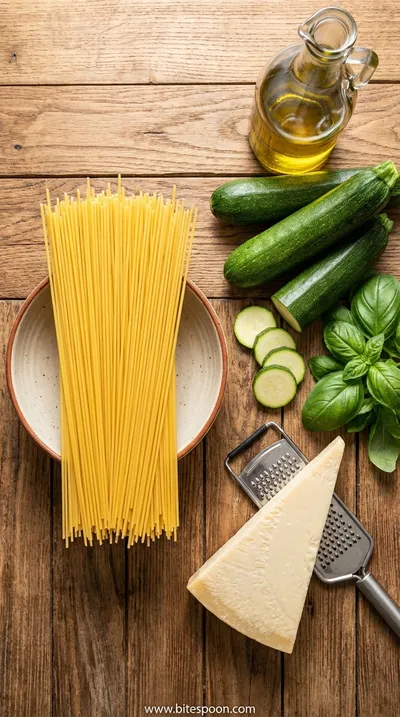
- Courgettes (Zucchini): Look for small to medium-sized zucchini, as they tend to be sweeter and have fewer seeds. The key here is slicing them very thinly and consistently, about 2-3mm thick. A mandoline is your best friend for this task! Frying them until they are deeply golden brown, not just soft, is crucial—this step caramelizes their natural sugars and builds the foundational flavor of the entire dish. Don't be afraid to get them nice and colored!
- Provolone del Monaco: This is the traditional cheese, and if you can find it, it’s a game-changer. It’s a semi-hard, aged cheese with a sharp, slightly spicy flavor that cuts through the richness beautifully. If it's unavailable, don't worry! A common and delicious substitution is a 50/50 mixture of high-quality Pecorino Romano for salt and sharpness, and Parmigiano-Reggiano for nutty depth. Grate it fresh, always—it melts so much better.
- High-Quality Spaghetti: The pasta here isn't just a vehicle; it's a core component. I recommend using a bronze-die cut spaghetti. This type of pasta has a rougher, more porous surface texture, which is absolutely perfect for grabbing onto that creamy, delicate sauce. You want every bit of that flavor clinging to the pasta, not sitting in a puddle at the bottom of the bowl. And remember to cook it just shy of al dente, as it will finish cooking in the pan.
Complete Cooking Process
-
Preparation is Everything:
This is the calm before the delicious storm. Start by getting your zucchini ready. Give them a good rinse and pat them dry; water is the enemy of a good fry. Slice them into thin, delicate rounds. I find this part so meditative, the gentle thump-thump-thump of the knife or the satisfying shing of the mandoline. Grate your cheeses into a soft, fluffy pile in a large bowl and set it aside. Mince your garlic and tear your basil leaves. Arranging everything in little bowls, mise en place style, makes the final, fast-paced steps feel graceful and easy.
-
The Golden-Brown Fry:
Now, for the step that builds all the flavor. Pour a generous amount of olive oil into a large skillet and get it shimmering over medium-high heat. You'll fry the zucchini in batches, making sure not to overcrowd the pan. This is so important! It allows each little disc to make contact with the hot oil and turn a beautiful, deep golden brown. The kitchen will start to smell incredible—sweet and toasty. Use a slotted spoon to transfer them to a plate lined with paper towels, sprinkling them with a little salt as they come out.
-
Creating the Emulsion:
This is where the magic happens, and it happens fast. While your spaghetti is boiling in very salty water, you'll start the sauce. In the same pan you used for the zucchini, gently sauté the garlic. Then, scoop your perfectly al dente pasta directly from the pot into the skillet, letting some of that precious, starchy water come along with it. Take the pan off the heat completely. This is key! Now, add the cheese, a knob of butter, and a ladle of pasta water. Toss, stir, and shake the pan vigorously. You'll see the ingredients transform from separate components into one cohesive, creamy, glossy sauce that coats every strand. It’s a beautiful moment.
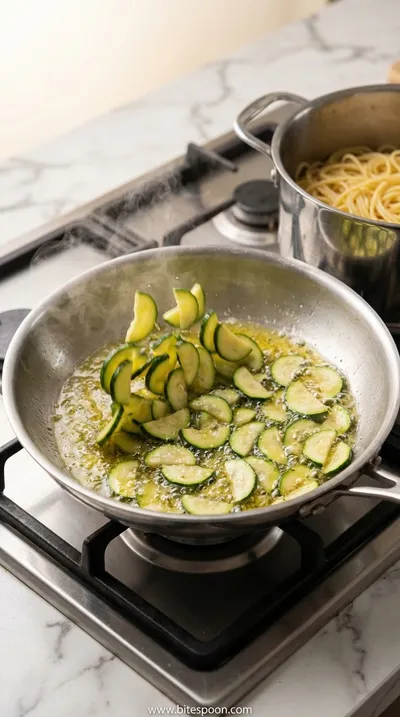
The Nerano Secret
Legend has it that this enchanting dish was born in the 1950s at a restaurant called Maria Grazia, in the tiny fishing village of Nerano on the Sorrento Peninsula. The story goes that the owner was looking for a way to use the abundant summer zucchini from her garden. Through experimentation, she discovered the magical combination of fried zucchini and local Provolone del Monaco, bound together with starchy pasta water. It became an instant classic, a secret kept by locals for years before its fame spread throughout Italy and the world. It’s a beautiful reminder that some of the best food comes from simple necessity and a touch of genius. You can read more in our food history articles.
Frequently Asked Questions
→ What if I can't find Provolone del Monaco cheese?
Don't stress at all! It's a specialty cheese and can be tricky to find outside of Italy. The best and most widely accepted substitute is a combination of finely grated Pecorino Romano and Parmigiano-Reggiano. I like to use about two-thirds Pecorino for its salty sharpness and one-third Parmesan for its nutty, complex flavor. The result is incredibly delicious and very close to the original spirit of the dish.
→ Can I use a different pasta shape?
Traditionally, this dish is made with spaghetti, and I think its long shape is perfect for swirling into the creamy sauce. However, you could absolutely use another long pasta like linguine or fettuccine. I'd probably avoid short shapes like penne or rigatoni, as you lose that lovely coating action. If you're into pasta trends, you might also like this tiktok spaghetti recipe.
→ Why are my zucchini soggy instead of golden brown?
Ah, the classic frying dilemma! This usually happens for two reasons. First, the oil might not have been hot enough when you added the zucchini. You want it to sizzle immediately. Second, and this is the most common culprit, is overcrowding the pan. When you put too many zucchini slices in at once, they steam each other instead of frying. Be patient and fry in several small batches to give each piece the space it needs to turn beautifully golden and crisp at the edges.
→ My sauce isn't creamy; it's either oily or clumpy. What did I do wrong?
This is the trickiest part of the recipe, so don't feel bad! The key to a perfect emulsion is temperature and motion. The pan must be off the heat when you add the cheese and pasta water. If it's too hot, the cheese will seize up and become clumpy or release its oil. You also need to toss and stir vigorously. This agitation is what helps the starch, water, and fat bind together into that beautiful, velvety sauce. Keep practicing, you'll get the feel for it!
→ Can I add other vegetables or proteins to this dish?
While the beauty of Spaghetti alla Nerano is its simplicity, you could certainly use it as a base. That said, I'd encourage you to try it in its pure form first to really appreciate it. If you want to experiment, some sautéed shrimp would be lovely. For another delicious and simple zucchini recipe, you might enjoy these zucchini noodles, which take the vegetable in a totally different direction.
→ What's the best way to store and reheat leftovers?
Honestly, this pasta is at its absolute peak the moment it's made. The delicate emulsion can sometimes break when reheated. However, if you have leftovers, store them in an airtight container in the fridge for up to two days. To reheat, add the pasta to a pan over low heat with a small splash of water or milk to help loosen the sauce and bring back some of the creaminess. Stir gently until just warmed through. It's also delicious cold, straight from the fridge!
→ Can I make this recipe vegan?
You can definitely make a delicious, plant-based version inspired by this recipe. You would need to use a high-quality vegan parmesan-style cheese that melts well. Instead of the small amount of butter at the end, you can use a drizzle of good olive oil or a pat of vegan butter. The core technique of frying the zucchini and using the starchy pasta water will still create a wonderfully flavorful dish, though the final sauce texture will be a bit different.
Nutrition Facts
per serving
580
Calories
20g
Protein
65g
Carbs
28g
Fat
Taste Profile
Rich, cheesy, and deeply savory with a subtle sweetness from the caramelized zucchini and a peppery finish.
Ingredient Substitutions
Don't have an ingredient? Try these alternatives
This is the most common and effective substitution. The Pecorino provides the sharp, salty kick, while the Parmesan adds a nutty depth, closely mimicking the flavor profile of the original.
If you don't have spaghetti, another long pasta shape works well. Linguine offers a slightly flatter surface for the sauce to cling to, while bucatini, with its hollow center, traps the sauce in a fun way.
Recipe Variations
Try these delicious twists on the original
With a Hint of Mint
For a slightly different aromatic profile, substitute the basil with fresh mint. Mint and zucchini are a classic pairing, and it adds a lovely, bright freshness that complements the rich cheese sauce beautifully.
A Touch of Heat
If you enjoy a little spice, add a pinch of red pepper flakes to the oil along with the garlic. It adds a gentle warmth that cuts through the richness of the cheese and butter, giving the dish another layer of complexity.
Common Mistakes to Avoid
Learn from others' mistakes for perfect results
- Not frying the zucchini until deeply golden. Pale, soft zucchini will be watery and lack the deep, sweet flavor that is essential to the dish.
- Forgetting to reserve the pasta water, or not using enough. This starchy water is the non-negotiable ingredient for creating the creamy sauce.
- Adding the cheese while the pan is still on the stove. This is the #1 cause of a clumpy or broken sauce. Always emulsify off the heat.
- Not seasoning the pasta water enough. Unseasoned pasta will make the entire dish taste flat, no matter how good the sauce is.
Meal Prep & Storage
Make Ahead Tips
The best part to make ahead is frying the zucchini. You can fry the zucchini slices up to a day in advance and store them in an airtight container in the refrigerator. This turns the recipe into a super-quick assembly job for a weeknight dinner. Just bring them to room temperature before using.
Leftover Ideas
While best eaten fresh, leftovers can be revived. Reheat gently in a skillet over low heat with a splash of water to bring the sauce back to life. It's also surprisingly delicious eaten cold or at room temperature the next day, almost like a pasta salad. You can also chop it up and add it to a frittata.
Perfect Pairings
Serve this with...
Cooking Timeline
Wash, dry, and thinly slice the zucchini. Grate the cheese and prepare the garlic and basil.
Fry the zucchini in batches until golden brown. Start boiling the pasta water.
Cook the spaghetti until al dente. While it cooks, briefly sauté garlic and some of the fried zucchini.
Combine pasta with zucchini base off the heat. Add cheese, butter, and pasta water, and toss vigorously to create the sauce. Serve immediately.
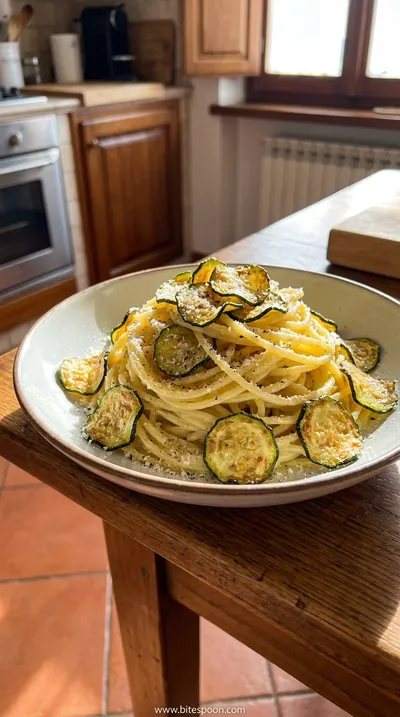
Spaghetti Alla Nerano: Italian Courgette Pasta Recipe
Authentic Italian spaghetti alla nerano with courgette. A quick pasta dish perfect for weeknight dinners.
Timing
Prep Time
20 Minutes
Cook Time
25 Minutes
Total Time
45 Minutes
Recipe Details
Ingredients
For the Pasta & Zucchini
-
01
400g (14 oz) high-quality spaghetti
-
02
4-5 medium courgettes (zucchini), about 600g
-
03
1/2 cup extra virgin olive oil, for frying
-
04
2 cloves garlic, thinly sliced
-
05
A large handful of fresh basil leaves
-
06
Coarse salt, for pasta water
-
07
Fine sea salt and freshly ground black pepper
For the Sauce
-
01
150g (1.5 cups) Provolone del Monaco, finely grated (or a mix of Pecorino and Parmesan)
-
02
30g (2 tbsp) unsalted butter, cold
-
03
Reserved starchy pasta water
Instructions
First, prepare your beautiful courgettes. Wash and dry them thoroughly, then slice them into very thin rounds, about 2-3mm thick. A mandoline really helps get them uniform, but a sharp knife and a steady hand work just as well. As you slice, place them in a colander and sprinkle lightly with salt to draw out a bit of moisture. While they rest, grate your cheese into a large bowl that will be big enough to mix the pasta in later. This preparation phase is so calming and sets you up for success.
Now it's time to fry the zucchini and make them golden and delicious. Heat the olive oil in a large, heavy-bottomed skillet over medium-high heat. Pat the zucchini slices dry with a paper towel. Working in batches, fry the zucchini until they are deeply golden brown and slightly crisp on the edges. Don’t rush this part! Use a slotted spoon to transfer the fried zucchini to a plate lined with paper towels to drain any excess oil. At the same time, bring a large pot of water to a rolling boil and season it generously with coarse salt until it tastes like the sea. This will be for your pasta.
Once all the zucchini is fried, you can get the pasta cooking. Drop the spaghetti into the boiling salted water and cook according to package directions, but pull it out about 2 minutes early so it’s very al dente. While it cooks, discard most of the frying oil from the skillet, leaving just a tablespoon or two. Return about a third of the fried zucchini to the skillet, add the sliced garlic, and sauté for just a minute over low heat until fragrant. You don’t want the garlic to brown, just to perfume the oil.
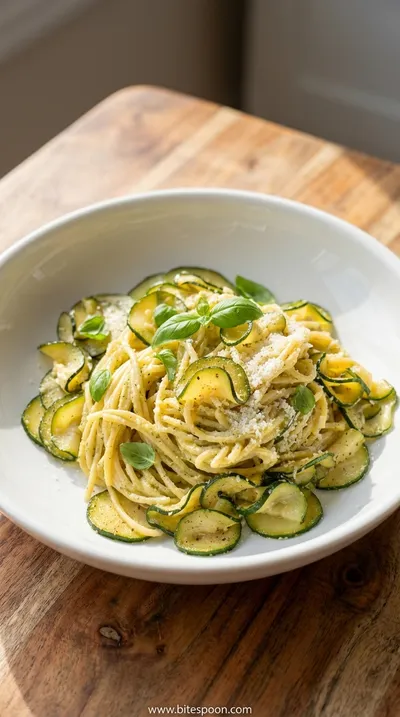
Here comes the magic. Just before the pasta is ready, ladle about two cups of the starchy cooking water into a measuring cup. Use tongs to transfer the al dente spaghetti directly from the pot into the skillet with the garlic and zucchini. Take the skillet completely off the heat. Now, add the grated cheese, the cold butter, the remaining fried zucchini, and a good splash of the reserved pasta water. Using your tongs, toss, lift, and stir everything together vigorously. The residual heat and the motion will melt the cheese and butter, creating an incredible, creamy sauce that coats every strand. Add more pasta water, a little at a time, until you reach a velvety consistency. Stir in the fresh basil, season with black pepper, and serve immediately with an extra sprinkle of cheese.
Notes & Tips
-
1
That starchy pasta water is liquid gold, honestly. It’s full of gluten and salt, which is the key to creating a creamy, emulsified sauce that clings to the pasta. Always reserve more than you think you'll need. It's better to have extra than to come up short when you're trying to get that perfect consistency.
-
2
The thinness of the zucchini slices is really important. If they're too thick, they won't fry up as nicely and can become watery, which will prevent that lovely, sweet caramelized flavor from developing. Take your time with the slicing; it makes a world of difference in the final texture and taste of the dish.
-
3
Take the pan off the heat before adding the cheese! I can't stress this enough. If the pan is too hot, the proteins in the cheese will tighten up and clump together, resulting in a stringy, oily mess instead of a smooth, velvety sauce. Let the residual heat of the pasta and water do the work for you.
Tools You'll Need
-
Large Skillet: A wide, heavy-bottomed skillet is essential for frying the zucchini in an even layer and for having enough room to toss the pasta without making a mess. Cast iron or stainless steel works beautifully here.
-
Large Pot: You need a big pot to cook the pasta properly. Pasta needs lots of space and plenty of salty, boiling water to move around in so it can cook evenly without sticking together.
-
Mandoline or Sharp Knife: For achieving those paper-thin zucchini slices, a mandoline is a fantastic tool for speed and consistency. If you don't have one, a very sharp chef's knife and some patience will work perfectly well. Just mind your fingers!
-
Tongs: A good pair of tongs is your best friend for the final step. They allow you to lift and toss the pasta vigorously, which is crucial for emulsifying the sauce and coating every single strand of spaghetti.
-
Box Grater or Microplane: Freshly grated cheese is non-negotiable for a smooth sauce. A box grater or a microplane will give you the fine, fluffy shreds of cheese that will melt beautifully and seamlessly into the pasta water.
Must-Know Tips
-
Don't Under-Salt the Pasta Water: It should taste like a mild seawater. This is your only chance to season the pasta itself from the inside out, and it contributes crucial flavor to the final sauce.
-
Fry Zucchini in Batches: I know it's tempting to dump it all in at once, but overcrowding the pan will cause the zucchini to steam. You won't get that gorgeous golden-brown color and concentrated flavor that is the heart of the dish.
-
Work Quickly During Emulsification: The final step of bringing the sauce together happens fast. Have your cheese, butter, and reserved pasta water ready to go the moment the pasta hits the skillet. Confidence and speed are your friends here.
Professional Secrets
-
A Touch of Raw Zucchini: Some chefs in Nerano blend a small amount of the fried zucchini with a little pasta water to create a creamy base before tossing it with the rest of the pasta. This can help ensure an extra-velvety sauce.
-
Use Two Cheeses for Complexity: While Provolone del Monaco is king, many pros use a blend. The common secret is pairing a sharp, salty Pecorino with a nutty, aged Parmigiano-Reggiano to create a more layered and balanced flavor profile.
-
'Mantecare' is the Motion: That vigorous tossing and stirring motion is a technique called 'mantecare' in Italian. It's the physical action of whipping air and liquid into the fat and starch, which is what creates the perfect, restaurant-quality emulsion.

Recipe by
Sofia RiveraExploring the world through food 🌍🍲 Rich flavors, exciting dishes, and endless culinary inspiration ✨
Get Delicious Recipes Weekly
Join 25,000+ home cooks getting our best recipes straight to their inbox.
Free forever • No spam • Unsubscribe anytime