
Egusi soup traces its roots to West Africa, where melon seeds have been cultivated for centuries. The Igbo people of Nigeria traditionally prepare this dish for special occasions, using locally grown vegetables and spices. The unique thickening property of ground egusi seeds creates a rich, hearty consistency that distinguishes it from other African soups. Across Nigeria and neighboring countries, variations of this beloved dish reflect regional preferences for spices and leafy greens, making it a versatile staple in West African cuisine.
Why You'll Love It
-
The nutty aroma of toasted melon seeds fills your kitchen with warmth
-
Rich, comforting texture that's both hearty and nourishing
-
Perfect balance of spicy, savory flavors that develop beautifully over time
-
Versatile enough to adapt to whatever greens and proteins you have on hand
"I never thought I could make authentic African food at home, but this recipe made it so approachable. My family requests it weekly!"
Essential Ingredient Guide
- Egusi seeds: These ground melon seeds are the heart of the soup, providing nutty flavor and natural thickening. Look for bright, fresh-smelling seeds without any musty odor.
- Palm oil: Gives the soup its characteristic reddish color and earthy flavor. If unavailable, you can substitute with vegetable oil, though the color will be lighter.
- Fresh peppers: Scotch bonnet or habanero peppers bring the heat. Adjust quantity based on your spice tolerance - you can always add more later.
- Leafy greens: Traditional choices include ugu (fluted pumpkin leaves) or bitter leaf. Spinach or kale work beautifully as substitutes if you can't find African greens.
- Beef stock: Forms the flavor foundation. Homemade stock is ideal, but good quality store-bought works well too.
- Onions and crayfish: These aromatics build depth. The crayfish adds umami that balances the richness of the melon seeds.


Complete Cooking Process
-
Ingredient Readiness:
Before anything else, you'll want to prep your greens. If using bitter leaf, give it a good rinse to reduce the bitterness. Ugu leaves just need a rough chop. The peppers need deseeding if you're sensitive to heat, but I usually keep the seeds for that authentic kick.
-
Flavor Development:
This happens in two stages - first when you toast the egusi seeds until they release their nutty aroma, then again when everything simmers together. The longer it cooks, the more the flavors marry. I mean, honestly, the difference between 30 minutes and 45 minutes is noticeable.
-
Texture Control:
The ground egusi seeds will thicken the soup naturally as they cook. Don't stir too much once they're in - let them work their magic. The greens should be added last to maintain their bright color and slight crunch.
-
Finishing Touches:
A final drizzle of palm oil right before serving adds shine and depth. Some people like to add a sprinkle of dried fish powder for extra savoriness.
-
Serving Timing:
Egusi soup is best served piping hot, preferably with starchy sides like pounded yam or fufu. It also reheats beautifully the next day when the flavors have settled.
-
Toast your egusi seeds lightly before grinding for enhanced nutty flavor
-
Don't skip the palm oil - it's essential for authentic color and taste
-
Simmer gently rather than boiling vigorously to prevent bitterness
-
Taste and adjust seasoning throughout, especially the salt level
Pro Tips
Look, the first time I made this, I was too timid with the peppers. The soup was... nice, but it lacked that authentic warmth. My aunt visited and showed me how to balance the heat - she said the peppers should sing, not shout. You want that gentle warmth that builds with each spoonful, not something that overwhelms the other flavors. Another thing - don't be afraid of the palm oil. It gives the soup this beautiful reddish hue and earthy base note that vegetable oil just can't replicate. Honestly, once you get the hang of it, you'll find yourself making variations with different meats and greens. It's that kind of recipe.

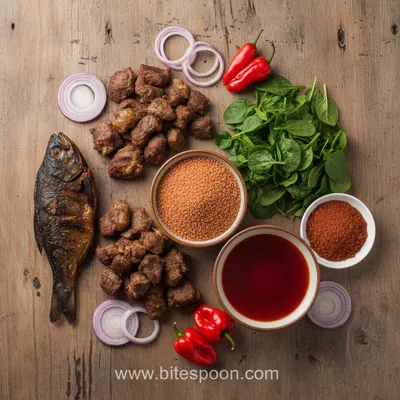
The essence of the dish:
What makes egusi soup special is how these simple, earthy ingredients transform into something deeply comforting. The ground melon seeds create this velvety texture that's unlike any other soup, while the peppers and spices warm you from the inside out.
A fun fact or historical angle:
Egusi seeds come from a particular type of melon that's grown specifically for its seeds rather than its flesh. The seeds are so valued in West African cuisine that they're often given as gifts during important celebrations.
Flavor or sensory focus:
When you take that first spoonful, you'll notice the nutty richness first, followed by the gentle heat from the peppers. The greens add a fresh, slightly bitter contrast that keeps each bite interesting.
You Must Know
-
Egusi seeds must be ground finely for proper thickening
-
The soup will thicken as it cools - adjust consistency with warm water or stock
-
Traditional recipes often include stockfish or dried shrimp for extra umami
-
Leftovers improve in flavor overnight as the spices meld together
Frequently Asked Questions
→ Can I make egusi soup without palm oil?
You can substitute with vegetable oil, but the color and flavor will be different. Palm oil gives the soup its characteristic reddish hue and earthy flavor that's hard to replicate.
→ What's the best way to grind egusi seeds?
A coffee grinder works perfectly for small batches. For larger quantities, a food processor or even a traditional mortar and pestle will do the job.
→ How spicy should the soup be?
This depends on your preference. Start with one pepper and add more after tasting. Remember, the heat will mellow slightly as the soup simmers.
→ Can I freeze egusi soup?
Absolutely. It freezes beautifully for up to three months. Thaw overnight in the refrigerator and reheat gently on the stove.
→ What's the best leafy green to use?
Traditional ugu leaves are ideal, but spinach or kale work well too. Each green will change the character of the soup slightly.
→ How do I know when the soup is done?
The soup is ready when the oil rises to the surface and the egusi has thickened the broth to a velvety consistency. This usually takes 30-45 minutes of gentle simmering.

Nutrition Facts
per serving
285
Calories
22g
Protein
12g
Carbs
18g
Fat
Taste Profile
Rich, nutty, and warmly spicy with deep savory notes from the meats and crayfish
Ingredient Substitutions
Don't have an ingredient? Try these alternatives
The color and flavor will be different, but the soup will still be delicious. Add a pinch of paprika for color if using substitutes.
Any sturdy leafy green will work. Adjust cooking time based on the green's toughness - kale needs more time than spinach.
Adjust quantity based on heat level. Remember you can always add more but can't take it out!
Recipe Variations
Try these delicious twists on the original
Vegetarian Version
Omit meats and use vegetable stock. Add extra mushrooms and eggplant for heartiness. The egusi seeds provide plenty of protein and richness on their own.
Seafood Edition
Replace meats with shrimp, fish fillets, and smoked fish. Add the seafood during the last 10 minutes of cooking to prevent overcooking.
Common Mistakes to Avoid
Learn from others' mistakes for perfect results
- Burning the egusi seeds during toasting - keep heat moderate and stir constantly
- Adding greens too early - they should go in during the last 5 minutes
- Over-stirring after adding egusi - let it thicken naturally without too much disturbance
- Using old or rancid egusi seeds - they should smell fresh and nutty
Meal Prep & Storage
Make Ahead Tips
You can brown the meats and prep all vegetables up to 2 days in advance. The ground egusi seeds can be prepared ahead and stored in an airtight container. The complete soup actually improves when made a day ahead as flavors meld.
Leftover Ideas
Reheat gently on the stove with a splash of water or stock to adjust consistency. The soup tends to thicken when refrigerated. Leftovers make a wonderful quick meal throughout the week.
Perfect Pairings
Serve this with...
Cooking Timeline
Prep all ingredients - grind egusi seeds, chop vegetables, cube meats
Brown meats in batches and sauté aromatics in palm oil
Toast ground egusi seeds until fragrant, then add liquids and spices
Simmer soup gently to develop flavors and thicken consistency
Add chopped greens and cook briefly until just wilted


Spicy Egusi Soup Recipe For Beginners
A comforting West African stew featuring ground melon seeds cooked in a rich, spicy broth with greens and tender meat, perfect for exploring authentic African flavors.
Timing
Prep Time
25 Minutes
Cook Time
45 Minutes
Total Time
1 Hour 10 Minutes
Recipe Details
Ingredients
For the Soup Base
-
01
1 cup egusi seeds (melon seeds), ground
-
02
1/4 cup red palm oil
-
03
1 large onion, chopped
-
04
2-3 fresh peppers (Scotch bonnet or habanero)
-
05
4 cups beef stock
-
06
1/2 cup dried crayfish, ground
-
07
2 teaspoons bouillon powder
-
08
Salt to taste
Vegetables and Protein
-
01
2 cups chopped ugu leaves (or spinach)
-
02
1 pound beef stew meat, cubed
-
03
1 pound turkey ham, cubed
-
04
2 cups chopped spinach (if not using ugu)
Aromatics and Spices
-
01
3 cloves garlic, minced
-
02
1 teaspoon ground ginger
-
03
1 teaspoon smoked paprika
-
04
2 bay leaves
Instructions
Start by preparing your meats. In a large pot, brown the beef stew meat and turkey ham over medium heat until nicely seared. Remove and set aside. The fond at the bottom of the pot will add great flavor later.
In the same pot, add the palm oil and chopped onion. Sauté until the onions are translucent, about 5 minutes. Add the minced garlic and cook for another minute until fragrant. This base will give your soup incredible depth.
Add the ground egusi seeds to the pot and toast gently for 3-4 minutes, stirring constantly. You'll know it's ready when you smell the nutty aroma. Be careful not to burn it - medium heat is your friend here.
Pour in the beef stock slowly while stirring to combine with the egusi mixture. Add the ground crayfish, bouillon powder, smoked paprika, bay leaves, and your cooked meats. Bring to a gentle simmer.
Simmer uncovered for 30-40 minutes, stirring occasionally. The soup will thicken as the egusi seeds release their natural starches. If it becomes too thick, add a little warm water or stock.
While the soup simmers, prepare your peppers. If you want less heat, remove the seeds. Chop them finely and add to the soup during the last 15 minutes of cooking.
Finally, stir in your chopped greens and cook for just 5 more minutes until they're bright and slightly wilted. Taste and adjust seasoning with salt as needed.
Serve hot with your favorite starchy side. The soup goes beautifully with pounded yam, fufu, or even rice for a comforting meal that warms you from the inside out.
Notes & Tips
-
1
Egusi seeds can be found in African grocery stores or online - make sure they're fresh and smell nutty
-
2
The soup will continue to thicken as it cools - you may need to add more liquid when reheating
-
3
Leftover soup tastes even better the next day as flavors continue to develop
-
4
Feel free to experiment with different meats - lamb works beautifully in this recipe too

Tools You'll Need
-
Large heavy-bottomed pot
-
Cutting board and sharp knife
-
Measuring cups and spoons
-
Coffee grinder or food processor for grinding seeds
-
Wooden spoon for stirring
-
Soup ladle for serving
Must-Know Tips
-
Don't overcrowd the pot when browning meat - cook in batches if necessary for proper browning
-
Let the soup simmer gently rather than boiling vigorously to prevent bitterness from developing
-
Taste as you go - adjust spices and salt gradually to find your perfect balance
Professional Secrets
-
Toast egusi seeds lightly before grinding for enhanced nutty flavor
-
Use homemade stock if possible - it makes a noticeable difference in depth of flavor
-
Add a pinch of sugar if the soup tastes slightly bitter - it will balance the flavors beautifully

Recipe by
Sofia RiveraExploring the world through food 🌍🍲 Rich flavors, exciting dishes, and endless culinary inspiration ✨
Get Delicious Recipes Weekly
Join 25,000+ home cooks getting our best recipes straight to their inbox.
Free forever • No spam • Unsubscribe anytime