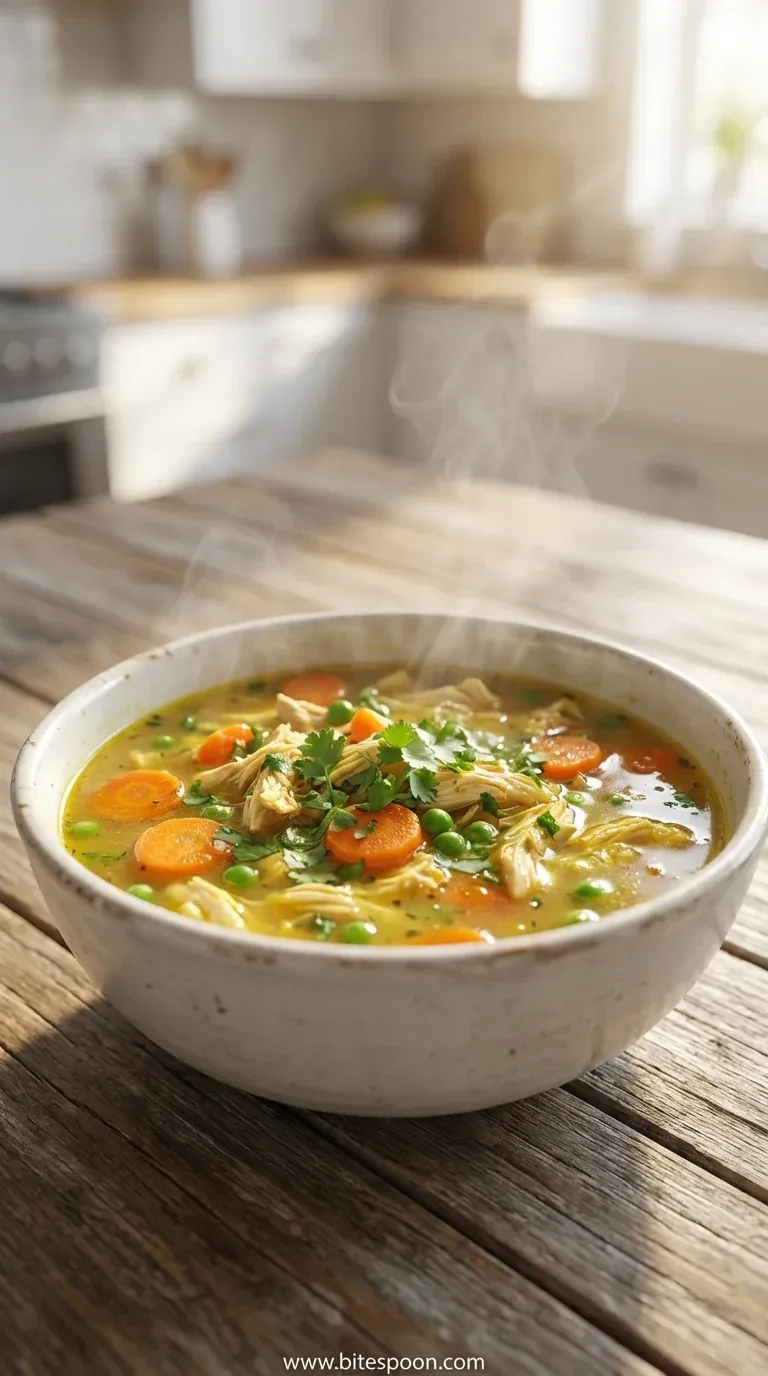
There are some days when your body just asks for something gentle, warm, and deeply nourishing. This Turmeric Chicken Soup is exactly that—a quiet hug in a bowl. Its color is this brilliant, sun-drenched gold that just looks healing before you even take a spoonful. The aroma of ginger, garlic, and turmeric fills the kitchen in a way that feels grounding and restorative, like you’re doing something truly good for yourself. It’s not a flashy soup; it’s a sincere one, a simple recipe built on the idea of comfort and wellness.
I find myself turning to this soup not just when I’m feeling under the weather, but also when the world feels a little too loud. It’s a way to slow down, to tend to the simple task of chopping vegetables and letting a pot simmer on the stove. Each ingredient feels intentional, from the earthy turmeric to the bright squeeze of lemon at the end. It's the kind of meal that feels both ancient and perfectly suited for our modern lives, a little pot of liquid sunshine to see you through.
The Gentle Art of a Healing Soup
There’s a reason we turn to soup when we need comfort. It’s elemental—water, fire, and nourishment. This Turmeric Chicken Soup taps into that ancient tradition, blending the classic comfort of chicken soup with the celebrated properties of spices like turmeric and ginger. It's more than a meal; it's a practice in mindfulness and self-care. The slow simmering, the fragrant steam, the vibrant color—it all contributes to a sense of well-being. It’s about creating something with your hands that is designed to soothe, warm, and heal from the inside out. In a fast-paced world, taking a moment to create and savor a bowl of this soup feels like a small, beautiful rebellion.
You Must Know
- The quality of your turmeric matters. Look for a vibrant, fragrant powder for the best flavor and color.
- A final squeeze of fresh lemon juice is not optional! It brightens all the earthy flavors and truly completes the soup.
- Let the soup simmer gently. A hard boil can make the chicken tough and the broth cloudy.
Remembering these little things will ensure your soup is as soothing and delicious as possible.
The story behind it
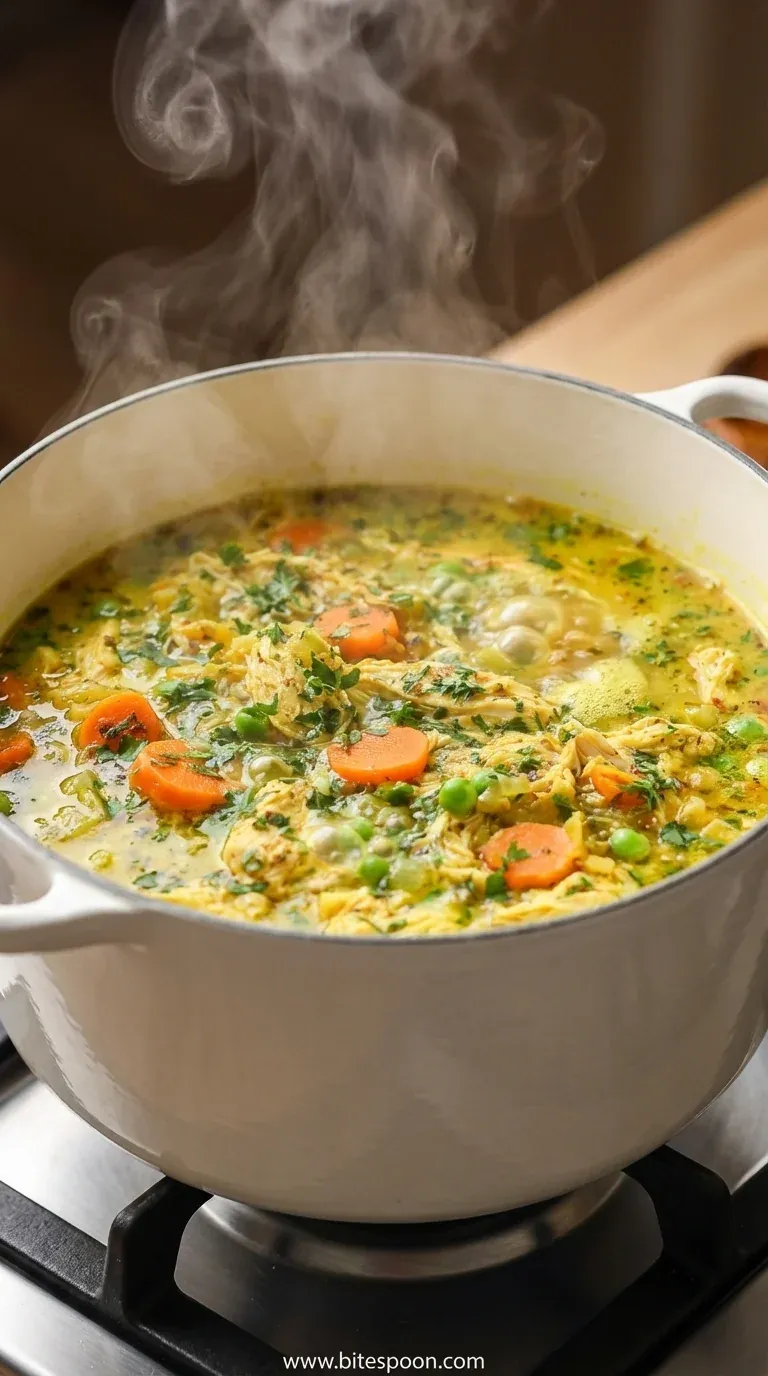
I remember one particular dreary, rain-soaked Tuesday when I felt a cold coming on. You know that feeling—the scratchy throat, the heavy limbs. I didn’t want anything complicated, just warmth. I pulled out my favorite Dutch oven, the heavy one that feels like an old friend, and started pulling ingredients from the fridge without much of a plan. An onion, some sad-looking carrots, a knob of ginger. Then I saw the jar of turmeric, and honestly, its vibrant color just called to me. I thought, 'Well, let's make it golden.'
As the soup simmered, the kitchen transformed. The windows were steamy, the air smelled spicy and savory, and the whole house felt cozy and safe from the rain outside. I curled up on the sofa with a steaming bowl, and with each spoonful, I could literally feel the warmth spreading through me. It was so much more than just food; it was a ritual of self-care. It’s funny how a simple soup can hold so much—memories of my mom making broth from scratch, the satisfying rhythm of a knife on a cutting board, and the quiet joy of creating something restorative with my own two hands. Now, it's my go-to healing meal.

Why You'll Adore This Golden Soup
- Deeply Comforting & Healing: Beyond just being delicious, this soup feels genuinely restorative. The combination of warm broth, tender chicken, and gentle spices like turmeric and ginger is incredibly soothing, making it the perfect meal for when you need a little extra care or are feeling under the weather.
- Stunningly Beautiful Color: I mean, look at it! The turmeric gives the soup this breathtaking, vibrant golden hue that just brightens your mood. As a designer, I'm a sucker for beautiful things, and serving a bowl of this liquid sunshine is a feast for the eyes before it even touches your lips. It feels special.
- Simple & Unfussy to Make: This is not a complicated, all-day affair. It's a straightforward recipe that relies on simple techniques and wholesome ingredients. You can have a wonderfully nourishing pot of soup simmering on the stove in under an hour, making it perfect for a weeknight.
- Wonderfully Aromatic: The moment you start sautéing the aromatics—the ginger, the garlic, the onion—your kitchen will be filled with the most incredible, fragrant scent. It's a smell that signals warmth, comfort, and good things to come. It’s part of the whole sensory experience of making and eating this soup.
Tips for success
- Bloom Your Spices: Don't just dump the turmeric and cumin into the liquid. Sautéing them briefly in the oil with the aromatics unlocks their fat-soluble compounds, making them so much more fragrant and flavorful.
- Simmer, Don't Boil: A rolling boil will make your chicken tough and your broth cloudy. A gentle, lazy simmer is the secret to tender, juicy chicken and a clear, beautiful soup. Patience is an ingredient here.
- Finish with Freshness: That final squeeze of lemon juice and sprinkle of fresh herbs is non-negotiable! It cuts through the richness and brightens up all the earthy, warm flavors of the spices. It truly transforms the soup.
Professional secrets
- Use Chicken Thighs for More Flavor: While chicken breast is lean and lovely, boneless, skinless chicken thighs will lend a richer, more savory flavor to your broth and will stay incredibly tender.
- Scrape the Fond: When you add the broth, use your spoon to scrape up any little brown bits from the bottom of the pot. That's called 'fond,' and it's pure, concentrated flavor that will make your soup taste like it's been simmering for hours.
- Salt in Layers: Season your vegetables as they cook, and then season the broth again later. Adding salt at different stages of the cooking process builds a more complex and well-rounded flavor profile than just salting at the end.
Common mistakes to avoid
- Boiling the soup vigorously instead of simmering gently, which can result in tough chicken and a cloudy broth.
- Forgetting the final squeeze of lemon juice. It might seem small, but the acidity is crucial for brightening the earthy flavors of the turmeric and ginger.
- Not tasting and adjusting the seasoning at the end. Soups almost always need a final check for salt to make the flavors truly pop.
- Adding the garlic and ginger too early with the other vegetables, which can cause them to burn and become bitter.
Substitutions
- Chicken: Chickpeas or White Beans. To make this vegetarian, substitute the chicken with one 15-ounce can of chickpeas or white beans, drained and rinsed. Add them during the last 10 minutes of simmering, just to heat them through.
- Chicken Broth: Vegetable Broth or Mushroom Broth. A high-quality vegetable broth works perfectly as a substitute. For an even deeper, earthier flavor, try using mushroom broth as the base.
- Fresh Ginger: Ground Ginger. If you don't have fresh ginger, you can use about 1/2 teaspoon of ground ginger. Add it with the other dried spices. The flavor will be a bit different, more mellow and less zesty, but still lovely.
Variations
- Creamy Coconut Turmeric Soup: For a richer, creamier version, stir in a half cup of full-fat coconut milk at the very end of cooking. Let it heat through gently, but don't let it boil. It adds a beautiful, subtle sweetness that pairs wonderfully with the spices.
- Spicy 'Fire Cider' Version: If you like a little heat, add a pinch of red pepper flakes or a thinly sliced chili pepper along with the garlic and ginger. A dash of cayenne pepper would also work beautifully to add a gentle, warming heat throughout the soup.
- Hearty Root Vegetable Medley: In addition to the carrots, add some diced parsnips and sweet potatoes to the pot with the onions. The sweet potatoes will break down slightly and add a lovely body and sweetness to the broth.
Storage
This soup stores like a dream, and I honestly think the flavor gets even better on the second day as everything has more time to meld together. To store, allow the soup to cool down completely to room temperature first—this is important to prevent it from steaming inside the container. Then, transfer it to an airtight container and place it in the refrigerator. It will keep beautifully for up to 4 days.
When you're ready to enjoy it again, simply reheat it gently in a saucepan over medium-low heat until it's warmed all the way through. Avoid boiling it, as that can affect the texture of the chicken. If you’ve added rice or noodles, you may find they've soaked up some of the broth, so you might want to add a small splash of extra broth or water to bring it back to your desired consistency. It's the perfect lunch for the next day!
Make ahead
This soup is a fantastic make-ahead meal. You can prepare it completely and store it in the refrigerator for a few days, allowing the flavors to meld beautifully. You can also do the prep work ahead of time: chop all your vegetables (onion, carrots, celery) and store them in an airtight container in the fridge for up to 2 days. This makes assembly on a busy night incredibly fast and easy.
Leftovers
Leftover turmeric soup is a true gift. Reheat it gently on the stovetop until warm. The flavor is often even better the next day. If you want to transform it, you can shred any remaining chicken, add a bit more broth, and some coconut milk to create a new, creamier soup. It's also lovely just poured over fresh rice for a quick and comforting lunch.
Serving ideas
- Ladle over a bed of fluffy basmati or jasmine rice for a classic, comforting meal.
- Serve with a side of warm naan or flatbread for dipping into the delicious golden broth.
- For a low-carb option, serve over zucchini noodles or cauliflower rice.
- Garnish with a dollop of plain yogurt or coconut cream for a touch of creaminess and a beautiful presentation.
Allergy information
This recipe is naturally dairy-free and gluten-free">gluten-free, provided you use a certified gluten-free chicken broth. Please be sure to check the labels on all your ingredients, especially the broth and spices, to ensure they are free from any potential cross-contaminants. This recipe does not contain nuts, soy, or eggs, but always be mindful of your own kitchen environment if you are cooking for someone with a severe allergy. Always consult ingredient packaging for the most accurate information.
Turmeric Chicken Soup: Anti-Inflammatory Healing Recipe
A golden, comforting bowl of turmeric chicken soup, brimming with gentle spices and nourishing ingredients to soothe and heal.
- Prep time
- 15 min
- Cook time
- 35 min
- Total time
- 50 min
- Difficulty
- Easy
- Cuisine
- American
- Course
- Soup
Ingredients
For the Soup
For Garnish (Optional)
Instructions
- 1
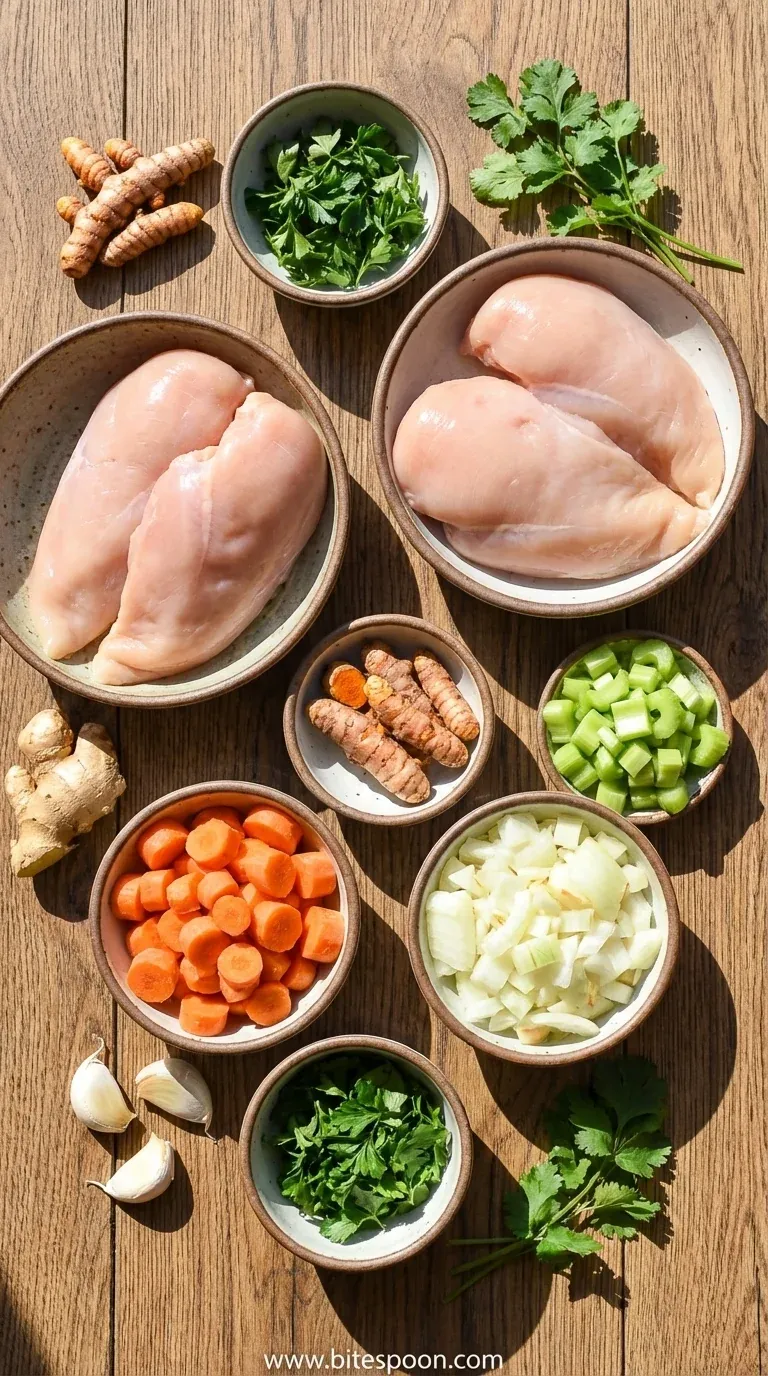
Begin by preparing all your beautiful vegetables. There’s something so meditative about this part. Place a heavy-bottomed pot or Dutch oven over medium heat and add the olive oil. Once it shimmers slightly, add the diced onion, carrots, and celery. Let them cook gently for about 5-7 minutes, stirring occasionally, until they've softened and the onion is translucent. You just want to coax out their natural sweetness, creating the first layer of flavor for our soup.
- 2
Now it's time for the aromatics to join the party. Add the minced garlic and freshly grated ginger to the pot. Stir them constantly for about one minute until you can smell their incredible fragrance filling your kitchen—wow, it's just the best. Next, sprinkle in the ground turmeric, cumin, and black pepper. Continue to stir for another 30 seconds. This step is so important; toasting the spices like this really wakes them up and deepens their flavor in the finished soup.
- 3
Pour in the chicken broth, using a spoon to gently scrape up any flavorful bits that might be stuck to the bottom of the pot. Turn the heat up to bring the broth to a gentle simmer. Once it's bubbling softly, add the chicken pieces and a good pinch of salt. Reduce the heat to low, cover the pot, and let it simmer for 15-20 minutes, or until the chicken is cooked through and tender. The gentle simmer is key here—it keeps the chicken lovely and moist.
- 4
Once the chicken is cooked, give the soup a taste. This is your moment to adjust the seasonings. Does it need more salt? A bit more pepper? Now is the time to make it perfect for you. If you're serving with rice or quinoa, you can stir it in now or place it directly in the bowls before ladling the soup over top. For a different texture, you could try serving it over something unique, like some zucchini noodles. Finally, ladle the beautiful, golden soup into bowls. Squeeze a wedge of fresh lemon juice over each serving and sprinkle generously with fresh cilantro or parsley. The freshness at the end is what makes it sing.
Nutrition per serving
- 285 kcal
- Calories
- 38 g
- Protein
- 12 g
- Carbs
- 9 g
- Fat
Tips & notes
- Feel free to add other vegetables you have on hand. Some chopped spinach or kale stirred in at the end until wilted is a lovely way to add more greens. Mushrooms or bell peppers would also be a wonderful addition to the base. - The black pepper in this recipe does more than just season; it contains piperine, which is known to help increase the absorption of curcumin, the active compound in turmeric. So, don't skip it! It's a small detail that makes a big difference for the wellness aspect of the soup. - This soup is a perfect companion to a slice of hearty bread for dipping. While any crusty loaf is great, a savory quick bread would be amazing. You might enjoy something like a zucchini cheddar bread or even the classic zucchini bread.
Frequently asked questions
Can I use chicken thighs instead of breasts?
Oh, absolutely! In fact, I often prefer chicken thighs for soups. They have a bit more fat, which adds a lovely richness to the broth and they stay incredibly moist and tender, even if you accidentally simmer them a little too long. Just make sure they are boneless and skinless for ease, and cut them into similar bite-sized pieces. The cooking time will be virtually the same. It's a wonderful substitution.
How can I make this soup vegetarian or vegan?
That's a great question, and it's quite easy to adapt. For a vegetarian version, simply swap the chicken broth for a rich vegetable broth and replace the chicken with a can of drained and rinsed chickpeas or some firm tofu, added in the last 10 minutes of simmering. For a vegan soup, do the same, and just ensure you're using olive oil or another plant-based oil at the beginning. The soul of the soup remains in the golden, spiced broth.
Can I add noodles or rice to this soup?
Yes, and I encourage it! It makes the soup a more substantial meal. You can add about a half cup of uncooked white rice or quinoa along with the broth and let it simmer until tender. For noodles, it's best to cook them separately according to package directions and add them to each bowl just before serving to prevent them from getting mushy in the pot. Sometimes I like to serve this over lemon pasta for a zesty twist.
Is it possible to make this soup ahead of time?
This soup is perfect for making ahead! The flavors actually deepen and get even better overnight. Simply let it cool completely before storing it in an airtight container in the refrigerator for up to 3-4 days. Reheat it gently on the stovetop over medium-low heat until it's warmed through. Just be sure to hold off on adding the fresh herbs and lemon juice until you've reheated it.
How do I store leftovers?
Storing leftovers is simple. Once the soup has cooled to room temperature, transfer it to an airtight container. It will keep beautifully in the refrigerator for about four days. If you've added rice or noodles directly to the pot, be aware they will absorb more broth as they sit. When reheating, you might want to add a little splash of extra broth or water to get it back to its original consistency.
Can I freeze this soup?
Yes, this soup freezes wonderfully, which is perfect for stocking up on healing meals. I recommend letting it cool completely, then pouring it into freezer-safe containers or bags. If you plan to freeze it, it's best to do so without any rice or noodles, as their texture can change upon thawing. You can freeze it for up to three months. Thaw it overnight in the fridge and reheat gently on the stove.
What can I do if my soup tastes a bit bland?
Don't worry, that's an easy fix! The first thing to check is the salt. A little more salt can often be all that's needed to make all the other flavors pop. The second, and my favorite trick, is a generous squeeze of fresh lemon juice at the end. The acidity works wonders to brighten everything up. If it still needs a little something, a pinch more turmeric or a dash of black pepper can also help.

Alexa Carter
Fast food, but smarter 🔥🍽️ Bold flavors, simple steps, and meals that always hit the spot 😎