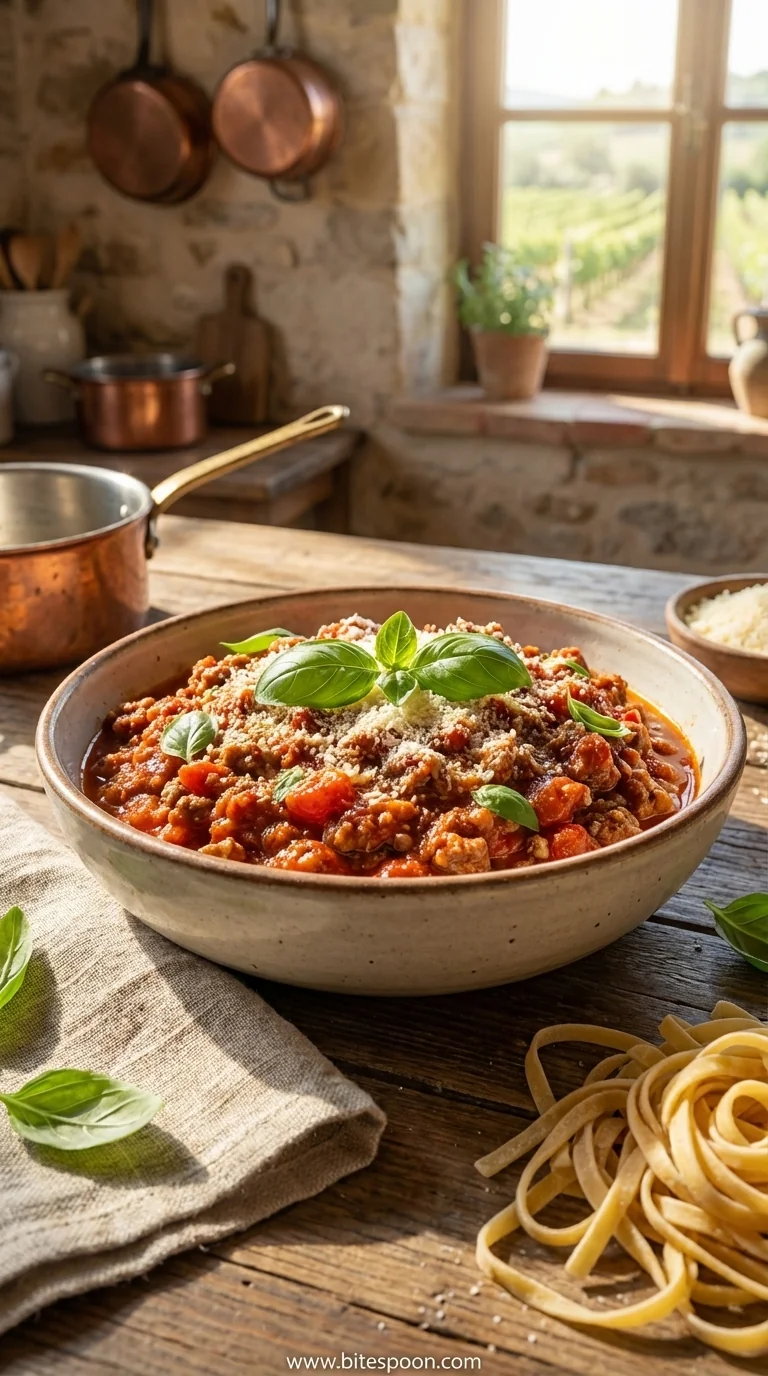
I remember being a little girl, standing on a stool in my grandmother's kitchen, which was always warm and smelled of garlic and basil. She was 'Jo Mama' to all of us. She'd let me stir the big, heavy pot, my little arms struggling, and she’d tell me the secret was patience. 'You can't rush the love in, honey,' she’d say. We'd let it bubble away all afternoon, tasting it every so often with a wooden spoon, adjusting a little sugar here, a pinch of oregano there. This sauce was at every birthday, every family gathering, every time someone needed a little comfort. It has seen us through celebrations and heartaches. Making it now feels like a beautiful ritual, a way to connect with her and keep those gentle, quiet memories alive in my own kitchen.
Why You'll Fall in Love
-
Deep, Rich Flavor: This isn't a quick sauce. It develops its incredible, soulful flavor by simmering slowly, allowing the tomatoes, savory beef, and aromatic herbs to meld together into something truly special. Each ingredient has time to soften and deepen, creating layers of taste that are complex and comforting.
-
A Hug in a Bowl: Honestly, there's nothing more comforting than a big bowl of spaghetti topped with this sauce. It’s warm, hearty, and full of love. It’s the perfect meal for a chilly evening or whenever you just need a little extra coziness in your life. It feels grounding and familiar.
-
Incredibly Versatile: While it's perfect for spaghetti, this sauce is a kitchen workhorse. Use it for lasagna, as a base for chicken parmesan, or even spooned over polenta. We've even used it for sloppy joes! It freezes beautifully, so you can have that homemade comfort ready anytime.
-
A Beautiful, Slow Ritual: In our fast-paced world, there's something so calming about a recipe that asks you to slow down. The process of chopping the vegetables, browning the meat, and letting the sauce simmer is a gentle, mindful practice. It’s a joy to create, not just to eat.
"This is the only spaghetti sauce my family asks for now. It tastes like a Sunday afternoon at Grandma's house."
Essential Ingredient Guide
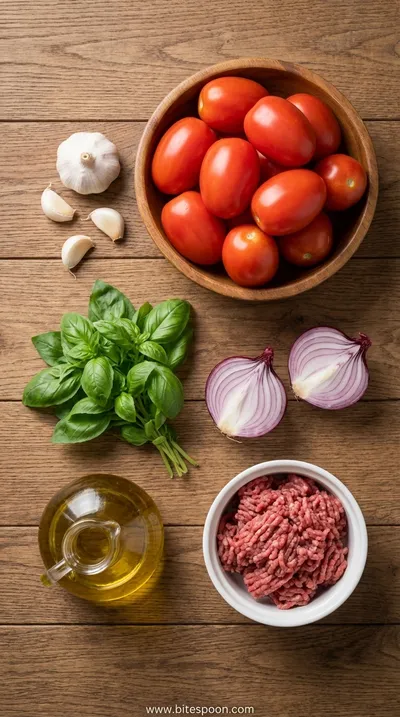
- Ground Beef & Beef Sausage: I love using a mix of lean ground beef and a mild beef sausage. The combination creates a beautiful texture and a much richer, more savory flavor profile than just using one or the other. The sausage adds a lovely hint of seasoning that infuses the whole sauce. Look for good quality meat; it really does make a difference in the final taste.
- Canned Tomatoes: Don't be afraid of canned tomatoes here! They are the backbone of a great sauce. I use a combination of crushed and diced tomatoes for a varied texture. The crushed tomatoes create a smooth, rich base, while the diced ones provide little bursts of sweetness. San Marzano tomatoes are wonderful if you can find them, but honestly, any good quality brand will work beautifully.
- Dried Herbs: While fresh herbs are lovely, dried herbs are essential for a long-simmering sauce. Their flavors are concentrated and stand up to the long cooking time, deepening and blooming as the sauce bubbles away. A classic mix of basil, oregano, and parsley is all you need. Rub them between your palms before adding them to the pot to help wake up their essential oils.
Complete Cooking Process
-
Building the Flavor Base:
This first stage is where all the magic begins. It's about patiently creating the deep, savory foundation upon which the rest of the sauce will be built. You'll start by gently softening the onions, celery, and carrots—the 'soffritto'—in a little olive oil until they're sweet and fragrant. This isn't a step to be rushed; you want them to release their sugars without browning too much. Then, you'll add the ground beef and sausage, breaking it up with a spoon and cooking it until it's just browned. This careful browning process creates so much of the final depth.
-
Simmering to Perfection:
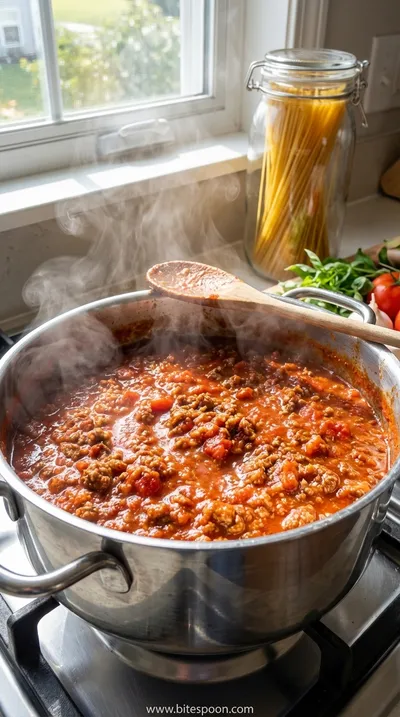
Once your base is built, it's time for the slow, gentle simmer. This is where the alchemy happens. You'll pour in your tomatoes, add your herbs and a touch of sugar to balance the acidity, and bring it all to a gentle bubble. Then, you turn the heat down to low, partially cover the pot, and let it be. For at least two hours, but honestly, the longer the better. The sauce will thicken, the color will deepen to a rich, dark red, and the flavors will meld into something truly soulful and delicious. The house will start to smell absolutely incredible.
-
Finishing and Serving:
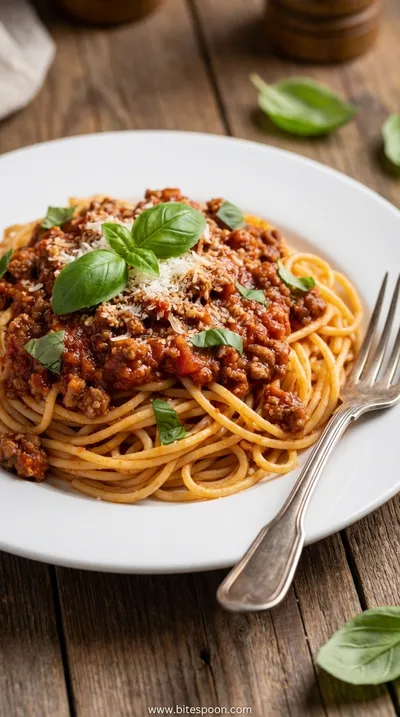
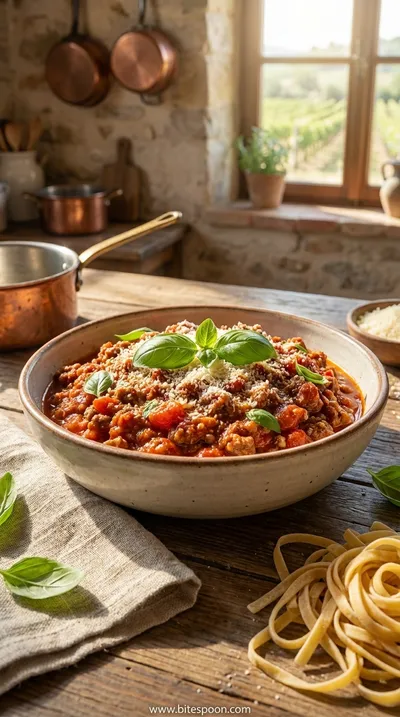
After the long, patient simmer, your sauce is almost ready. This is the moment to taste and adjust. It might need a little more salt, another pinch of sugar, or a touch more oregano. Trust your palate. Once it tastes perfect to you, it's ready to be ladled generously over your favorite pasta. I love to serve it with a simple shower of freshly grated Parmesan cheese and maybe some fresh basil leaves if I have them on hand. It's simple, elegant, and lets the sauce be the star of the show.
-
Don't skip the celery and carrots. They might seem minor, but they add a subtle sweetness and depth that is essential to the classic flavor.
-
A small pinch of sugar really does help balance the acidity of the tomatoes. Start with a little; you can always add more.
-
Let the sauce cool a bit before storing. Its flavor will be even better the next day as everything settles together.
-
If the sauce gets too thick during simmering, you can add a splash of water or beef broth to loosen it up.
Pro Tips for Sauce Success
These little details are what elevate a good sauce to a great one. It’s all about patience and tasting as you go.
Frequently Asked Questions
→ Can I make this sauce vegetarian?
Absolutely! To make a vegetarian version, you can simply leave out the meat or substitute it with finely chopped mushrooms and lentils. Sauté the mushrooms until they release their liquid and start to brown to develop a deep, savory flavor. Lentils will add a wonderful, hearty texture. You might also want to add a splash of soy sauce or a teaspoon of miso paste to bring in some of that umami flavor you'd be missing from the meat.
→ Can I use fresh tomatoes instead of canned?
You certainly can, but it will change the process and the final consistency. Fresh tomatoes have a higher water content and will need to be cooked down for much longer to achieve a thick, rich sauce. You'll want to peel and seed them first. Honestly, for a long-simmered sauce like this, high-quality canned tomatoes are often preferred by chefs because they are picked and packed at peak ripeness, ensuring a consistent, deep tomato flavor year-round.
→ How long does this sauce need to simmer?
I recommend a minimum of two hours for a truly great flavor, but honestly, four hours is even better. The long, slow simmer is what breaks down the tomatoes, tenderizes the meat, and allows all the individual flavors to marry into one cohesive, delicious sauce. If you're short on time, you can get away with 90 minutes, but you'll notice a difference. Just keep it on a very low heat, barely a bubble, so it doesn't burn.
→ Is it possible to make this in a slow cooker?
Yes, a slow cooker is a fantastic way to make this sauce! You will need to complete the first few steps on the stovetop—sautéing the vegetables and browning the meat—as this builds the essential flavor base. After that, transfer everything to your slow cooker, add the remaining ingredients, stir, and cook on low for 6-8 hours or on high for 3-4 hours. It's a wonderful way to come home to a house that smells amazing and dinner that's practically ready.
→ How do I store and reheat leftovers?
This sauce stores beautifully! Allow it to cool completely, then transfer it to an airtight container. It will keep in the refrigerator for up to 5 days. It also freezes exceptionally well for up to 3 months. To reheat, just gently warm it in a saucepan over medium-low heat, stirring occasionally, until it's heated through. You might need to add a splash of water if it has thickened too much in the fridge.
→ What kind of pasta is best for this sauce?
This is such a classic, hearty sauce that it pairs well with almost any pasta shape. Spaghetti is the traditional choice, of course, but it's also wonderful with thicker shapes like rigatoni, pappardelle, or penne, as the ridges and tubes do a great job of catching all that rich, meaty sauce. Honestly, just use your favorite! You could even serve it over zucchini noodles for a lighter meal.
→ My sauce tastes a bit too acidic. How can I fix it?
Tomato acidity can vary from can to can. That's why I always include a little sugar in the recipe to start. If you taste it and it's still too sharp or acidic for your liking, you can add a little more sugar, about a teaspoon at a time. Another trick is to add a very small pinch of baking soda, which will neutralize some of the acid. A small pat of butter stirred in at the end can also smooth out the flavors beautifully.
→ What makes this different from a marinara sauce?
That's a great question! While both are tomato-based Italian sauces, the main difference is the ingredients and cooking time. A classic marinara sauce is typically a very simple, quick-cooking sauce made with just tomatoes, garlic, and herbs. This sauce is much more complex; it's a 'ragù' style sauce because it includes meat and is slow-cooked for hours to develop a much deeper, richer, and more savory flavor profile.
Nutrition Facts
per serving
420
Calories
28g
Protein
22g
Carbs
25g
Fat
Taste Profile
A deeply savory, rich, and slightly sweet tomato sauce with prominent notes of herbs and beef.
Ingredient Substitutions
Don't have an ingredient? Try these alternatives
For a lighter version, you can substitute the beef with ground turkey or chicken. I recommend using dark meat for more flavor and moisture. You might need to add a little extra olive oil as they are leaner.
If you prefer to avoid refined sugar, a small amount of maple syrup or honey will also work to balance the acidity of the tomatoes. Use a little less, as they are sweeter than white sugar.
If you don't have yellow onions, shallots will provide a slightly milder, more delicate flavor. The white and light green parts of leeks, well-washed, would also be a delicious substitute.
Recipe Variations
Try these delicious twists on the original
Spicy Arrabbiata Style
For those who like a little heat, add 1/2 to 1 teaspoon of red pepper flakes along with the garlic. It adds a wonderful, warm kick that complements the sweetness of the tomatoes.
Mushroom Lover's Version
Add 1 pound of sliced cremini mushrooms to the pot after the onions have softened. Cook them until they've released their liquid and started to brown before adding the meat. They add an extra layer of earthy, umami flavor.
Hidden Veggie Version
To boost the vegetable content, especially for picky eaters, you can add finely grated zucchini or finely chopped bell peppers along with the other vegetables. They will melt into the sauce and add extra nutrients and flavor.
Common Mistakes to Avoid
Learn from others' mistakes for perfect results
- Rushing the Simmer: The biggest mistake is not giving the sauce enough time on the stove. The deep, rich flavor develops over hours, not minutes. Be patient; it's worth it.
- Not Browning the Meat Properly: Don't overcrowd the pan and allow the meat to get a genuine brown crust. This process, called the Maillard reaction, creates a huge amount of flavor.
- Forgetting to Taste at the End: The sauce changes as it cooks. Don't assume the initial seasoning is enough. Always taste before you serve and adjust with salt, pepper, or a pinch of sugar as needed.
- Leaving the Heat Too High: Simmering means a bare bubble. If it's boiling, the sauce can burn on the bottom and the meat can become tough. Keep it as low as your stove will go.
Meal Prep & Storage
Make Ahead Tips
This sauce is an ideal make-ahead meal. In fact, its flavor improves with time. You can prepare the entire sauce up to 3 days in advance and store it in an airtight container in the refrigerator. When you're ready to eat, just reheat it gently on the stovetop. This makes it perfect for easy entertaining or a stress-free weeknight dinner after a busy day. It's much better than an easy one pot pasta, but worth the effort.
Leftover Ideas
Leftover sauce is incredibly versatile. Of course, you can have another round of spaghetti, but you can also use it to make lasagna, sloppy joes, or a base for a hearty soup. I love to spoon it over baked potatoes or use it as a dipping sauce for mozzarella sticks. My kids love it when I use the leftover sauce to make mini pizzas on English muffins. The possibilities are endless, and nothing goes to waste. It's a bit like a simple monterey spaghetti in its versatility.
Perfect Pairings
Serve this with...
Cooking Timeline
Prep all your vegetables. Sauté the onion, celery, and carrot until soft and sweet.
Brown the ground beef and sausage in the pot, breaking it up. Add the garlic for the last minute.
Stir in all the tomatoes, herbs, seasonings, and bay leaves. Bring the entire pot to a gentle simmer.
Reduce heat to low, partially cover, and let the sauce simmer slowly, stirring every 30 minutes.
Remove bay leaves, taste and adjust seasoning. Serve over hot pasta and enjoy.
World Famous Spaghetti Sauce: Jo Mama's Recipe
Make Jo Mama's world famous spaghetti sauce with homemade, low-sodium ingredients. Perfect pasta sauce for family meals.
Timing
Prep Time
20 Minutes
Cook Time
2 Hours 30 Minutes
Total Time
2 Hours 50 Minutes
Recipe Details
Ingredients
For the Sauce Base
-
01
2 tbsp olive oil
-
02
1 lb lean ground beef
-
03
1 lb mild beef sausage, casings removed
-
04
2 yellow onions, finely chopped
-
05
2 celery stalks, finely chopped
-
06
2 carrots, finely grated
-
07
4 cloves garlic, minced
For the Simmer
-
01
2 (28 ounce) cans crushed tomatoes
-
02
1 (15 ounce) can diced tomatoes, undrained
-
03
1 (6 ounce) can tomato paste
-
04
1/2 cup water or beef broth
-
05
2 tsp dried basil
-
06
2 tsp dried oregano
-
07
1 tsp dried parsley
-
08
2 tsp white sugar
-
09
1 tsp salt, or to taste
-
10
1/2 tsp black pepper, or to taste
-
11
2 bay leaves
Instructions
First, let's create our flavor foundation. Place a large, heavy-bottomed pot or Dutch oven over medium heat and add the olive oil. Once it shimmers a little, add your chopped onion, celery, and grated carrot. Cook them gently, stirring every so often, for about 8-10 minutes. You want them to become soft, sweet, and translucent. This step coaxes out their natural sweetness and builds the first layer of deep flavor for our sauce. Don't rush this part; it's a quiet, important moment.
Now, turn the heat up to medium-high. Add the ground beef and beef sausage to the pot with the softened vegetables. Use a wooden spoon to break the meat apart into small crumbles. Let it cook, stirring occasionally, until it's evenly browned and no pink remains. This will take about 7-10 minutes. You want to get some nice browned bits on the bottom of the pot—that's pure flavor! Add the minced garlic and cook for just one more minute until you can smell its beautiful aroma. Be careful not to let the garlic burn.
It's time to bring everything together. Pour in the crushed tomatoes, diced tomatoes, and stir in the tomato paste until it's fully incorporated. Add the water or broth, all of your dried herbs (basil, oregano, parsley), the sugar, salt, and pepper. Give it a really good stir to combine everything, scraping up any of those tasty browned bits from the bottom of the pot. Tuck the two bay leaves into the sauce. Bring the mixture to a gentle simmer over medium heat.
Once the sauce is gently bubbling, reduce the heat to the lowest possible setting. You want just a few gentle 'plops' here and there. Partially cover the pot with a lid, leaving a small gap for steam to escape. Now, let it simmer for at least 2 hours, though 3-4 is even better. Stir it every 30 minutes or so to prevent sticking. The sauce will thicken, darken in color, and the flavors will meld beautifully. Before serving, remove the bay leaves, taste the sauce, and adjust any seasonings if you feel it needs it. It's ready to bring comfort to your table.
Notes & Tips
-
1
This recipe makes a large batch, which is perfect because the sauce freezes wonderfully. I often freeze it in smaller, family-sized portions in freezer bags or containers. It’s such a gift to your future self to have a delicious, homemade sauce ready to go on a busy night. Just thaw it in the fridge overnight and gently reheat.
-
2
Don't be tempted to skip the low and slow simmer. This is truly the most important part of the recipe. It's what transforms a collection of ingredients into a cohesive, deeply flavorful sauce. The long cooking time breaks down the meat until it's incredibly tender and allows the acidity of the tomatoes to mellow into a rich sweetness. Put on some music, pour a cup of tea, and enjoy the process.
-
3
Feel free to make this sauce your own. Sometimes I add a parmesan rind to the pot during simmering for extra savory flavor (just remember to remove it with the bay leaves). A pinch of red pepper flakes can add a lovely warmth. This recipe is a wonderful starting point for you to explore all the delicious recipes you can create.

Tools You'll Need
-
Large Dutch Oven or Heavy-Bottomed Pot: You need something substantial that distributes heat evenly and is large enough to hold all the ingredients without boiling over. A heavy pot prevents the sauce from scorching on the bottom during the long simmer.
-
Wooden Spoon: I just feel like a sauce like this needs to be stirred with a wooden spoon. It's sturdy enough for breaking up the meat and won't scratch the bottom of your pot. It feels nostalgic and right for the job.
-
Cutting Board and Sharp Knife: A good, stable cutting board and a sharp chef's knife make the prep work of chopping the vegetables so much more pleasant and efficient. It's about having the right tools to make the process feel calm.
-
Measuring Cups and Spoons: While I often encourage tasting and adjusting, starting with the right measurements is key to getting the balance of flavors just right, especially with the herbs and seasonings.
Must-Know Tips
-
Low and Slow is the Way to Go: The magic of this sauce is in the long, slow simmer. Rushing this process will result in a sauce that lacks depth and tastes too acidic. Keep the heat at its lowest setting for a gentle 'plop, plop' simmer.
-
Taste and Adjust at the End: Don't finalize your seasoning until after the sauce has simmered for a couple of hours. The flavors will concentrate and change as it cooks. Taste it at the end and then decide if it needs more salt, sugar, or herbs.
-
Grate, Don't Chop, the Carrots: Grating the carrots on a box grater helps them melt into the sauce, adding sweetness and body without leaving noticeable chunks. It's a little secret for a smoother, richer texture.
Professional Secrets
-
Use a Mix of Meats: Combining ground beef with beef sausage adds a complexity of flavor and a wonderful texture that you can't achieve with one type of meat alone. The fat and seasonings from the sausage enrich the entire sauce.
-
Let It Rest: Like many stews and braises, this sauce is even better the next day. Letting it cool and rest overnight in the refrigerator allows all the flavors to meld and deepen even further.
-
A Touch of Fat for Richness: Stirring in a tablespoon of unsalted butter or a drizzle of good quality extra virgin olive oil at the very end of cooking can add a beautiful, velvety richness and shine to the finished sauce.

Recipe by
Alexa CarterFast food, but smarter 🔥🍽️ Bold flavors, simple steps, and meals that always hit the spot 😎
Get Delicious Recipes Weekly
Join 25,000+ home cooks getting our best recipes straight to their inbox.
Free forever • No spam • Unsubscribe anytime