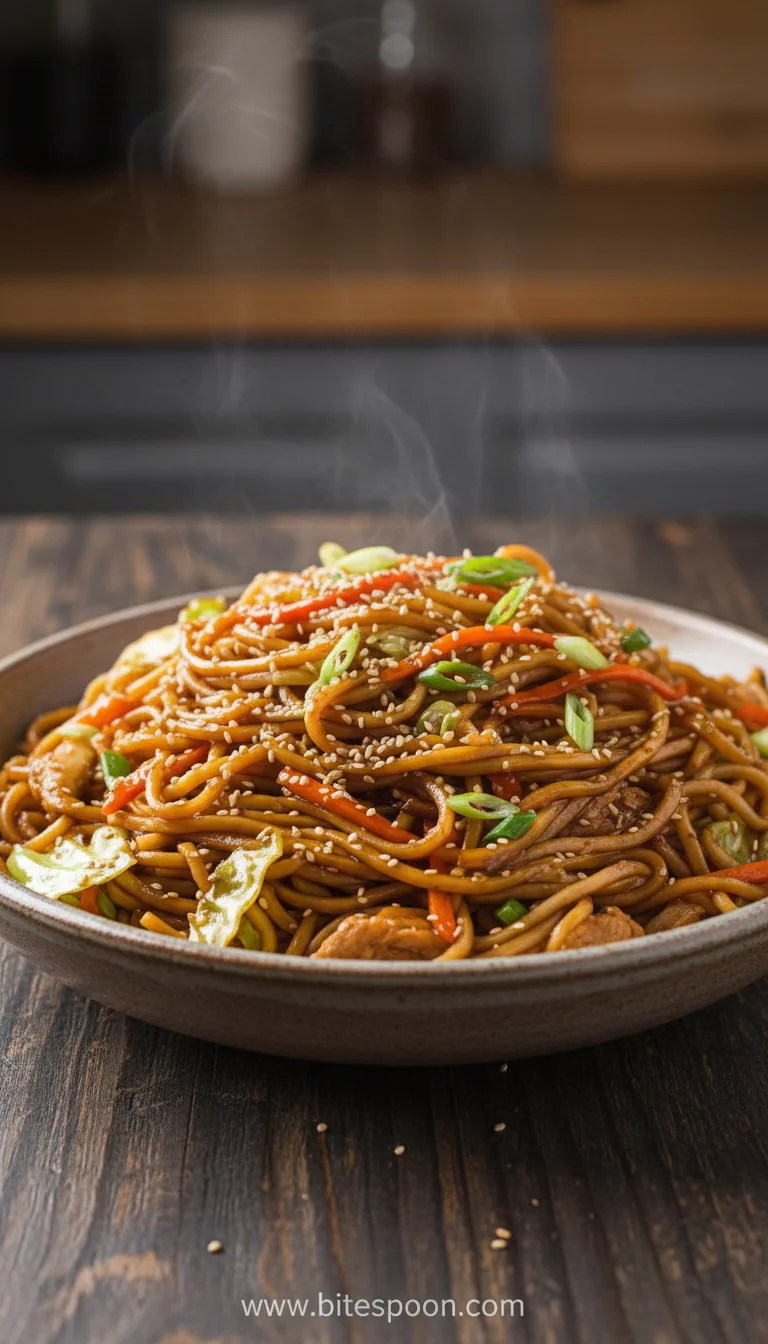
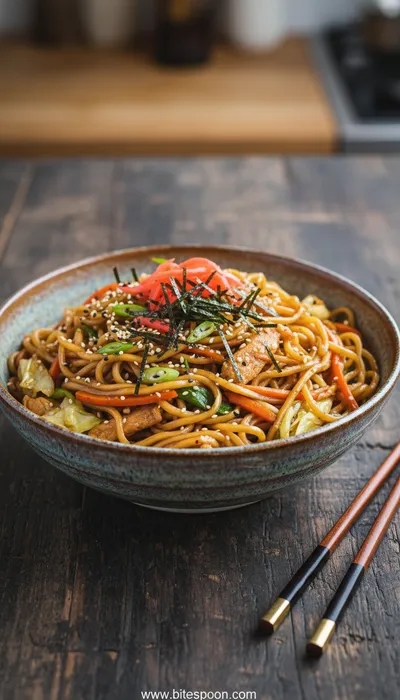
Yakisoba, meaning 'fried noodles,' is a beloved Japanese street food that gained popularity after World War II. It was a quick, affordable meal that could be cooked on teppanyaki griddles, often served at festivals and markets. The savory-sweet sauce, a blend of Worcestershire-style sauce and soy, creates a unique umami flavor that is distinctly Japanese. This dish represents a beautiful fusion of practicality and flavor, a staple of everyday life in Japan that has found its way into homes and hearts worldwide.
Why You'll Love It
-
Incredibly quick to make for a busy weeknight.
-
The savory-sweet sauce is irresistibly moreish.
-
You can use almost any vegetables you have on hand.
-
It's a complete, satisfying meal in one pan.
"This recipe brought back memories of my trip to Osaka. The flavors were absolutely spot on!"
Essential Ingredient Guide
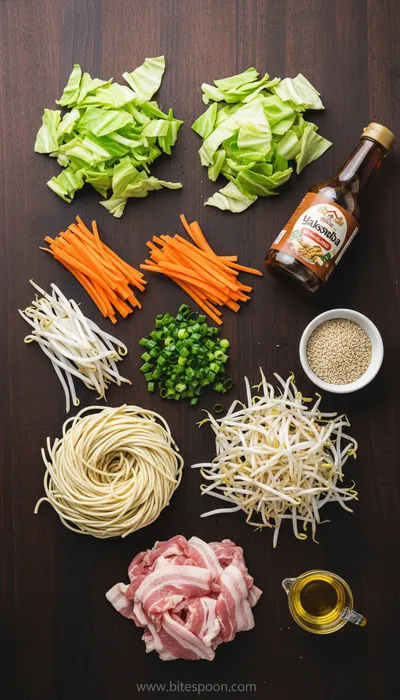
- Yakisoba Noodles: These are steamed, pre-cooked noodles you can find in the refrigerated or dried Asian food aisle. They have a springy texture that's perfect for stir-frying. If you can't find them, ramen noodles (without the seasoning packet) are a good substitute.
- Cabbage: It adds a wonderful crunch and sweetness as it softens slightly in the pan. Thinly slicing it is key. If you enjoy the versatility of this vegetable, you might also like exploring our stir-fried cabbage recipe.
- Carrots: They provide a lovely color and a bit of earthy sweetness. Julienning them ensures they cook quickly and evenly alongside the other ingredients.
- Yakisoba Sauce: This is the soul of the dish. You can buy it pre-made or easily whip up your own with soy sauce, Worcestershire, ketchup, and a touch of sugar. It creates that signature glossy, savory coating.
- Beef Sausage: I use beef sausage instead of the more traditional pork for this. It gives a nice, meaty bite. Slicing it on a diagonal makes the pieces more appealing.
- Beni shoga (Pickled Red Ginger): This is the classic garnish. It's not just for color; its sharp, tangy bite cuts through the richness of the dish beautifully.
Complete Cooking Process
-
Ingredient Readiness:
Everything needs to be prepped and within arm's reach. The stir-fry happens fast, and there's no time to stop and chop. Getting your vegetables sliced and your sauce mixed ahead of time is the secret to a smooth process.
-
Flavor Development:
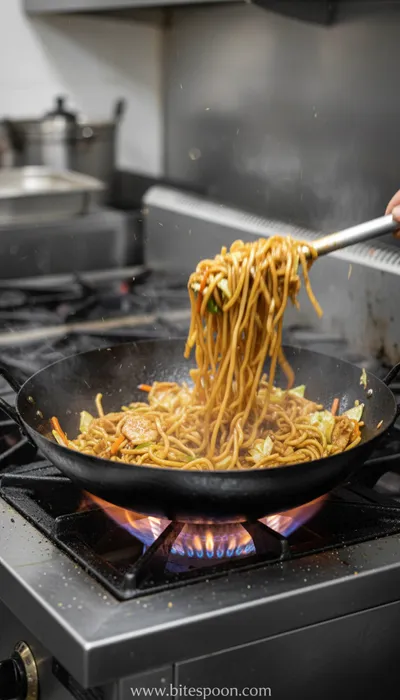
It all starts with a hot pan. You'll smell the aromatics bloom, then the vegetables will start to release their sweetness. The sauce hits the hot surface and caramelizes just a bit, clinging to every strand of noodle. It's one of my favorite global flavors to create at home.
-
Texture Control:
The goal is tender-crisp vegetables and noodles that are heated through but still have a bit of bounce. Overcooking makes everything mushy. It’s similar to the texture you aim for in a good stir-fry soup, where each component retains its identity.
-
Finishing Touches:
A sprinkle of the pickled ginger and some shredded nori right at the end. It adds that final pop of color and flavor that makes the dish look and taste authentic.
-
Serving Timing:
Yakisoba is best served immediately, straight from the wok, while it's still steaming hot and the noodles are perfectly slick with sauce.
-
Don't skip the step of rinsing the noodles to remove the coating oil and prevent clumping.
-
A well-seasoned wok or a large, heavy-bottomed skillet is your best friend here for even heat.
-
Resist the urge to stir constantly. Let the ingredients sit for a minute to get a bit of color.
-
Taste your sauce before adding it. You might want a bit more sweetness or tang.
Pro Tips
Honestly, the first time I made this, I was so worried I'd mess it up. But you know, it's really forgiving. The smells that fill your kitchen are just incredible. It's that warm, savory scent that makes everyone come running.
I sometimes think about how this dish is a cousin to other Japanese street foods, like the wonderfully versatile okonomiyaki. Both are about building flavor and texture in a single pan. It’s a way of cooking that feels so immediate and satisfying.

The essence of the dish:
Yakisoba is all about that perfect balance. It's savory, a little sweet, with a great mix of soft noodles and crunchy vegetables. It's hearty without being heavy, a true comfort food that feels energizing.
A fun fact or historical angle:
While it feels quintessentially Japanese, yakisoba's roots are actually in Chinese chow mein. It was adapted in Japan to suit local tastes and ingredients, becoming a staple of yatai (street food stalls) culture.
Flavor or sensory focus:
The first thing you'll notice is the incredible aroma—the umami from the sauce hitting the hot pan. Then, when you take a bite, it's that wonderful combination of textures and the savory-sweet sauce that keeps you going back for more.
You Must Know
-
A hot pan is non-negotiable for getting the right sear on the noodles and veggies.
-
Prep everything before you turn on the heat. The cooking is a quick, fluid motion.
-
The sauce is key. Adjust the ratios to find your perfect balance of salty, sweet, and tangy.
Frequently Asked Questions
→ Can I use different vegetables?
Absolutely. Bell peppers, onions, bean sprouts, mushrooms, or even some baby corn would all be lovely additions. Just make sure to cut them thinly so they cook quickly.
→ What can I use instead of yakisoba noodles?
Ramen noodles (discard the seasoning packet) or even udon noodles work well. You might need to adjust the cooking time slightly depending on the noodle type.
→ Is there a vegetarian version?
Yes, simply omit the beef sausage and add more vegetables or some firm tofu cubes for protein. The sauce is naturally vegetarian.
→ How do I make my own yakisoba sauce?
It's easy! Combine 3 tbsp soy sauce, 2 tbsp Worcestershire sauce, 1 tbsp ketchup or oyster sauce (vegetarian option available), 1 tbsp sugar or mirin, and a pinch of pepper. Mix well.
→ Can I make it ahead of time?
It's best fresh, but you can prep the vegetables and sauce ahead. Reheated yakisoba can be a bit soft, but it's still tasty.
→ What's the best pan to use?
A large wok is ideal because of its high sides and ability to distribute heat evenly. A large, heavy-bottomed skillet also works perfectly well.
Nutrition Facts
per serving
420
Calories
18g
Protein
55g
Carbs
14g
Fat
Taste Profile
A savory, slightly sweet, and deeply umami flavor profile that is incredibly satisfying.
Ingredient Substitutions
Don't have an ingredient? Try these alternatives
Cook chicken until no longer pink. For tofu, press it well and pan-fry until golden.
It won't be exactly the same, but it will provide the needed tang.
Recipe Variations
Try these delicious twists on the original
Seafood Yakisoba
Add shrimp and scallops along with the beef sausage for a surf-and-turf version.
Vegetable Lover's
Load it up with mushrooms, bell peppers, bean sprouts, and baby corn for a hearty vegetarian meal.
Common Mistakes to Avoid
Learn from others' mistakes for perfect results
- Adding too many ingredients at once, which steams them instead of frying.
- Not having the pan hot enough, leading to soggy noodles.
- Overcooking the vegetables until they lose all their crunch.
- Using a sauce that's too thick, which can make the dish gloppy.
Meal Prep & Storage
Make Ahead Tips
You can slice all the vegetables and mix the sauce up to a day in advance. Store them separately in the refrigerator. The actual stir-frying is best done just before serving.
Leftover Ideas
Leftover yakisoba can be reheated gently in a microwave or a skillet with a tiny splash of water to rehydrate the noodles. The texture will be softer than when freshly made.
Perfect Pairings
Serve this with...
Cooking Timeline
Prep all ingredients: slice vegetables, mix sauce.
Cook beef sausage until browned. Remove from pan.
Stir-fry onions, carrots, then cabbage until tender-crisp.
Add noodles to the center of the pan to heat through.
Add sauce and cooked sausage, toss everything together until coated and hot. Garnish and serve.
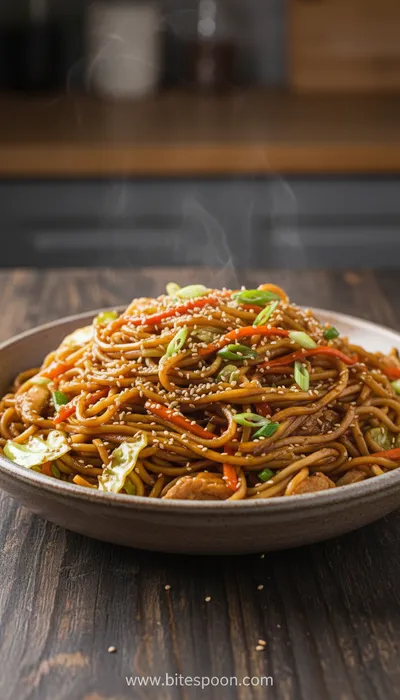
Yakisoba Recipe
Make delicious yakisoba at home with this easy recipe featuring stir-fried noodles and vegetables. Honestly, it's one of those meals that just feels like a warm hug after a long day.
Timing
Prep Time
15 Minutes
Cook Time
10 Minutes
Total Time
25 Minutes
Recipe Details
Ingredients
For the Noodles & Protein
-
01
2 packages (about 7 oz each) fresh yakisoba noodles
-
02
2 beef sausage links, sliced on a diagonal
-
03
1 tablespoon neutral oil (like vegetable or canola)
Vegetables
-
01
2 cups thinly sliced cabbage
-
02
1 large carrot, julienned
-
03
1/2 cup sliced onion
-
04
2 green onions, cut into 1-inch pieces
For the Yakisoba Sauce
-
01
3 tablespoons soy sauce
-
02
2 tablespoons Worcestershire sauce
-
03
1 tablespoon ketchup
-
04
1 tablespoon sugar
-
05
1 teaspoon grated fresh ginger
-
06
1 clove garlic, minced
For Garnish
-
01
Beni shoga (pickled red ginger)
-
02
Aonori (dried seaweed flakes)
-
03
Toasted sesame seeds (optional)
Instructions
First, get all your prep done. It makes everything so much smoother. Separate the yakisoba noodles by rinsing them briefly under warm water to remove the coating oil. Drain them well. Slice the beef sausage, cabbage, carrot, and onions. In a small bowl, whisk together all the ingredients for the yakisoba sauce until the sugar dissolves. Set everything aside near the stove.
Heat the oil in a large wok or skillet over medium-high heat until it shimmers. Add the sliced beef sausage and cook, stirring occasionally, until it's nicely browned and a bit crispy around the edges, about 2-3 minutes. Remove the sausage from the pan and set it aside on a plate.
In the same hot pan, add the onion and carrot. Stir-fry for about 2 minutes until they start to soften. Then, add the cabbage and the white parts of the green onions. Keep things moving in the pan for another 2-3 minutes until the cabbage has wilted slightly but still has some crunch.
Push the vegetables to the sides of the wok, creating a well in the center. Add the drained yakisoba noodles to the center. Let them sit for 30 seconds to heat through, then start tossing and breaking them up with your spatula.
Once the noodles are separated and hot, pour the prepared yakisoba sauce evenly over everything. Add the cooked beef sausage back into the pan. Toss and stir constantly for about 1-2 minutes, until every noodle and vegetable is coated in that glossy, delicious sauce and everything is piping hot.
Turn off the heat. Stir in the green parts of the green onions. Divide the yakisoba among serving plates. Garnish generously with the bright red beni shoga, a sprinkle of aonori, and some sesame seeds if you like. Serve immediately while it's wonderfully hot and sizzling.
Notes & Tips
-
1
If you can't find Worcestershire sauce, you can use more soy sauce with a tiny splash of lemon juice for tang.
-
2
Leftovers can be stored in an airtight container in the fridge for up to 2 days. Reheat gently in a microwave or a pan with a splash of water to loosen the sauce.
-
3
For a bit of heat, add a teaspoon of sriracha or a pinch of red pepper flakes to the sauce.

Tools You'll Need
-
Large wok or heavy-bottomed skillet
-
Sharp knife
-
Cutting board
-
Mixing bowls
-
Measuring spoons
-
Spatula or wok spatula
Must-Know Tips
-
Don't overcrowd the pan. Cook in batches if your pan is small to avoid steaming the ingredients.
-
Let the noodles get a little color in the pan before adding the sauce for extra flavor.
-
Taste as you go, especially with the sauce. You might want it sweeter or saltier to your liking.
Professional Secrets
-
High heat for searing. It's crucial for that 'wok hei' flavor and to prevent the noodles from getting soggy.
-
Room temperature ingredients. Cold veggies can lower the pan temperature too much.
-
A well-seasoned wok. It creates a natural non-stick surface and distributes heat perfectly.

Recipe by
Sofia RiveraExploring the world through food 🌍🍲 Rich flavors, exciting dishes, and endless culinary inspiration ✨
Get Delicious Recipes Weekly
Join 25,000+ home cooks getting our best recipes straight to their inbox.
Free forever • No spam • Unsubscribe anytime